Seeing the Renaissance Through the Torlonia Marbles
What do sculptures from Ancient Rome have to do with the Renaissance?
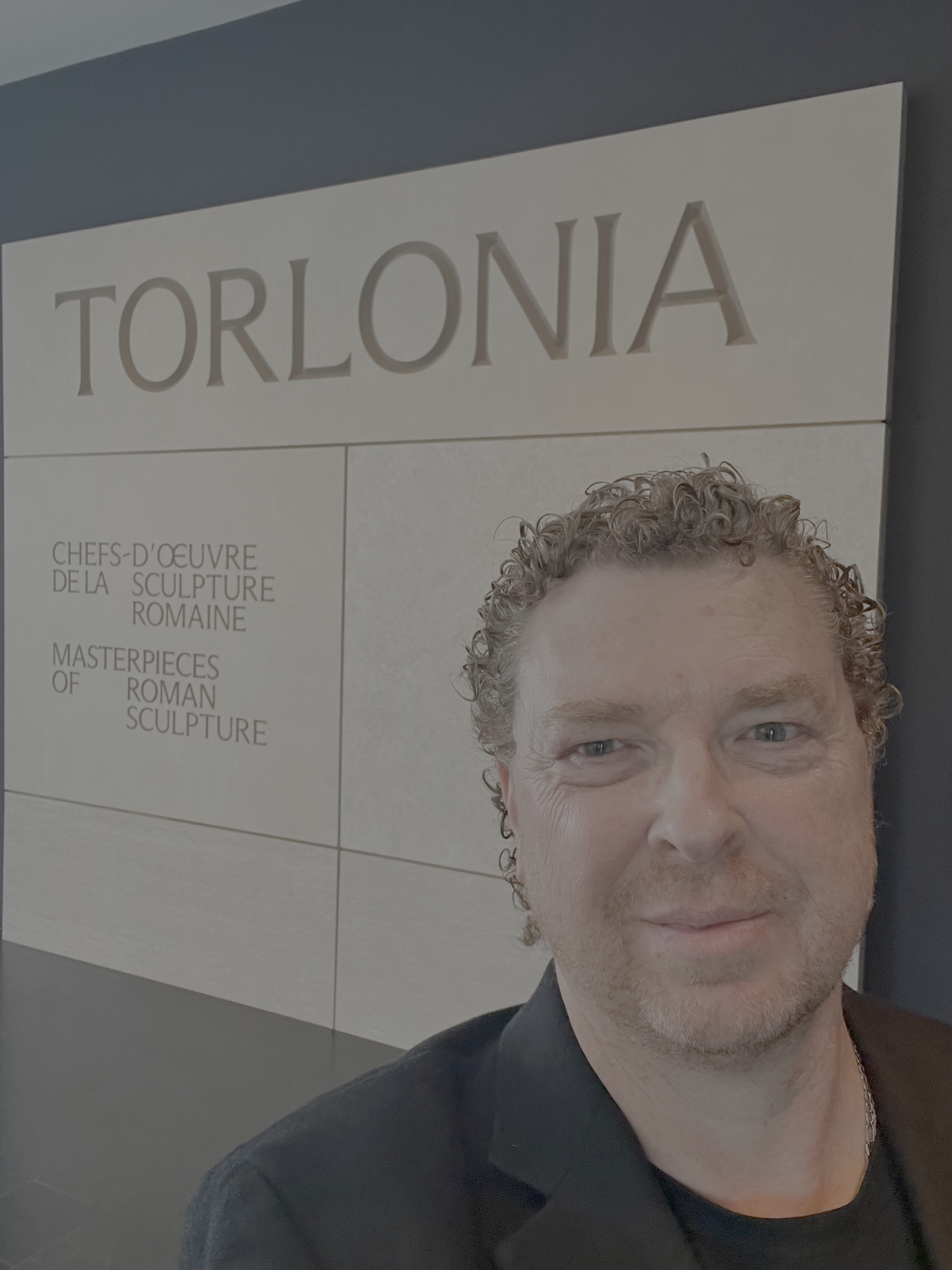
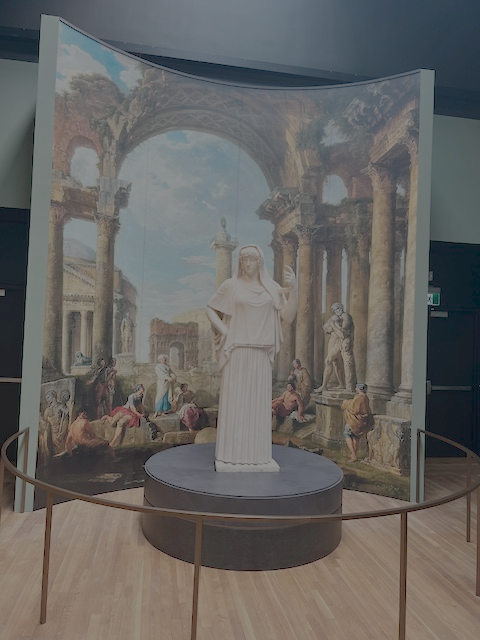
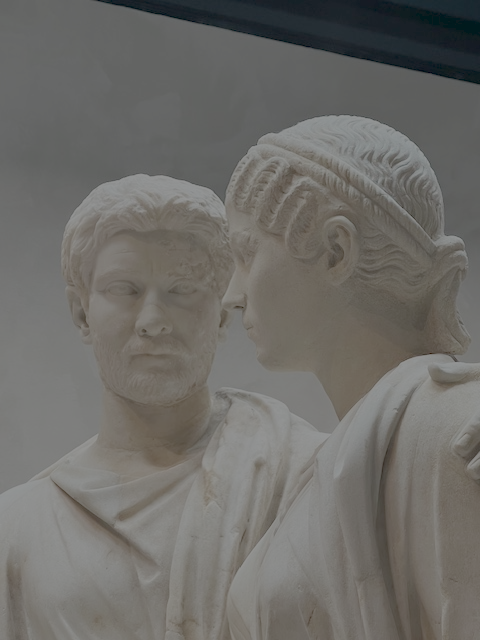
When I first entered The Torlonia Collection: Masterpieces of Roman Sculpture exhibition at the Montreal Museum of Fine Arts, I found myself wondering just how strong the connection to the Renaissance could really be. The galleries are filled with marble faces and bodies that belong to another world, carefully displayed in settings that evoke their original context - imperial Rome, mythological time, an age that feels complete in itself. And yet, the longer I spent with these sculptures, the harder it became to keep them confined to antiquity. They began to feel strangely familiar.
That familiarity became the point of entry for my experience of the exhibition.
The Torlonia Collection is considered one of the world's most important private collections of Roman sculpture, assembled over generations by the Torlonia family in Rome. Many of its masterpieces had remained largely inaccessible to the public for decades. Their international tour offers a rare opportunity to experience the very artistic tradition that helped shape the imagination of Renaissance Italy.
To see these works only as Roman is to miss their second life - the life they acquired in the fifteenth century, when artists, patrons, and scholars in Italy turned to objects like these not as relics, but as sources of inspiration and, in many ways, blueprints for a new artistic language. What you encounter in the Torlonia marbles is not just ancient art. It is the visual language that Renaissance artists worked to recover, understand, and ultimately seek to equal - and even surpass.
In that sense, walking through the exhibition became something else entirely: it became a way of seeing the Renaissance before it happened.
Learning to See the Body Again
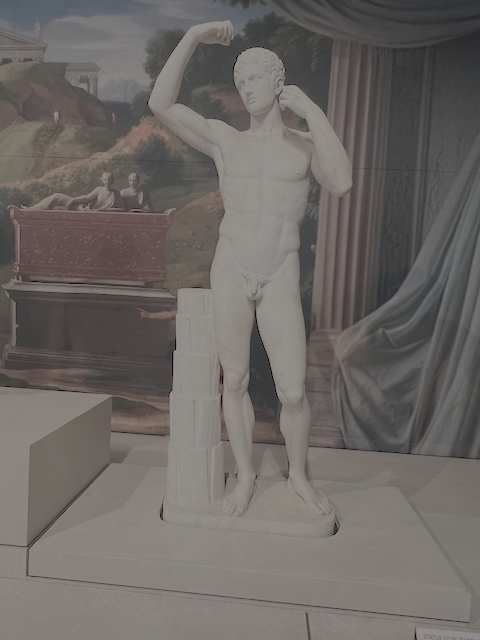
One of the first things that struck me in the exhibition was the clarity of the human form. Each work is described with accompanying diagrams identifying which elements are ancient and which are later restorations. This allows the viewer to imagine the sculptures in the fragmentary state in which many Renaissance artists first encountered them - a torso without arms, a head separated from its body, or a figure missing entire limbs.
The sculptures assert a confidence in anatomy. Muscles are not merely indicated; they are understood. Weight is not symbolic; it is convincingly carried.
This was not a given in the centuries before the Renaissance. Medieval art often privileged meaning over observation, hierarchy over proportion. The body could be expressive, even powerful, but it was rarely studied in the same systematic way.
Standing before a Roman figure in contrapposto - the subtle shift of weight that sets the hips and shoulders in opposition - you begin to see what Renaissance artists saw: a solution to the problem of making the body feel alive.
Michelangelo did not invent this.
He inherited it.
And yet, inheritance is not passivity. When you later encounter Michelangelo's David in Florence, what feels so astonishing is not simply its realism, but its intensity - as if the lessons of antiquity have been absorbed and pushed to their limits.
The Torlonia sculptures allow you to trace that lineage backward. They show you the grammar before the poetry. And, to borrow the central metaphor of this website, they allow you to study the blueprint before standing in awe of the completed building.
Faces of Power and Memory
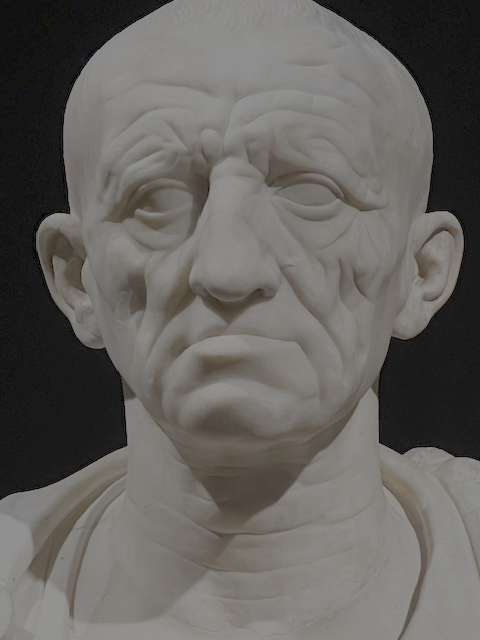
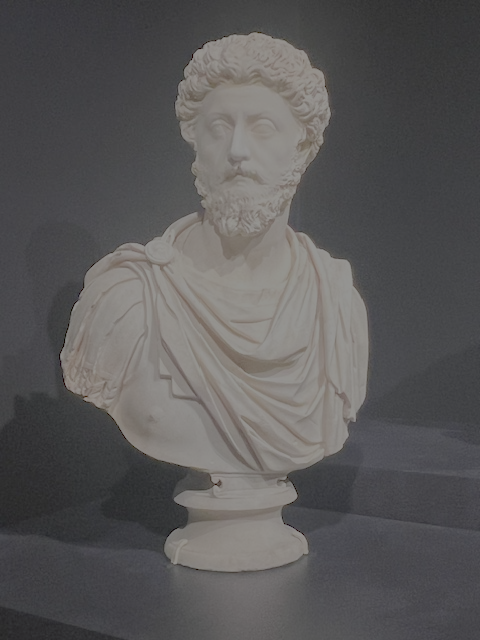
The exhibition is also populated by portraits - emperors, citizens, anonymous figures whose identities have long since faded. What remains is a striking attention to individuality. Some faces are idealized, others unflinchingly direct. Age, authority, introspection - they are all present in stone.
For Renaissance viewers, these were not just portraits. They were encounters with history. Ancient Rome offered a vision of civic life, political power, and personal legacy that felt both distant and urgently relevant.
This influence quietly reshaped Renaissance portraiture. When you look at a painting by Raphael or a sculpted bust from the fifteenth century, you can sense the ambition to capture not just appearance, but presence - to situate the individual within a broader cultural and historical continuum.
The Torlonia portraits remind us that this ambition has deep roots.
Myth Reawakened
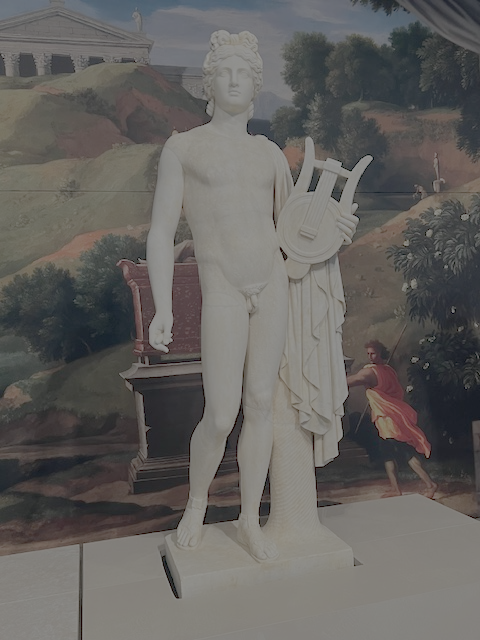
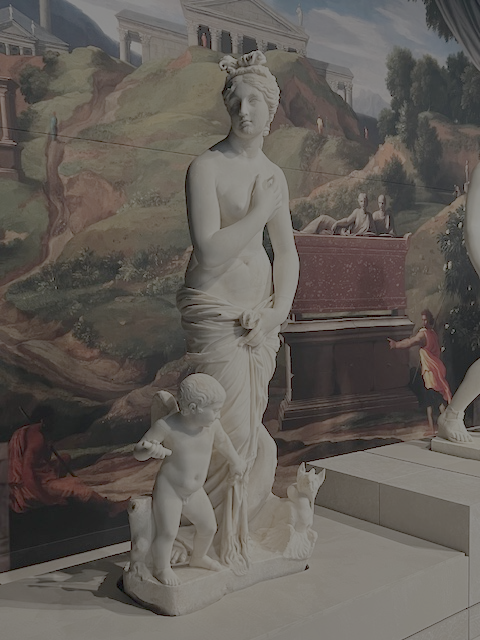
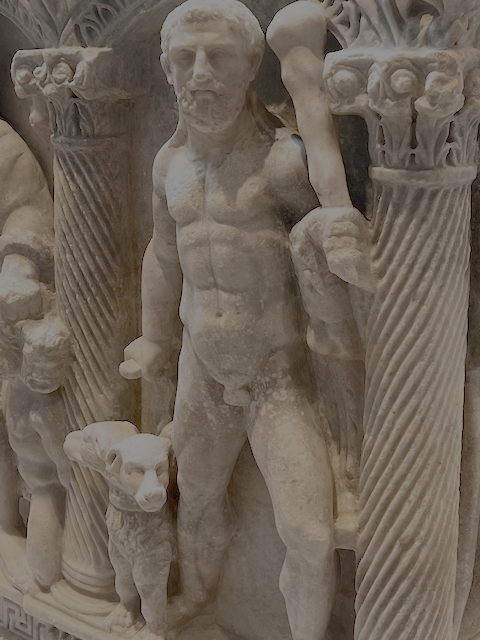
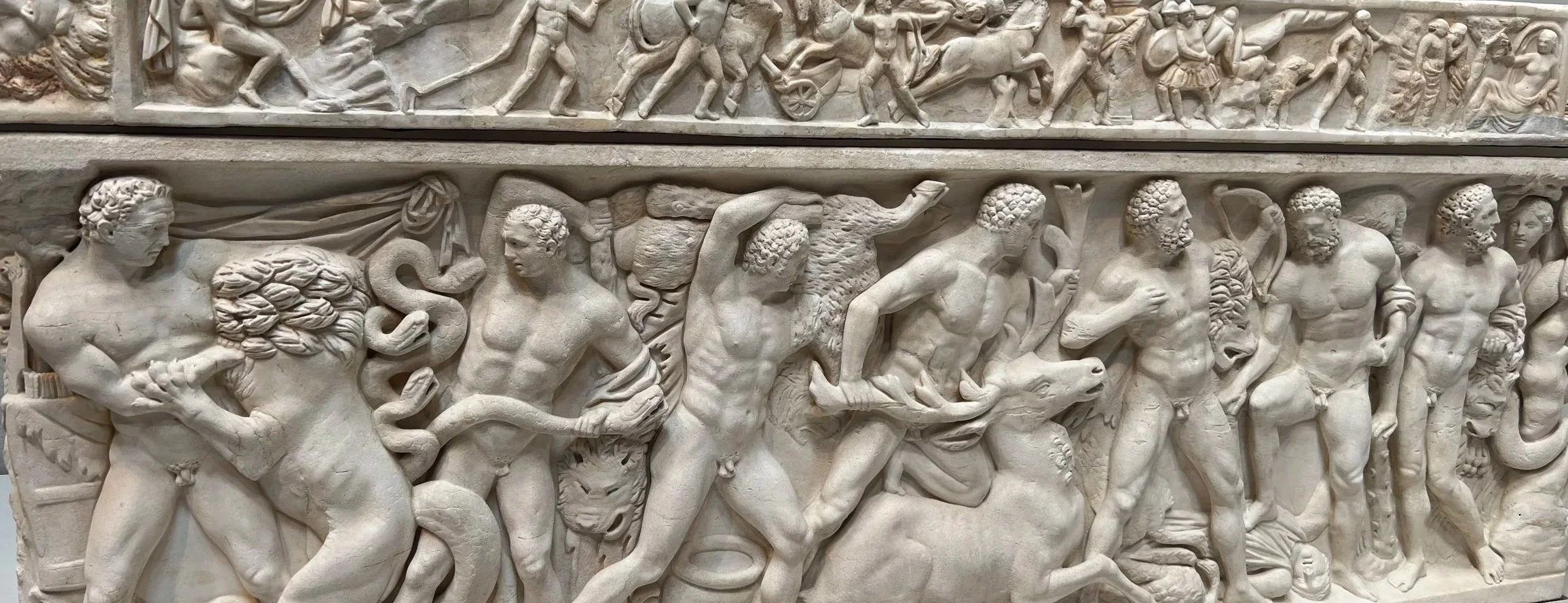
Gods and heroes move through the exhibition as well - Venus, Apollo, figures drawn from a shared mythological vocabulary. For the Romans, these stories were inherited from the Greeks, adapted, and integrated into daily life.
For the Renaissance, they represented something more radical: a return to a pre-Christian narrative world that could coexist with, and even enrich, contemporary thought.
When Botticelli painted The Birth of Venus, he was not inventing the figure from nothing. He was drawing on a tradition that sculptures like those in the Torlonia collection helped preserve. The body, the pose, the very idea of Venus emerging into view - all of it has precedent.
What changes is the context. Myth becomes a vehicle for new ideas about beauty, nature, and human potential.
Collecting the Past, Shaping the Future
The Torlonia collection itself tells a story that aligns closely with the Renaissance mindset. These works were gathered, preserved, and displayed as part of a deliberate act of cultural positioning. To own antiquity was to claim a connection to its authority.
This impulse has clear parallels in the fifteenth and sixteenth centuries. The Medici in Florence and the papal court in Rome both invested heavily in collecting ancient sculpture. These collections were not private indulgences; they were statements about knowledge, taste, and power.
To walk through the exhibition, then, is also to glimpse the origins of the museum itself: the idea that art can be assembled, curated, and interpreted as a way of understanding both the past and the present.
Seeing Like a Renaissance Artist
Perhaps the most rewarding way to experience the Torlonia exhibition is to adopt the mindset of a Renaissance artist encountering these works for the first time.
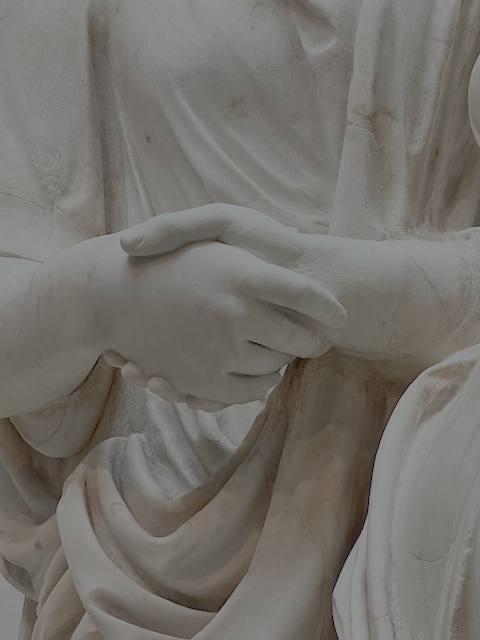
Look for the shift of weight in a standing figure. Notice how drapery reveals, rather than conceals, the body beneath. Pay attention to how a face is structured. Look at the relationship between ideal form and individual detail.
And, just as importantly, notice what is missing. What would you reconstruct? What would you leave unresolved?
This is not an academic exercise. It is a way of engaging directly with the process that defined the spirit of the Renaissance: observation, analysis, and transformation.
A Beginning, Not an Ending
It is tempting to see the Renaissance as a clear break - a moment when art suddenly becomes modern. History books often encourage us to divide the past neatly into distinct eras. Art, however, rarely evolves that way. It is a continuous conversation across generations.
The Torlonia sculptures reinforce this idea. They remind us that the Renaissance is, in many ways, an act of looking backward. But it is not a passive return. It is a creative dialogue with the past - one that reshaped the future of Western art.
Sculptures were ubiquitous in ancient Rome. The marbles in this exhibition once stood in villas, baths, temples, and public spaces. They were not reserved solely for emperors or the elite. Ordinary Romans would have encountered sculptures like these throughout their daily lives.
Centuries later, they re-emerged to inspire a different world - one that sought not only to recover antiquity, but to measure itself against it.
Standing among them today, you occupy a similar position. You are not just observing the past. You are witnessing a conversation across two millennia - one that begins with these sculptures, passes through the Renaissance, and continues every time we choose to look beyond the marble and ask why it still speaks to us today.