
Patrons and Historical Figures
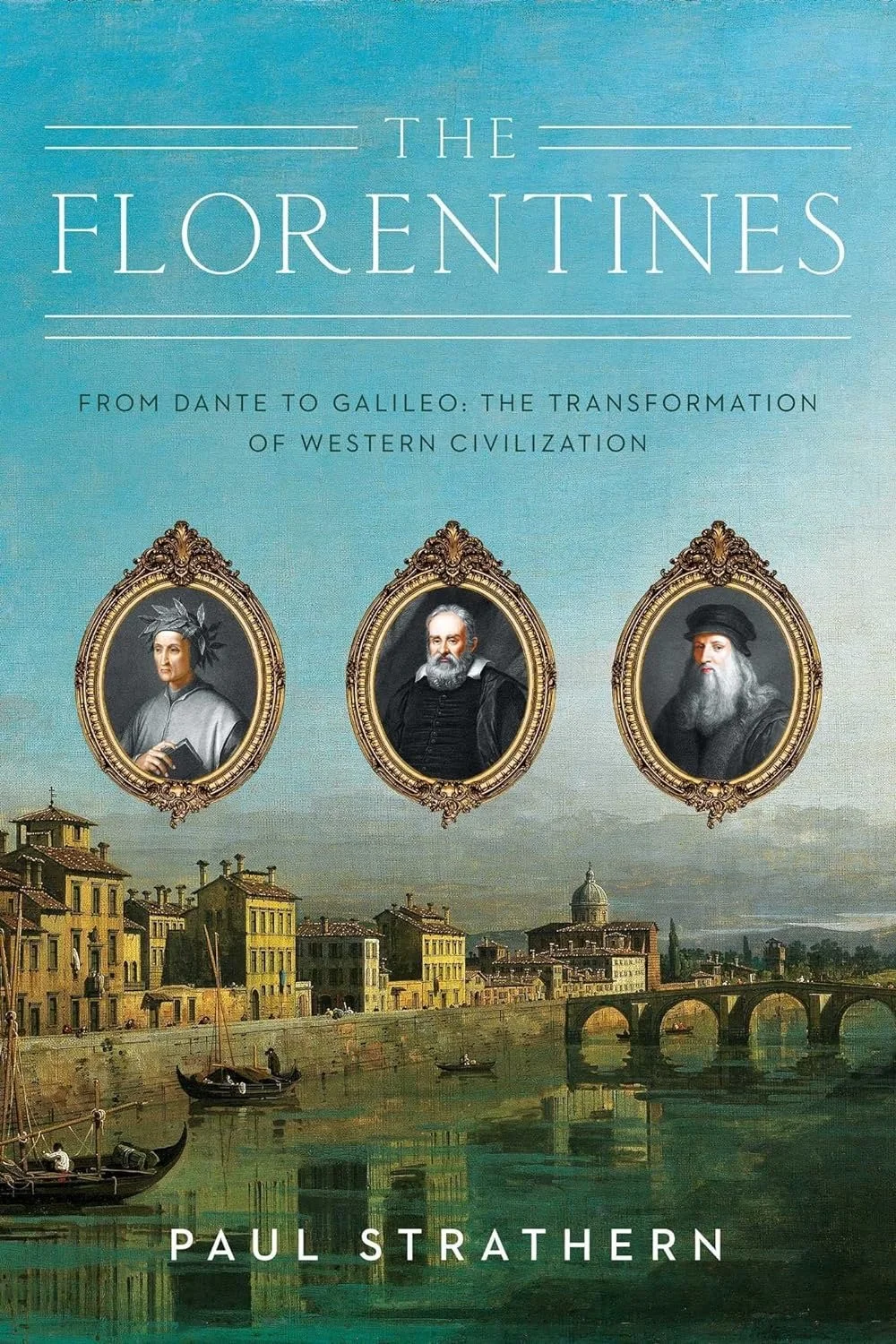
Paul Strathern’s The Florentines: From Dante to Galileo, the Transformation of Western Civilization explores the pivotal role Florence played in shaping the intellectual and cultural foundations of the Renaissance. The book traces the lives and contributions of key figures such as Dante Alighieri, Machiavelli, Leonardo da Vinci, and Galileo Galilei, illustrating how their ideas and innovations influenced the trajectory of Western thought. Strathern highlights Florence as a crucible of artistic, political, and scientific change that propelled the transition from medieval to modern times, emphasizing the city’s enduring impact on philosophy, art, and science. This is a really great book to begin drafting your blueprint of exploration by learning about some of the key figures of the Renaissance. (Pegasus Books, 2021)
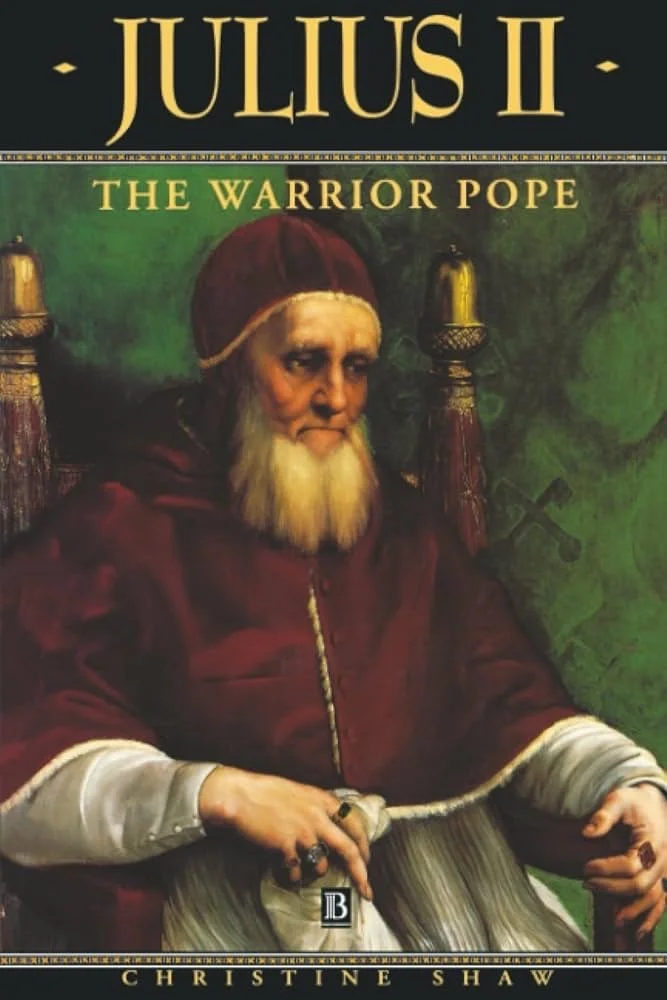
Christine Shaw’s Julius II — The Warrior Pope offers a concise, authoritative portrait of one of the Renaissance’s most polarizing pontiffs. Shaw traces Julius II’s rise from the powerful della Rovere family to his assertive papacy (1503–1513), emphasising his military campaigns, political manoeuvres, and patronage of the arts that helped shape Rome’s transformation into a cultural capital. The narrative balances vivid accounts of battlefield and diplomatic strategy with analysis of Julius’s commissions — including the early projects that led to Michelangelo’s Sistine Chapel ceiling — and assesses the pope’s lasting impact on the papacy and Italian politics.
Christine Shaw is a scholar of Renaissance history with a focus on papal politics and cultural patronage; her expertise combines archival research and accessible synthesis, making this book a clear, well-documented introduction for students and general readers interested in the intersection of power, war, and art in early 16th-century Italy. (Wiley-Blackwell, 1997)
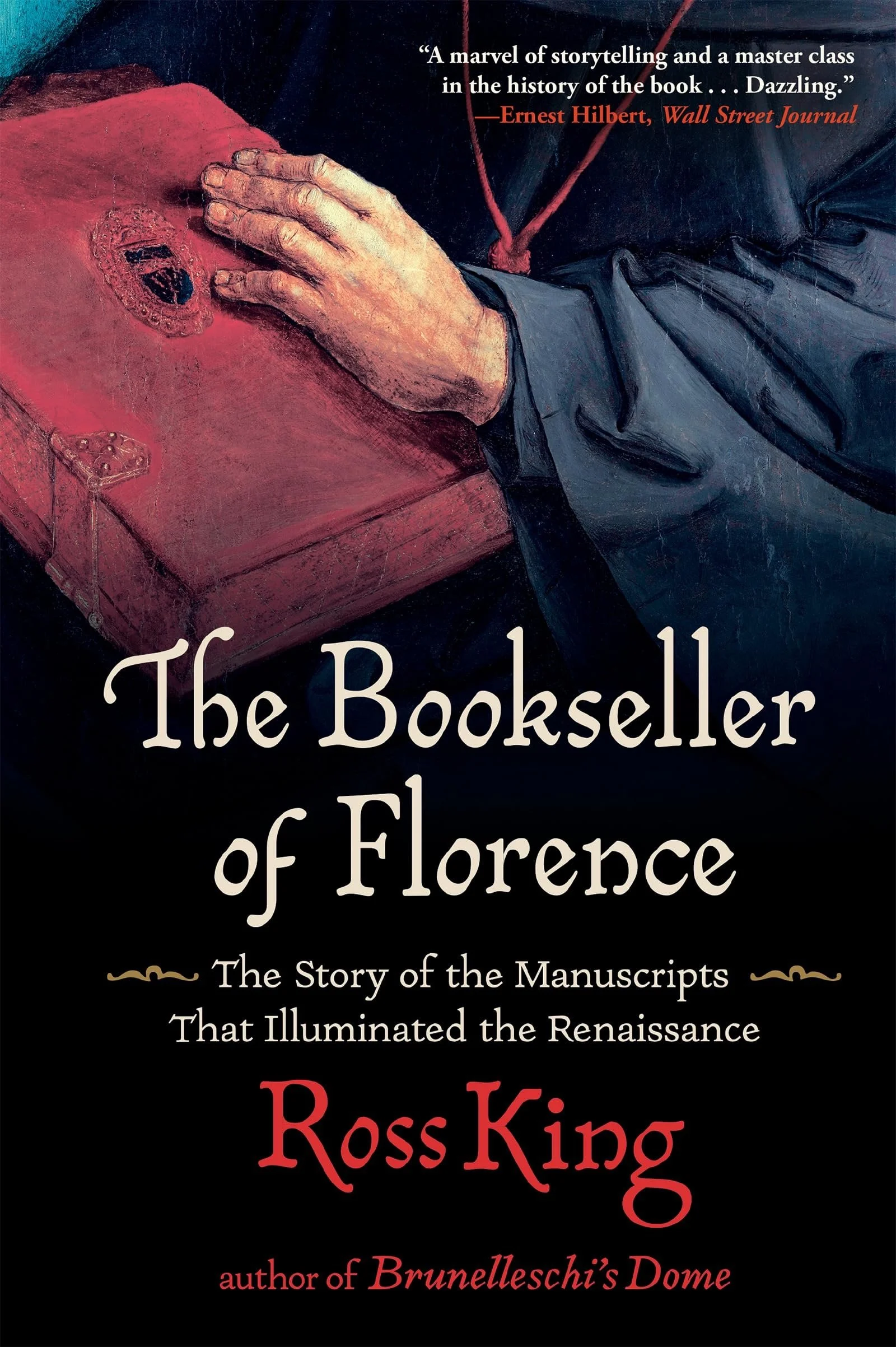
Ross King's The Bookseller of Florence delves into the captivating story of Vespasiano da Bisticci, a 15th-century bookseller and humanist whose breathtaking collection of illuminated manuscripts played a significant and lasting role in shaping the Renaissance. Through meticulous curation and patronage, Vespasiano connected the intellectual prodigies of his time, preserving classical knowledge and sparking a cultural revival. King's narrative intertwines art, history, and biography to illuminate how these treasured manuscripts contributed to the intellectual flourishing of Florence and the broader Renaissance movement. (Bond Street Books, 2021)
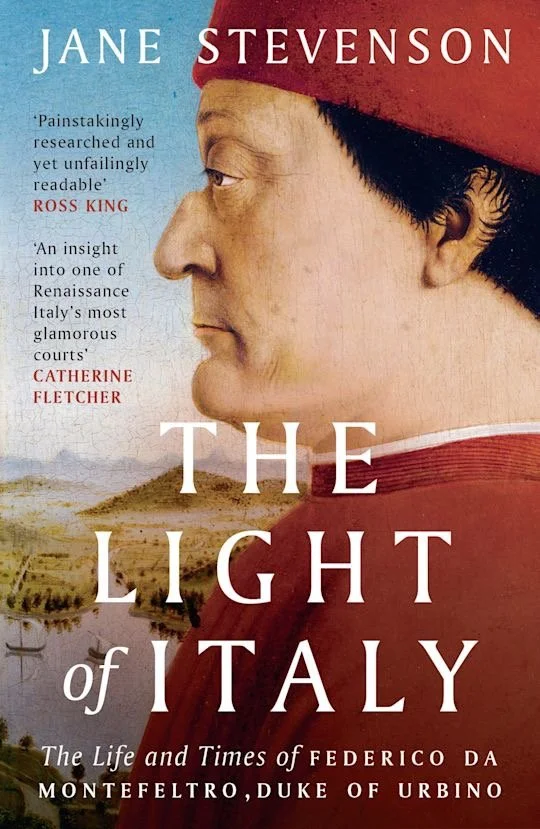
Jane Stevenson’s The Light of Italy — The Life and Times of Federico da Montefeltro, Duke of Urbino is a concise, scholarly biography that situates Federico (1422–1482) at the crossroads of politics, humanism, and artistic patronage in fifteenth‑century Italy. Stevenson, a professor of Early Modern History with extensive publications on Renaissance Italy and the courts of Europe, draws on archival sources and material culture to show how Federico’s tastes and policies shaped the visual and built environment of Urbino and influenced broader artistic developments.
Stevenson presents Federico not merely as a military and political figure but as a formative cultural entrepreneur whose aesthetic decisions left tangible legacies in objects and buildings. Her analysis balances art‑historical detail with political and intellectual context, making a persuasive case that Urbino under Federico functioned as a laboratory of Renaissance artistic and architectural practice.
She describes Urbino today as follows: “It remains a place of pilgrimage for people who are moved by the Italian Renaissance, and find there a sense of connection to the past that can hardly be equalled by any other city in Europe.” (Head of Zeus, 2022)
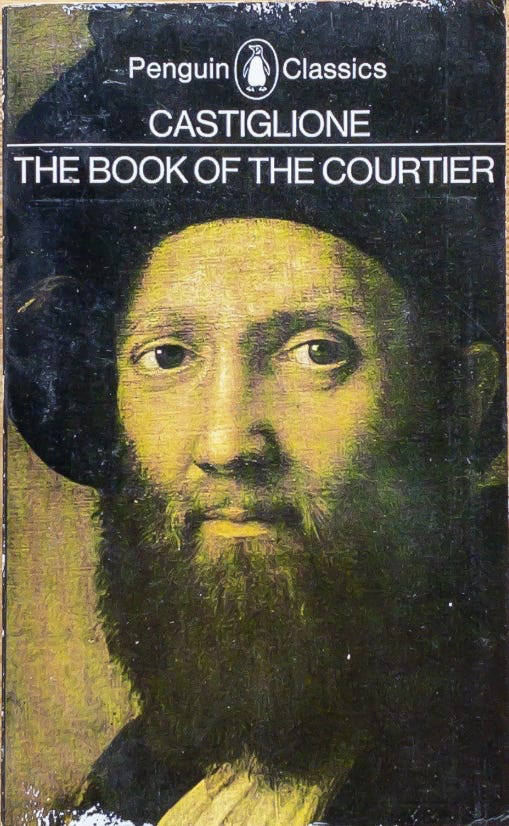
One of the most influential books of the Renaissance is The Book of the Courtier (Il Cortegiano), written by the Italian diplomat, soldier, and writer Baldassare Castiglione (1478-1529). First published in 1528, the book grew out of Castiglione’s experiences at the sophisticated court of Urbino, one of the great cultural centres of Renaissance Italy.
Rather than presenting a formal treatise, Castiglione structured the work as a series of conversations among courtiers, nobles, and intellectuals. Together, they explore a fascinating question: what qualities define the ideal courtier? The answer extends far beyond skill in politics or warfare. The perfect Renaissance courtier was expected to be educated, eloquent, athletic, artistic, morally upright, and capable of moving comfortably between the worlds of action and ideas.
Perhaps the book’s most enduring contribution is Castiglione’s concept of sprezzatura—the art of making difficult accomplishments appear effortless. This ideal of cultivated grace became one of the defining characteristics of Renaissance culture.
Reading The Book of the Courtier today offers more than a glimpse into life at an Italian court. It provides a window into the Renaissance vision of human potential: the belief that individuals could develop themselves through learning, discipline, and exposure to the arts. In many ways, it serves as a literary blueprint for the Renaissance ideal of the well-rounded individual. (Penguin Classics, 1967)
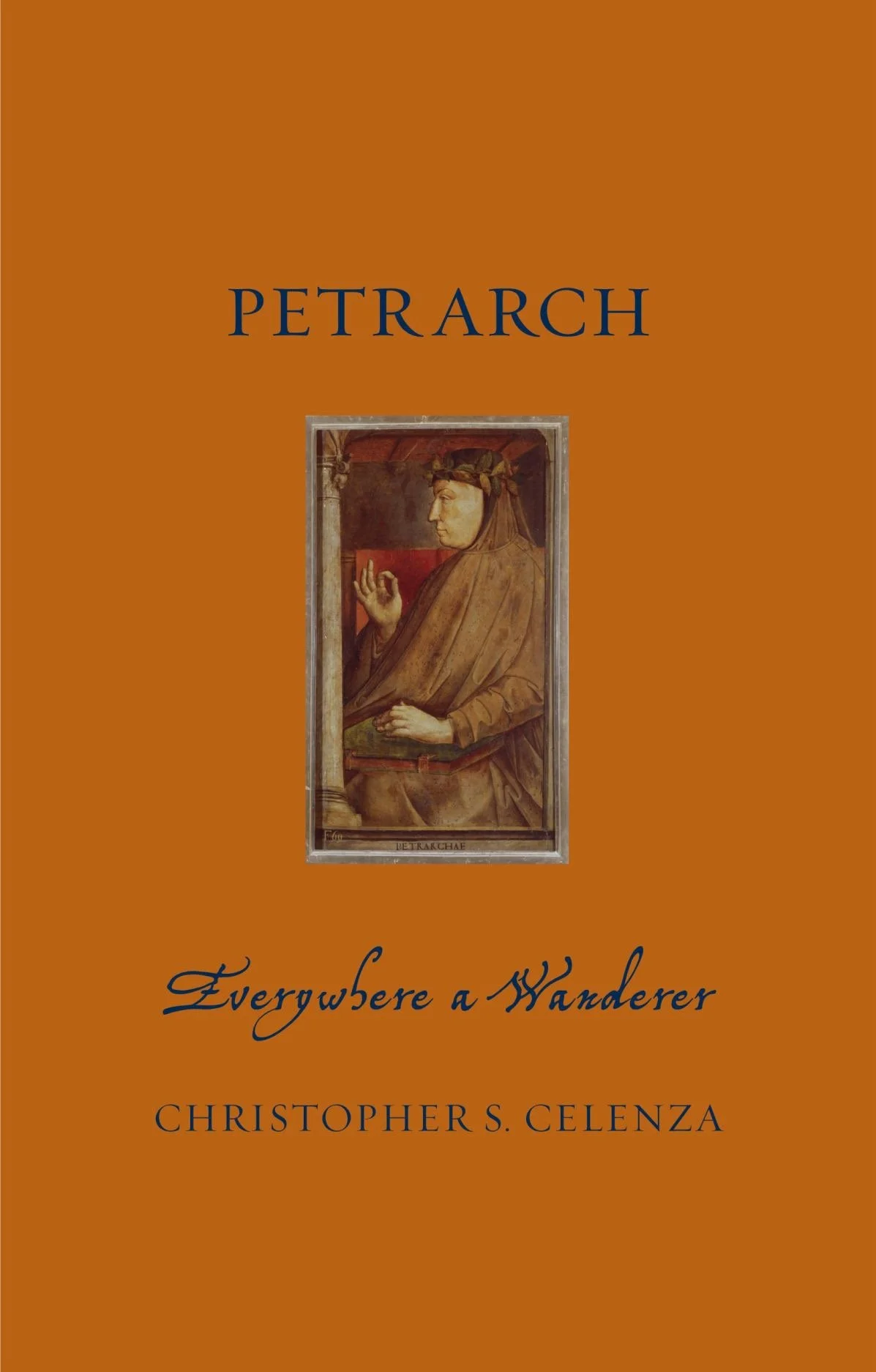
Christopher Celenza’s Petrarch: Everywhere a Wanderer offers an accessible introduction to Francesco Petrarch (1304–1374), the Italian poet and scholar often described as the “Father of the Renaissance.” The book explores why Petrarch deserves this title. Celenza shows how his fascination with ancient Rome and his search for forgotten classical texts helped create a new relationship with antiquity. But Petrarch’s importance went further: through his poetry, letters and works such as Secretum, he placed self-examination, individual experience and the pursuit of wisdom at the centre of his intellectual life.
Celenza also explores Petrarch’s tensions between faith, ambition and the desire for lasting fame - revealing a remarkably complex and human figure. Petrarch did not create the Renaissance on his own, but the book highlights how he helped lay some of its intellectual foundations, influencing the humanist thinkers who followed and contributing to the cultural environment from which the Renaissance emerged. For anyone wanting to understand the forces behind the Renaissance, not just its art, this is an excellent place to start.
Celenza is a professor of Italian and a leading scholar of Renaissance humanism. (Reaktion Books, 2017)