
The Medici Family
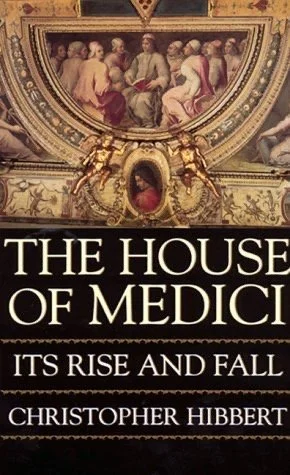
Christopher Hibbert's The House of Medici: Its Rise and Fall chronicles the remarkable history of the Medici family, whose influence shaped Renaissance Italy and beyond. Beginning as modest bankers in Florence, the Medicis rose to immense power through shrewd financial acumen, strategic marriages, and patronage of the arts. The book details their political maneuvering, including their role as de facto rulers of Florence, and their cultural impact through support of figures like Michelangelo and Leonardo da Vinci. Hibbert also explores the challenges and scandals that eventually led to the family's decline, providing a comprehensive narrative of their transformation from wealthy merchants to dukes and popes, and ultimately, their fall from prominence. One cannot visit Florence without considering the significant impact of this complex family. (Harper-Collins, 1974)
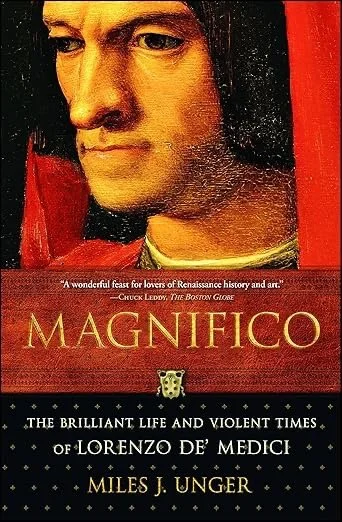
Miles J. Unger's Magnifico: The Brilliant Life and Violent Times of Lorenzo de' Medici offers a detailed and vivid portrait of one of the Renaissance's most influential figures. The book explores Lorenzo de' Medici's rise to power in Florence, highlighting his roles as a shrewd politician, patron of the arts, and central figure in Italian politics during a period of intense conflict and cultural flourishing. Unger delves into Lorenzo's ability to balance diplomacy and force, his contributions to the blossoming of Renaissance culture, and the challenges he faced from rival families and external threats. The biography provides a nuanced understanding of Lorenzo’s complexity, blending his brilliance with the often brutal realities of his era. As one of the most significant patron of the arts in Florence, any exploration of the city is bound to lead to a work of art or architectural structure that was either funded or initiated by this seminal figure of the Renaissance. (Simon & Schuster, 2008)
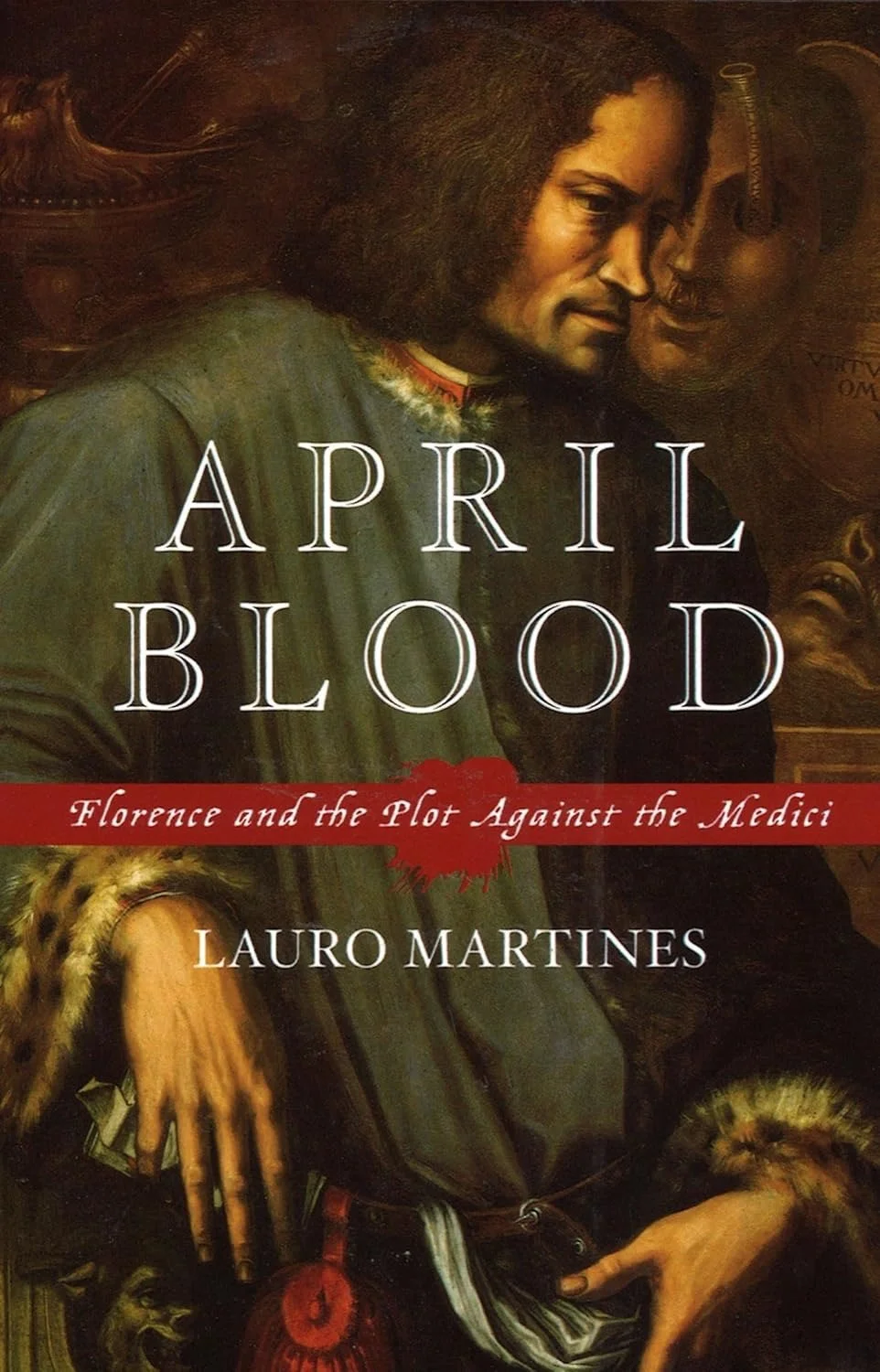
In April Blood: Florence and the Plot Against the Medici, Lauro Martines provides a detailed account of the 1478 conspiracy to assassinate Lorenzo de’ Medici and his brother Giuliano in Renaissance Florence. The book meticulously reconstructs the political, social, and cultural tensions that culminated in the infamous Pazzi Conspiracy. Martines explores the motivations of the various factions involved, the fragile balance of power within the Florentine Republic, and the broader implications for Italian politics and society. Through vivid narrative and rigorous scholarship, the work offers profound insights into the complexities of Medici rule and the volatile environment of 15th-century Florence. This is the type of book that makes one think - how would history have unfolded if the plot had been fully successful? (Oxford University Press, 2003)
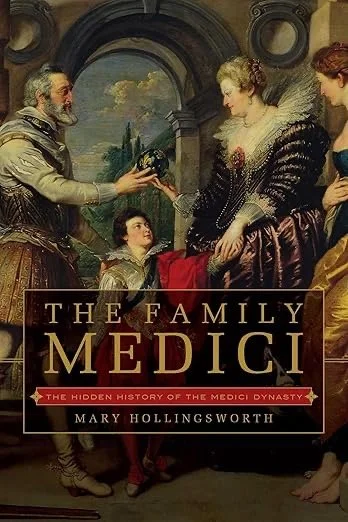
Mary Hollingsworth’s The Family Medici: The Hidden History of the Medici Dynasty offers a compelling reevaluation of one of Renaissance Italy’s most influential families. Through meticulous archival research, Hollingsworth reveals lesser-known aspects of the Medici’s rise to power, their political manoeuvres, and familial complexities. The book challenges longstanding myths, presenting a more nuanced portrait of the Medici as shrewd financiers and patrons of the arts, while also exposing the internal conflicts and rivalries that shaped their legacy. This work provides a fresh, detailed historical narrative that enriches understanding of the dynasty beyond its public image. (Pegasus Books, 2018)
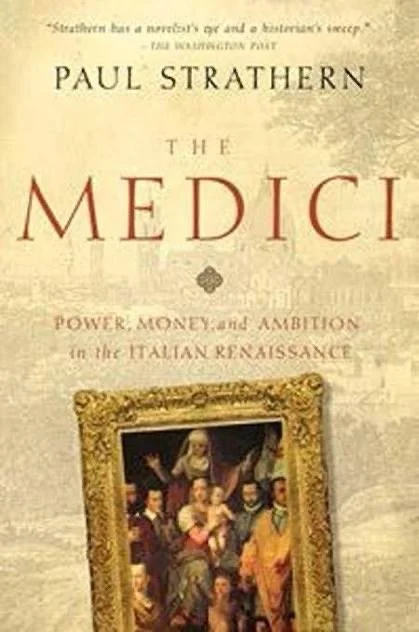
Paul Strathern’s The Medici — Power, Money and Ambition in the Italian Renaissance traces the rise, consolidation and eventual decline of the Medici family, showing how their mastery of banking, strategic marriages, ruthless politics and patronage of the arts transformed Florence into the financial and cultural engine of the Renaissance. The author’s main conclusion is that concentrated wealth and shrewd political manoeuvring—combined with deliberate support for artists, humanists and institutions—allowed a single banking dynasty to shape European politics, culture and religion, demonstrating how money and ambition can fuel both creative flourishing and moral compromise. Strathern is a British historian and author known for accessible narrative histories on science, philosophy and historical figures. (Pegasus Books, 2016)