
Dante
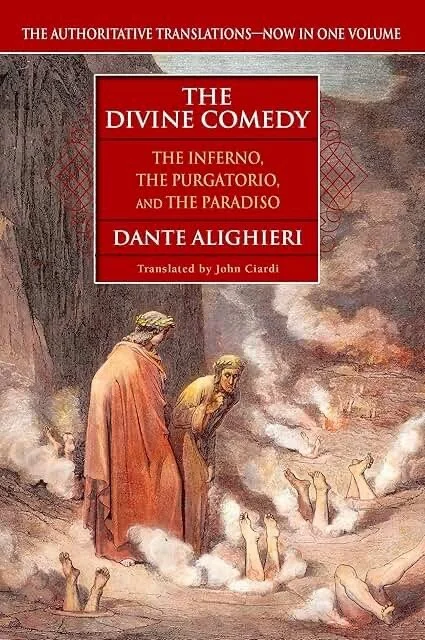
The Divine Comedy, written by Dante Alighieri in the early 14th century, is an epic poem that explores the soul’s journey towards God, divided into three parts: Inferno, Purgatorio, and Paradiso. It masterfully presents a vivid allegory of sin, redemption, and divine justice, blending medieval theology with classical philosophy and poetic innovation.
I particularly appreciate the version translated by John Ciardi for its ability to maintain the original’s poetic structure and vivid imagery while rendering the text accessible to modern English-speaking readers. His version preserves the terza rima rhyme scheme and conveys Dante’s intricate themes with clarity and emotional resonance, making it a significant contribution to English interpretations of this literary masterpiece. There are many translated versions of the poem, Ciardi’s is by far my favourite. (New American Library, 2003)
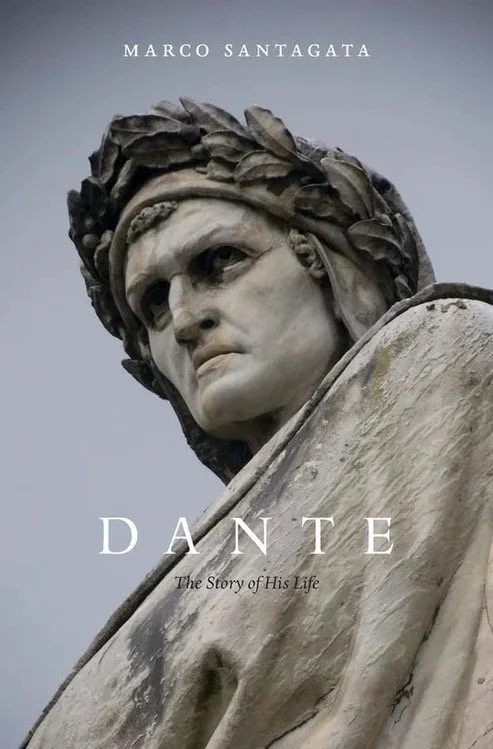
Marco Santagata’s Dante — The Story of His Life offers an engaging biography of Dante Alighieri that weaves together the poet’s political activity, personal relationships and literary development. Santagata traces Dante’s early years in Florence, his education and entry into public life, the pivotal exile after the political upheavals of 1302, and the creative flowering that produced the Divine Comedy. The book emphasises the interplay between Dante’s lived experiences — his love for Beatrice, friendships with contemporaries, legal and diplomatic duties, and the traumas of banishment — and the evolution of his poetic voice and intellectual project. Santagata also situates Dante within the literary and cultural currents of medieval Italy, showing how classical learning, scholastic thought and vernacular traditions shaped his work. The narrative is accessible yet scholarly, balancing biographical detail with literary analysis to explain how personal and political contexts inform Dante’s major themes: justice, exile, love and the quest for knowledge.
Marco Santagata was a distinguished Italian literary scholar and historian of medieval literature. He served as a professor of Italian literature at the University of Pisa and authored numerous influential studies on Dante and other medieval authors. His expertise rests on a prolific academic career combining close textual scholarship, archival research and clear public-facing writing, making him a respected authority on Dante studies. (Belknap Press, 2018)
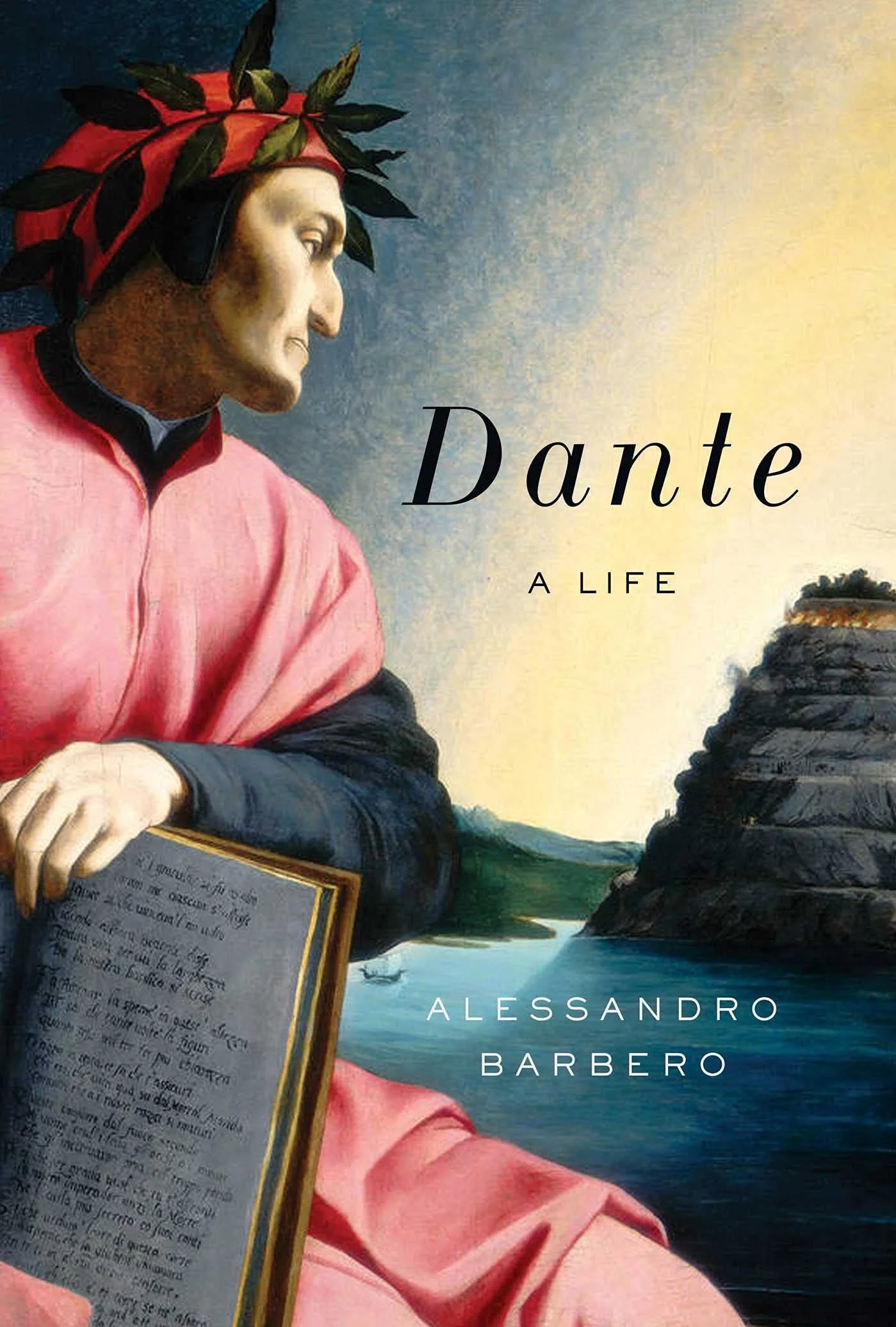
Alessandro Barbero's Dante - A Life provides a comprehensive and engaging biography of Dante Alighieri, the seminal Italian poet best known for The Divine Comedy. Barbero, a distinguished historian and professor specializing in medieval history, combines rigorous scholarship with accessible narrative to illuminate Dante's political struggles, literary achievements, and enduring influence on Western culture.
Drawing on a wealth of historical documents, the book situates Dante within the turbulent context of 13th- and 14th-century Florence, offering readers a nuanced portrait of the man behind the myth. Barbero’s expertise ensures a balanced and insightful exploration of Dante’s life, making it an essential read for both scholars and general audiences interested in medieval history and literature. (Pegasus Books, 2022)
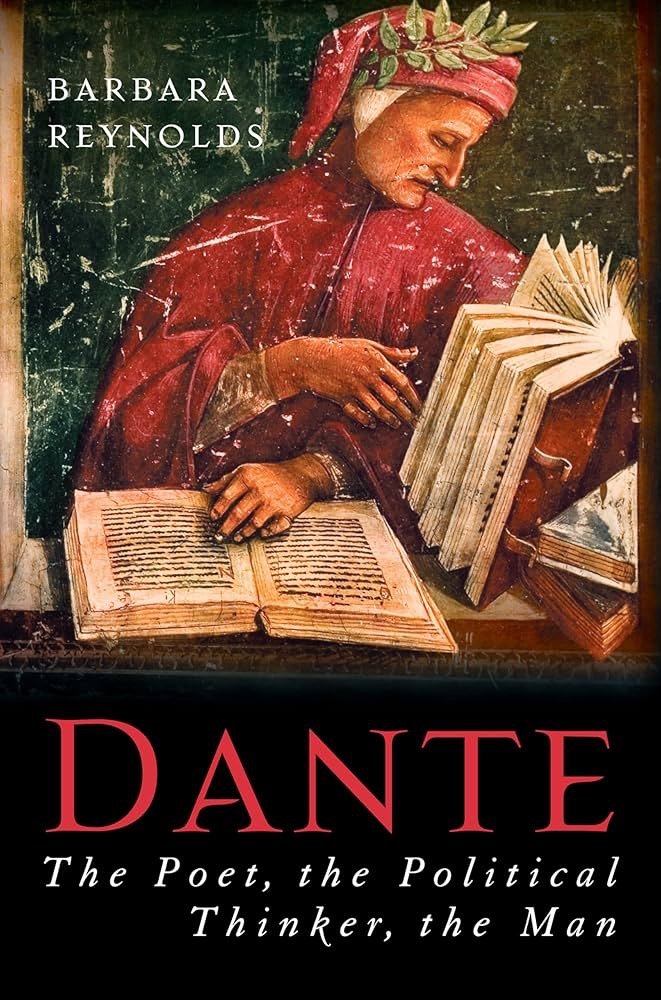
Barbara Reynolds’s Dante — The Poet, the Political Thinker, the Man argues that Dante Alighieri’s writings, especially the Divine Comedy, are inseparable syntheses of poetic artistry, political theory, and personal biography: Dante uses imaginative narrative and theological symbolism to develop a coherent political philosophy rooted in Florentine civic life, Roman republicanism, and medieval Christian order, while his exile and personal experiences shape the moral urgency and practical aims of his thought. Reynolds traces how Dante’s poetic form communicates complex arguments about justice, law, authority, and the common good, contending that to understand Dante fully one must read his poetry as deliberate political discourse as well as spiritual allegory and autobiographical testimony. Barbara Reynolds is a distinguished Dante scholar and translator, former professor of Italian literature with a long record of publications on Dante and medieval Italian culture. (Shoemaker & Hoard, 2007)
Prue Shaw’s Reading Dante: From Here to Eternity offers a comprehensive and accessible exploration of Dante Alighieri’s Divine Comedy. Shaw guides readers through Dante’s intricate poetry, contextualizing it within its historical, philosophical, and theological frameworks. The book unpacks Dante’s vivid depictions of Hell, Purgatory, and Paradise, highlighting their moral and spiritual significance while addressing the medieval worldview underpinning the work. Shaw’s analysis balances scholarly insight with clarity, making Dante’s complex allegories and symbolism approachable for both students and general readers. Through this volume, readers gain an enriched understanding of Dante’s enduring influence on literature and culture, as well as the timeless quest for meaning and salvation embedded in his epic journey. Understanding a poem comprised of 14,233 lines can seem like a daunting task. Shaw allows the reader to grasp some of the complexities of the work with a clear goal in mind: '“My aim is to fire you with the desire to pick up a copy and start reading now.” (p. xv). (Liveright, 2015)
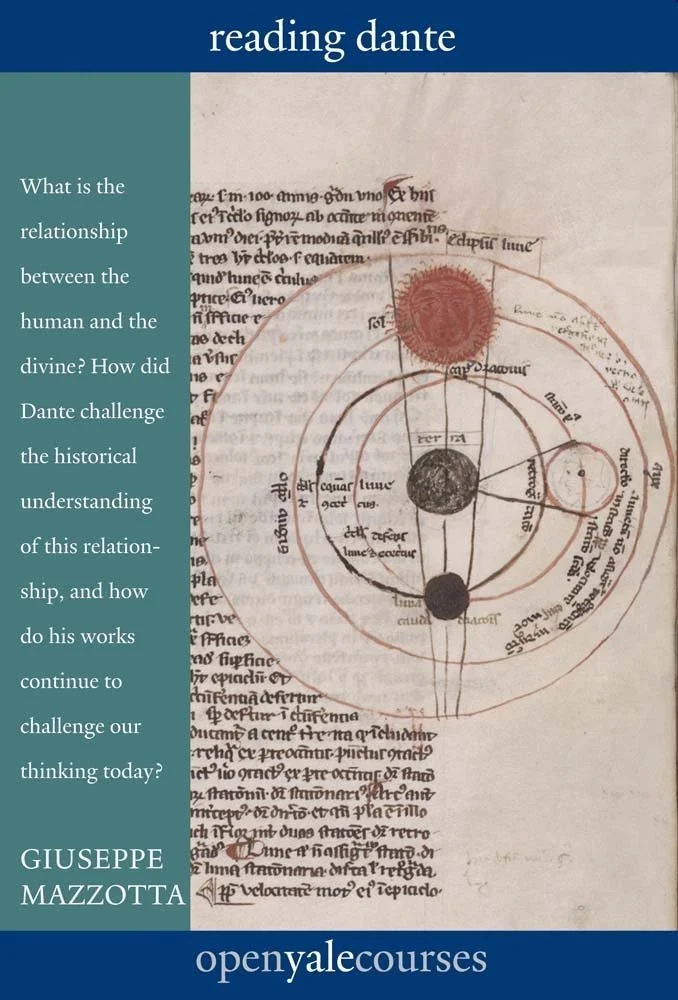
Giuseppe Mazzotta’s Reading Dante is a concise, lecture-based exploration of Dante Alighieri’s Poetry—primarily the Divine Comedy—presented as a series of classroom lectures that guide readers through Dante’s language, symbolism and philosophical horizons. Mazzotta emphasizes Dante’s craftsmanship in combining medieval scholastic thought with vernacular poetics, arguing that the Comedy functions as an ethical and cognitive journey in which poetic form, theological doctrine and political commentary interlock. He stresses Dante’s use of allegory and contrapasso to enact moral knowledge, the centrality of love and memory to historical consciousness, and the poem’s capacity to reconcile individual agency with a providential order. The book’s lecture format keeps chapters compact and pedagogical, blending close readings of key passages with broader discussions of Dante’s intellectual sources and interpretive problems, making it both an introduction for students and a provocation for seasoned readers. Giuseppe Mazzotta is a distinguished Dante scholar and professor of Italian literature, known for his work on Renaissance thought and literary humanism. (Yale University Press, 2014)