
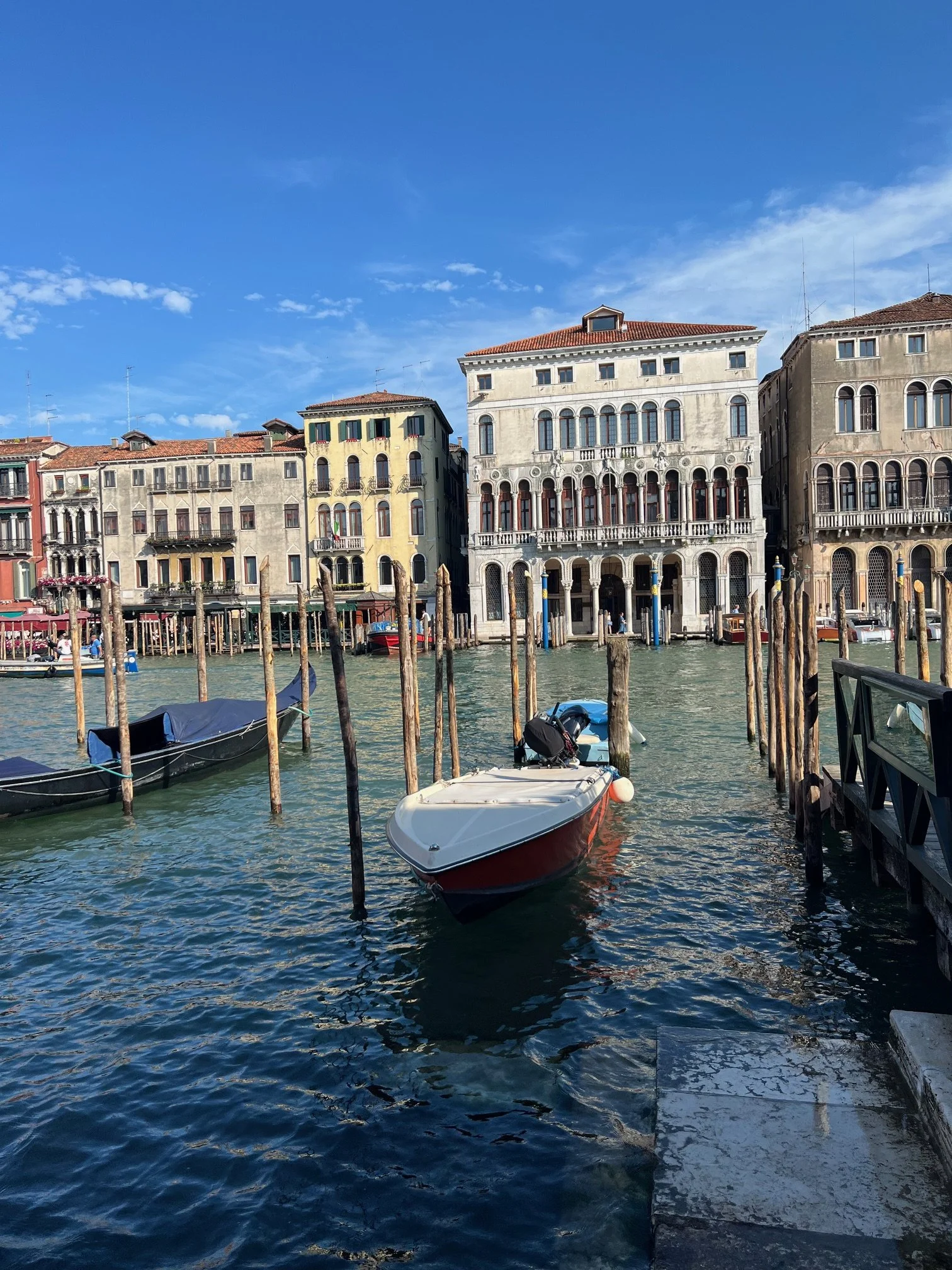
Venice
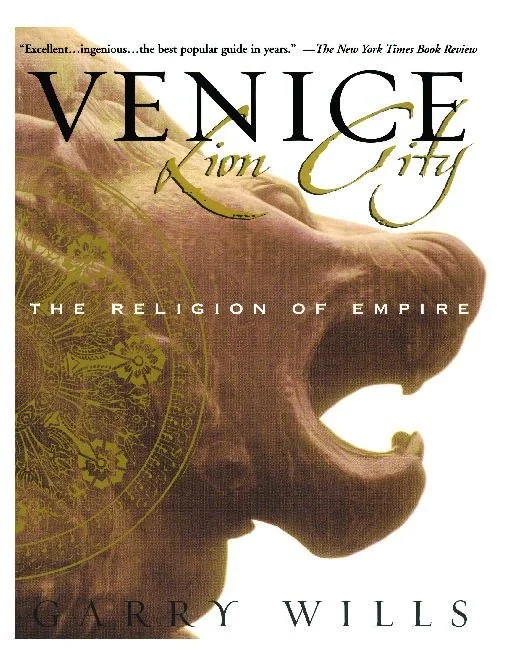
In Venice Lion City: The Religion of Empire, Garry Wills explores the extraordinary relationship between Venice’s religious identity, political power and artistic culture. Rather than treating Venetian art simply as a collection of great paintings and buildings, Wills places it within the story of a republic that saw itself as both a commercial power and a sacred city. He examines how Venice used churches, ceremonies, symbols and works of art to reinforce its sense of identity and its claims to power.
Wills is an acclaimed American author, historian and public intellectual. A Pulitzer Prize winner and former professor at Northwestern University, he has written extensively on religion, politics, history and culture.
I found this book particularly useful in preparing for my visit to Venice. It provided valuable context for understanding why the city's churches, ceremonies, imagery and architecture look and feel the way they do. Reading it before seeing the art in person gave me a much better framework for understanding what I was encountering and made it a particularly helpful reference throughout my exploration of Venetian art. (Simon & Schuster, 2001)
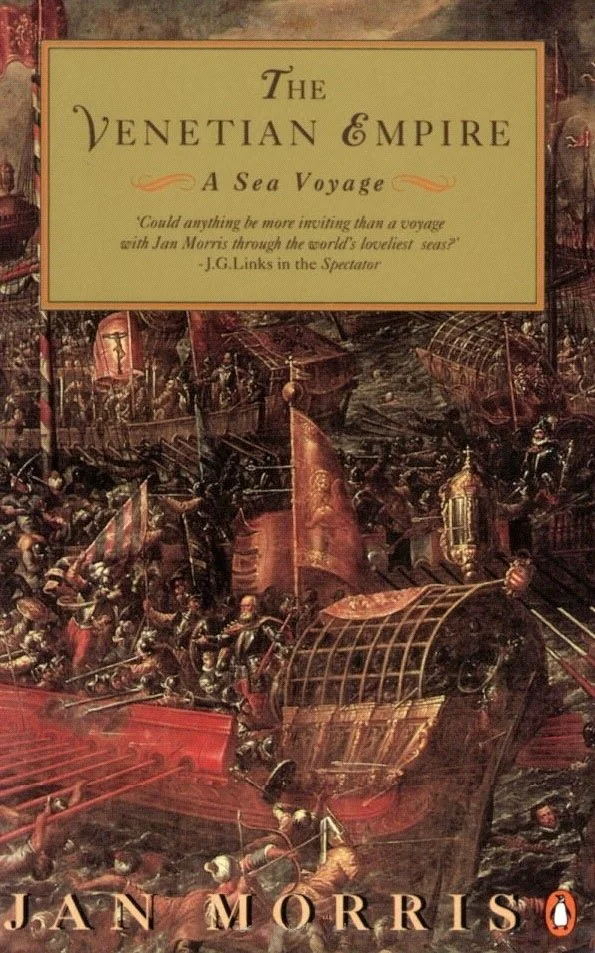
Jan Morris’s The Venetian Empire — A Sea Voyage offers a rich blend of travel writing, history and cultural analysis that argues Venice’s true power lay not in territorial conquest but in its mastery of maritime commerce, diplomacy and cosmopolitan sea-based networks; the city’s identity and longevity were shaped by its role as an intermediary — a mercantile republic whose influence radiated through ports, ships and seafaring institutions rather than contiguous land empire. Morris traces how Venetian law, commercial practices, naval organisation and multicultural port communities created a durable “empire” of trade and sea-borne culture, showing that Venice’s genius was to rule by connection, exchange and reputation across the Mediterranean and beyond. Jan Morris (1926–2020) was an acclaimed Welsh historian and travel writer, best known for insightful, elegantly written works on cities, empires and travel, including Pax Britannica and Venice: A Maritime Republic. (Penguin Books, 1990)
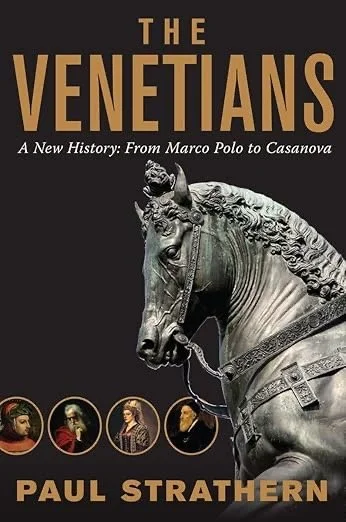
The Venetians: A New History from Marco Polo to Casanova by Paul Strathern offers a compelling and richly detailed narrative that traces the rise and fall of Venice from its medieval origins through to the 18th century. The book explores the city’s unique political system, economic prowess, and cultural achievements, highlighting key figures such as Marco Polo, whose travels opened new worlds for Venice, and Giacomo Casanova, emblematic of its later social complexity. Strathern combines historical analysis with vivid storytelling to depict Venice not only as a powerful maritime republic but also as a centre of innovation, art, and intrigue. This work provides readers with a nuanced understanding of Venice’s enduring legacy in European history and is a good primer on the deepening knowledge of the city’s impact during the Renaissance and beyond. (Pegasus Books, 2013)