
Fiction
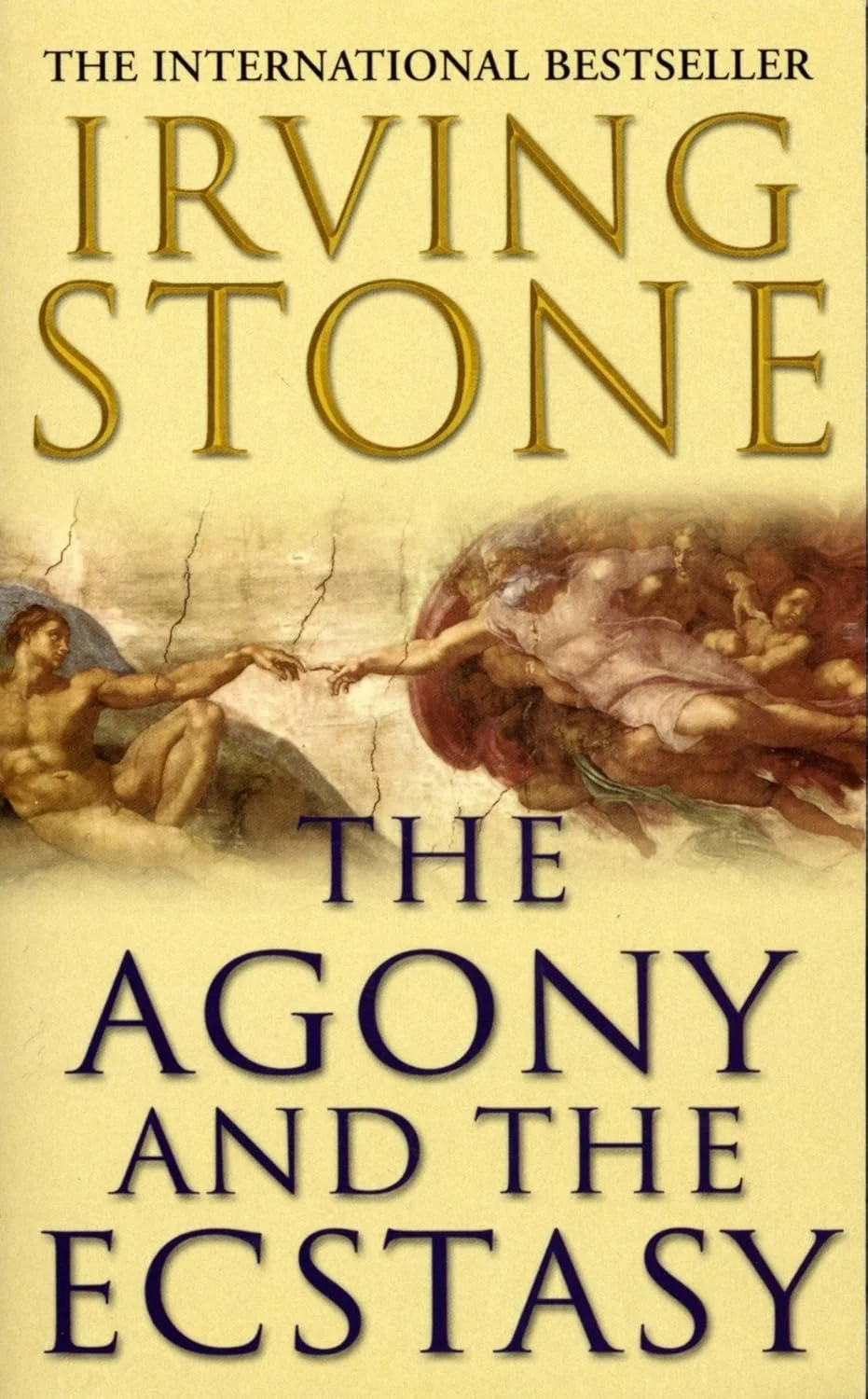
The Agony and the Ecstasy by Irving Stone is a historical novel that explores the life of the renowned Renaissance artist Michelangelo Buonarroti. The narrative delves into Michelangelo's artistic struggles, his passionate pursuit of perfection, and his relationships with patrons such as Pope Julius II. Stone vividly portrays the complexity of Michelangelo’s character, highlighting both his genius and his human vulnerabilities, set against the backdrop of the political and artistic turbulence of 16th-century Italy. The novel offers an intimate and detailed account of the creation of iconic works like the Sistine Chapel ceiling, blending historical facts with imaginative insights. (Signet, 1987)
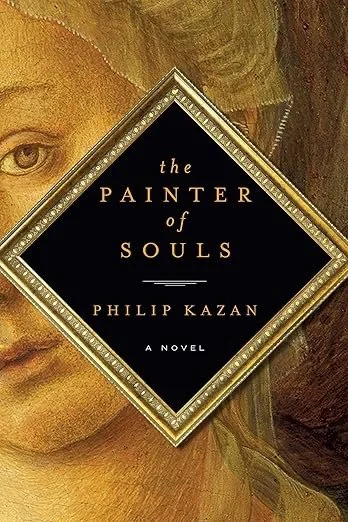
The Painter of Souls by Philip Kazan is a fictional narrative centred on the life of Fra Filippo Lippi, a renowned 15th-century Italian painter. The novel delves into Lippi’s complex character, exploring his artistic genius alongside his tumultuous personal life, including his struggles with faith and love. Kazan vividly recreates the Renaissance era, bringing in other significant charters such as Masaccio, Donatello and Cosimo de Medici. It is a well-written novel that captures the vibrant cultural and social atmosphere that shaped Lippi’s work. Through a blend of historical facts and imaginative storytelling, the book offers a rich portrait of an artist whose life was as captivating as his masterpieces. (Orion, 2015)
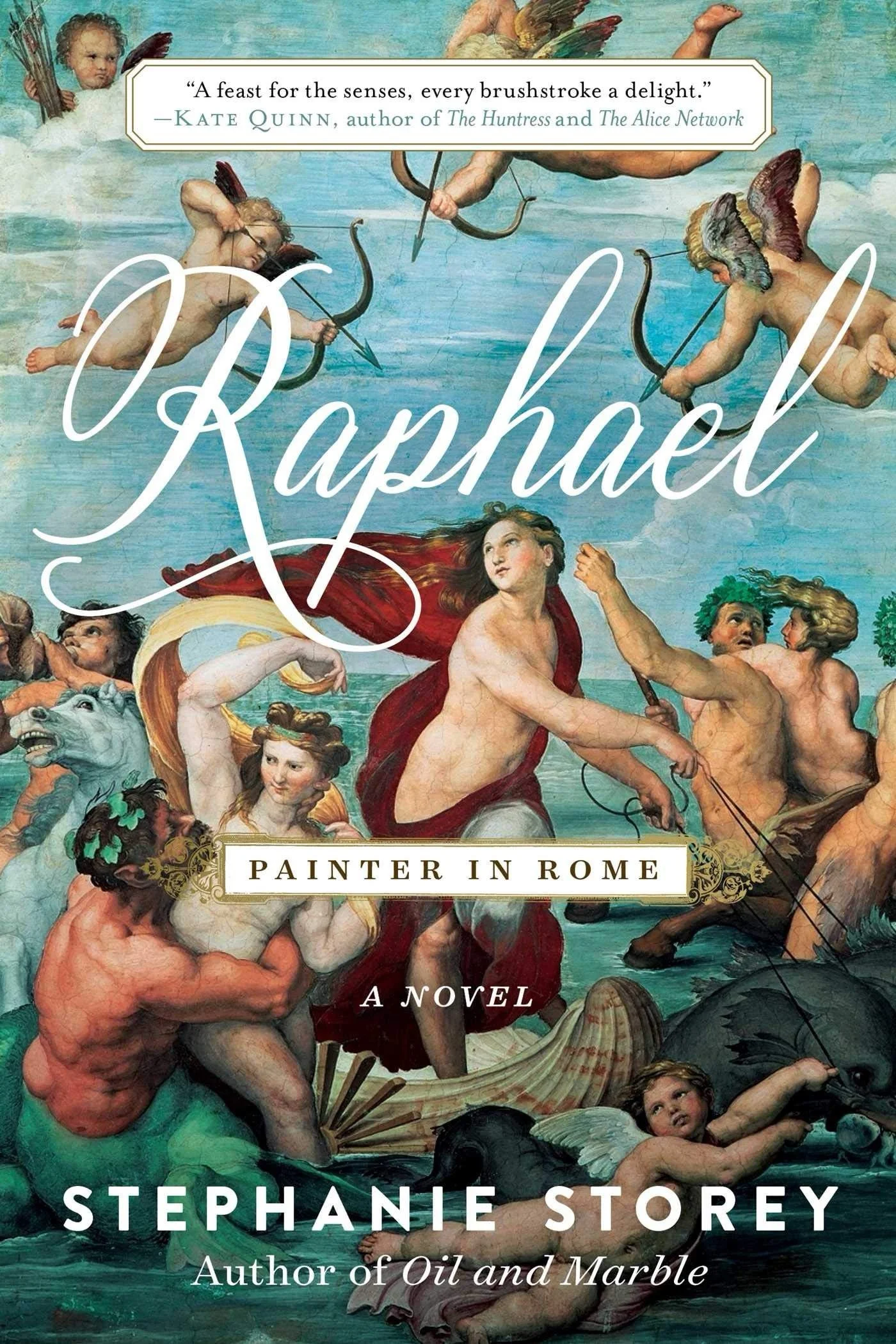
Raphael - Painter in Rome by Stephanie Story is a concise, visually rich biography that traces the life and artistic development of Raphael Sanzio during his time in Rome. Story focuses on the decade when Raphael arrived in the city of popes and patrons, detailing how he navigated commissions, rivalries, and the demands of monumental public and private projects. The book balances discussion of iconic works—such as the frescoes in the Vatican Stanze and major altarpieces—with attention to Raphael’s workshop practice, collaborations, and influence on contemporaries like Michelangelo and Bramante. Story emphasises Raphael’s skill at synthesizing classical ideals, Renaissance naturalism, and sophisticated compositional design, showing how he helped define High Renaissance aesthetics. Short, accessible chapters and abundant illustrations make the book suitable for general readers and students, offering a clear portrait of Raphael’s achievements, his professional methods in Rome, and his lasting legacy in Western art. (Arcade, 2020)