Flemish Masterworks in Montreal
Oil, Detail, and Humanity: The Renaissance as a European Exchange
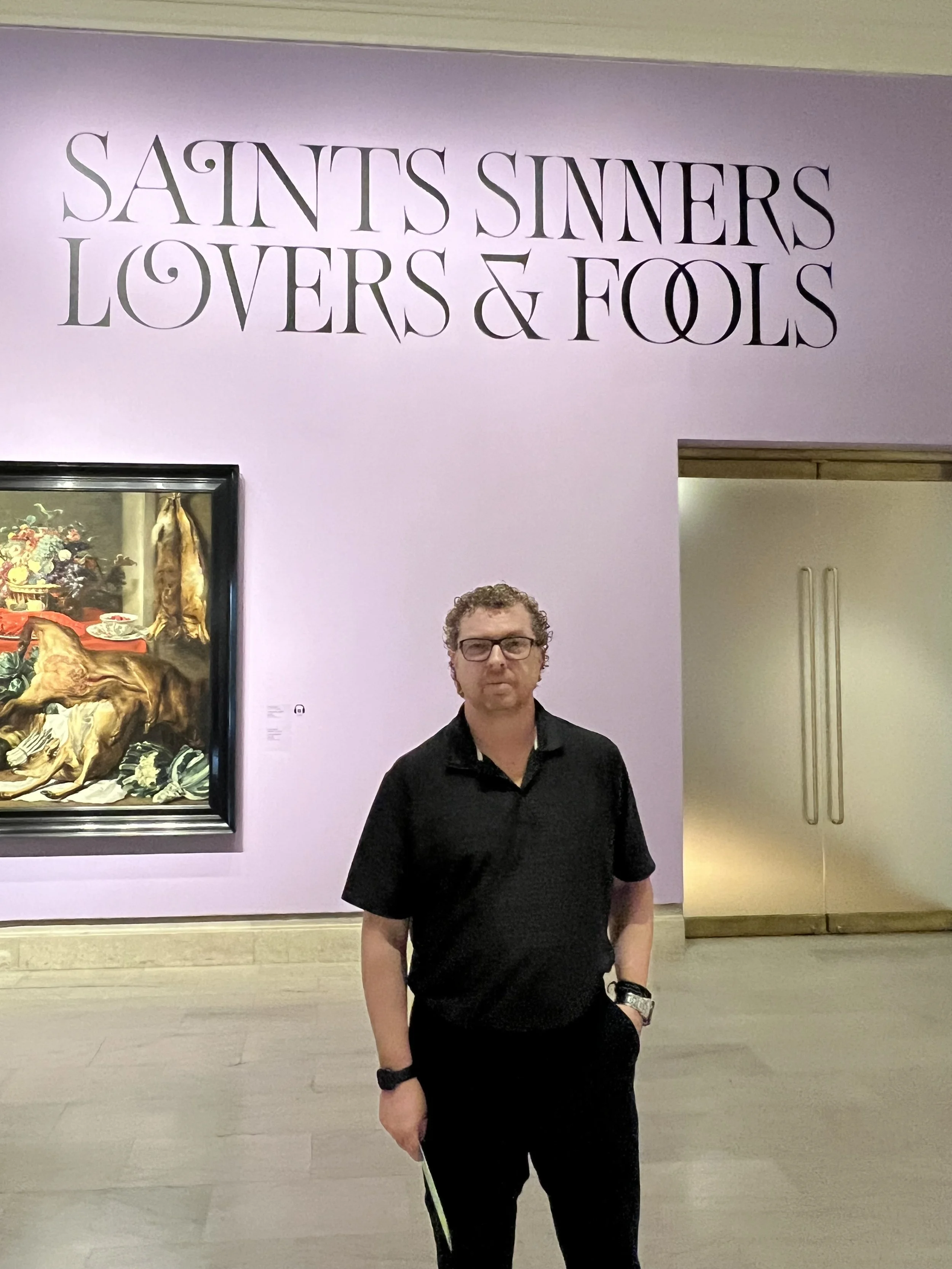
There are moments in a museum when an exhibition quietly changes the way we understand an entire period of history. Saints, Sinners, Lovers, and Fools: Three Hundred Years of Flemish Masterworks at the Montreal Museum of Fine Arts offered precisely that experience.
For readers of The Renaissance Blueprint, the immediate instinct may be to view Flemish art as somewhat separate from the Italian Renaissance world of Florence, Venice, Raphael, Leonardo, or Michelangelo. Yet walking through this exhibition revealed something far more interesting: the Renaissance was not an isolated Italian phenomenon. It was a European exchange.
Ideas, techniques, artistic ambitions, and ways of seeing moved continuously between Italy and Northern Europe. Merchants carried paintings across borders. Artists traveled south to study classical antiquity and returned north transformed. Italian patrons admired Northern realism while Flemish painters absorbed Italian ideas of monumentality and perspective.
At the center of this exchange was one revolutionary development: oil paint. The exhibition demonstrated beautifully how the mastery of oil painting by Flemish artists transformed European art forever.
Oil Paint and the New Art of Observation
One of the clearest lessons from the exhibition was that oil paint changed not only technique, but vision itself.
Before oil painting became widespread, many Italian artists worked primarily in tempera. Tempera could produce clarity and brilliance, but it dried quickly and offered limited flexibility for subtle transitions of light, atmosphere, and texture.
Flemish artists pushed oil painting to astonishing new levels.
Layer by layer, transparent glazes created depth, luminosity, and detail unlike anything Europe had previously seen. Flesh appeared softer. Fabrics became tactile. Metal reflected light convincingly. Landscapes receded gradually into atmosphere.
But perhaps most importantly, oil paint allowed artists to observe the world with unprecedented intimacy.
This was not detail for its own sake. It reflected a broader Renaissance shift toward close observation of human life.
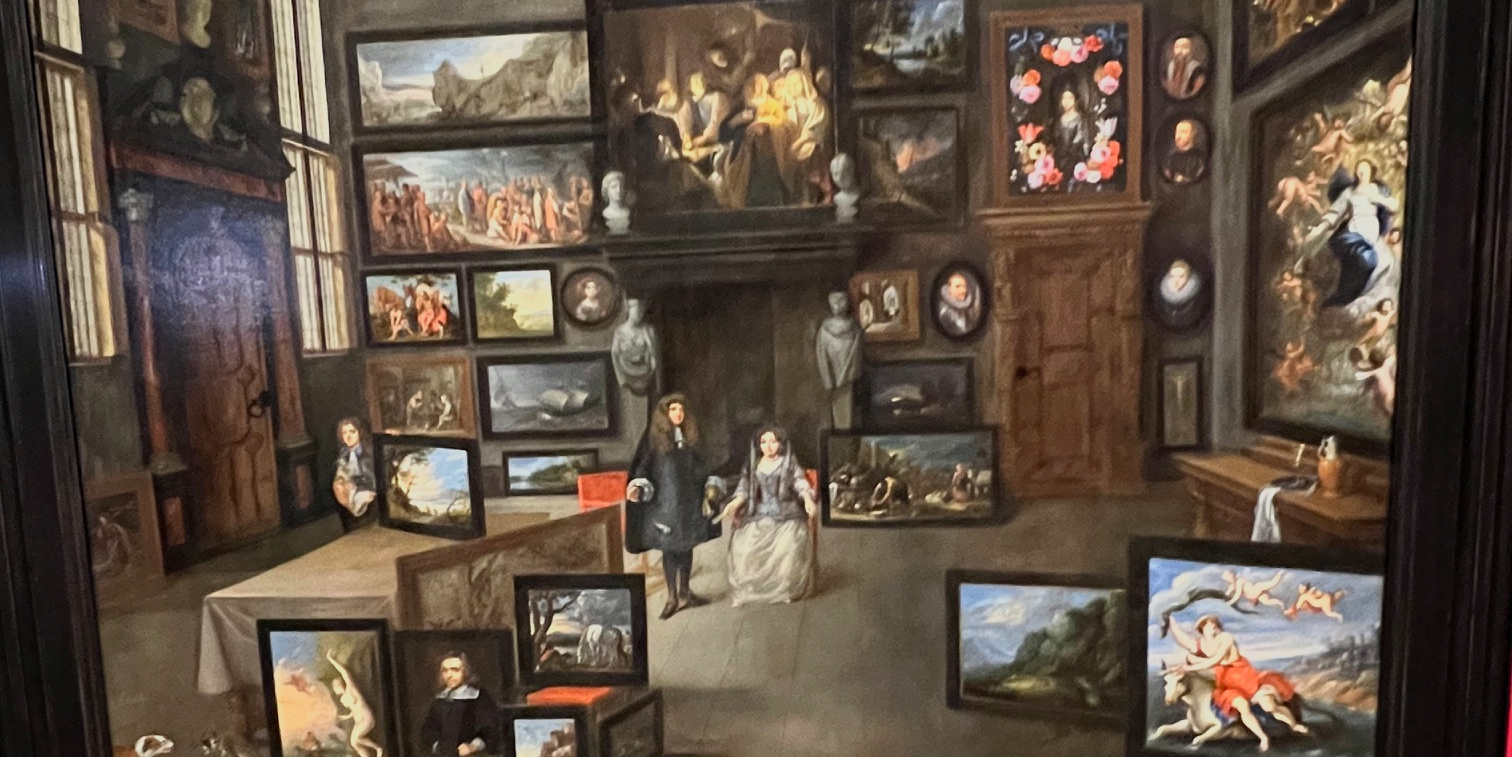
In some of the works in the exhibition, ordinary objects became extraordinary: glass vessels catching light, wrinkles forming around aging eyes, candle wax melting slowly, richly embroidered clothing, humble domestic interiors, flowers beginning to wilt.
The sacred world no longer floated above everyday experience.
It entered it. The divine becomes tangible.
That achievement feels deeply connected to the broader Renaissance project occurring simultaneously in Italy: a growing belief that human experience itself was worthy of serious artistic attention.
Hans Memling and the Quiet Humanity of the Northern Renaissance
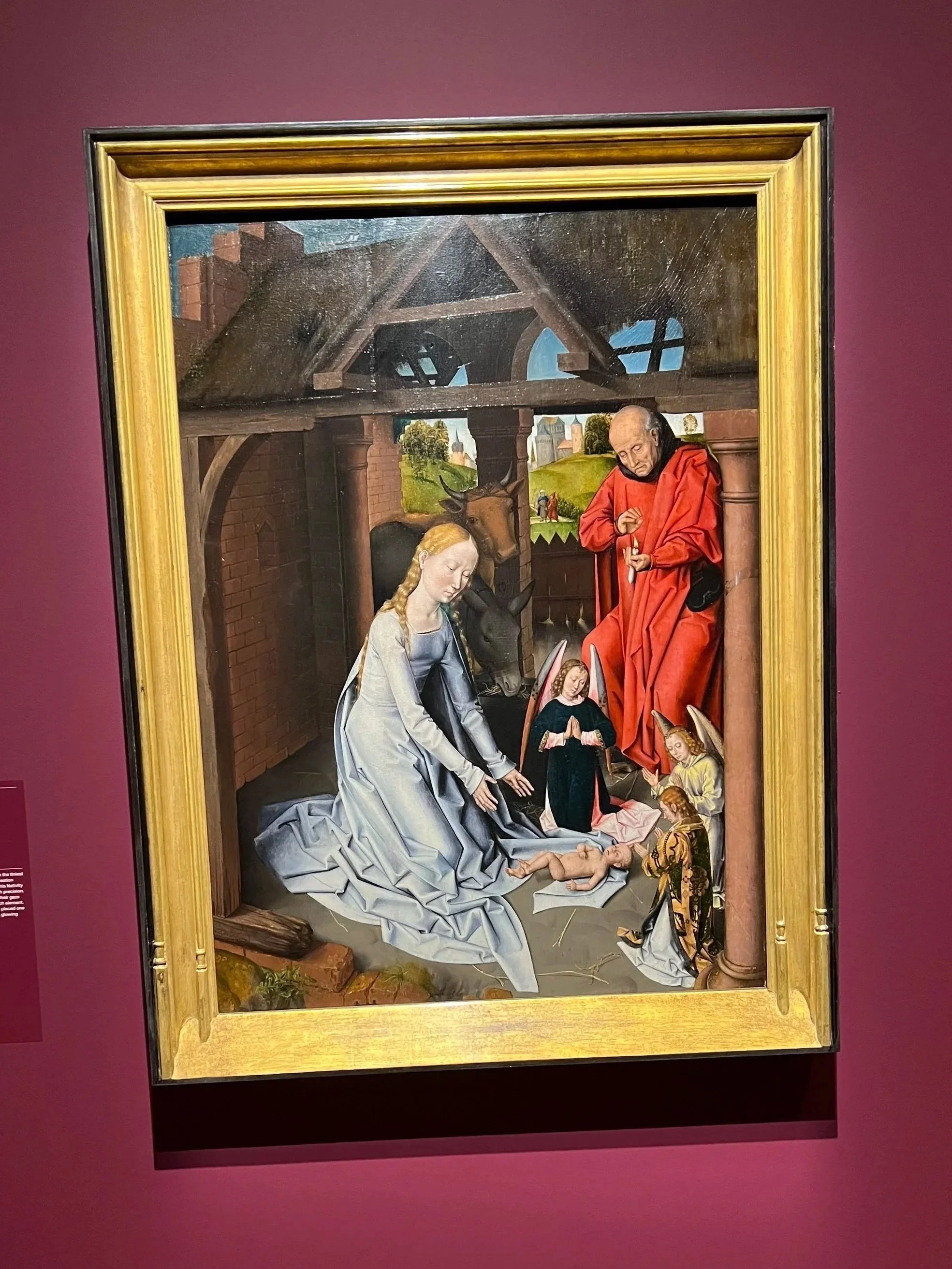
Among the artists who embody this transformation is Hans Memling (1430 - 1494).
Memling’s paintings possess an extraordinary stillness. His religious figures feel contemplative, intimate, and profoundly human. The refinement of oil technique allows every detail to contribute to an emotional setting: delicate skin tones, transparent veils, shimmering jewels, and carefully rendered landscapes.
What makes Memling especially important within the larger Renaissance story is the balance he achieves between spirituality and observation.
Italian Renaissance artists often pursued idealized beauty inspired by classical antiquity.
Memling pursued emotional presence.
Standing before works associated with his artistic world, one senses how Northern painters invited viewers not merely to admire religious subjects, but to enter psychologically into them.
This inward quality became one of the defining strengths of Northern Renaissance art.
Italy Learns from the North
One of the most fascinating realizations prompted by the exhibition is how much Italian art itself was shaped by Flemish innovation.
Italian painters were deeply impressed by Northern oil techniques.
Artists such as Antonello da Messina (c.1425-1430 - February 1479) likely encountered Flemish painting directly and helped introduce oil methods into Italy. Venetian painters in particular embraced the rich possibilities of color, atmosphere, and texture that oil paint offered.
Without this Northern influence, the sensuous surfaces of Bellini, Giorgione, or Titian become difficult to imagine.
The Renaissance was not a one-way movement flowing outward from Florence. It was a conversation.
And Flemish artists were essential participants.
Pieter Coecke van Aelst and the Movement of Renaissance Ideas
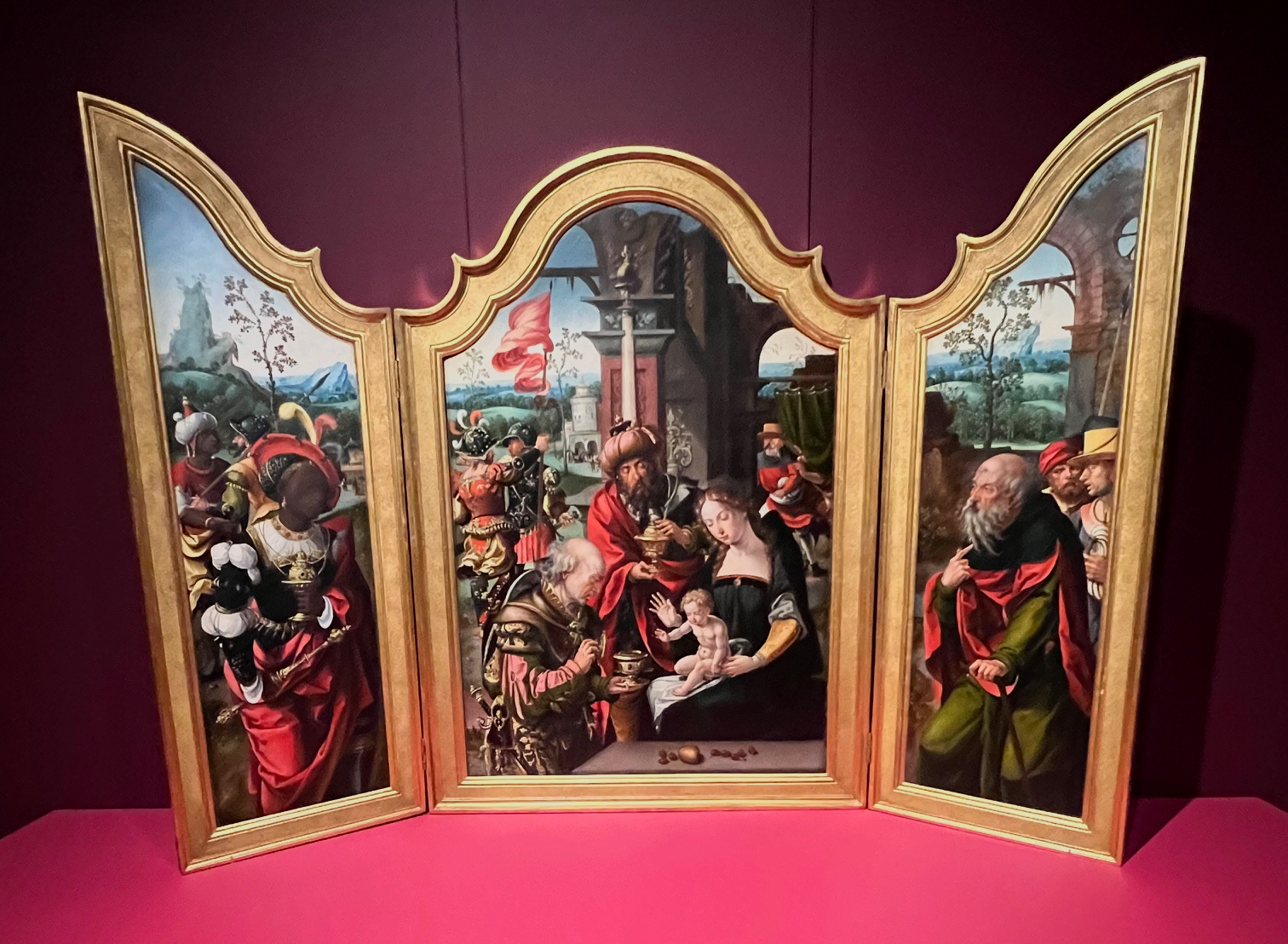
The career of Pieter Coecke van Aelst (1502 - 1550) demonstrates how interconnected Renaissance Europe had become.
A painter, designer, translator, and traveler, Coecke van Aelst absorbed Italian Renaissance ideas and helped transmit them into Northern Europe. Classical architectural forms, balanced compositions, and Renaissance ideals increasingly appear in his work.
Yet what makes his paintings compelling is that these Italian influences never erase Flemish identity.
The realism, attention to texture and fascination with daily life remains. His art reflects one of the central themes of the exhibition: Renaissance culture evolved through exchange rather than imitation.
Northern artists did not simply become Italian. They created something entirely their own.
Pieter Brueghel II and the Expansion of Human Experience
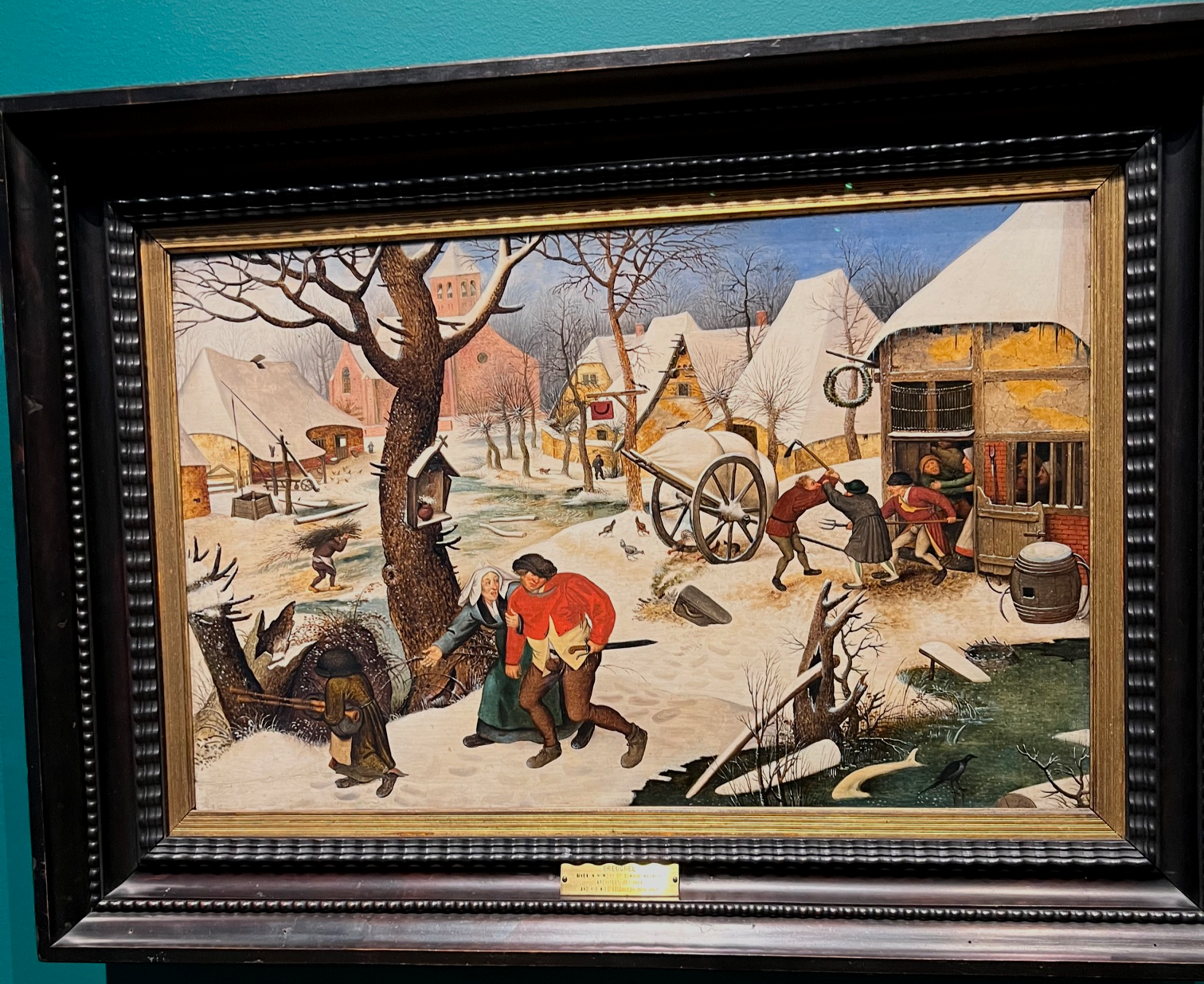
Another striking dimension of the exhibition was the presence of works connected to Pieter Brueghel II (1564 - 1638) and the enduring influence of the Brueghel artistic tradition.
The Brueghels transformed the scope of Renaissance art by turning sustained attention toward ordinary human activity.
Peasant festivals, winter landscapes, village gatherings, crowded markets, and scenes of everyday labor became worthy artistic subjects.
This was revolutionary in its own way.
The Renaissance was increasingly concerned with humanity, but the Brueghels widened the definition of whose humanity mattered.
Their paintings are filled with humor, imperfection, chaos, joy, and vulnerability. One feels not the idealized perfection of heroic figures, but the complexity of real communal life.
Oil painting intensified this effect.
Tiny gestures, facial expressions, textures, and interactions accumulate into entire worlds of human observation.
Looking closely becomes part of the experience.
The viewer is rewarded for patience.
That may be one of the greatest lessons Flemish art offers modern audiences.
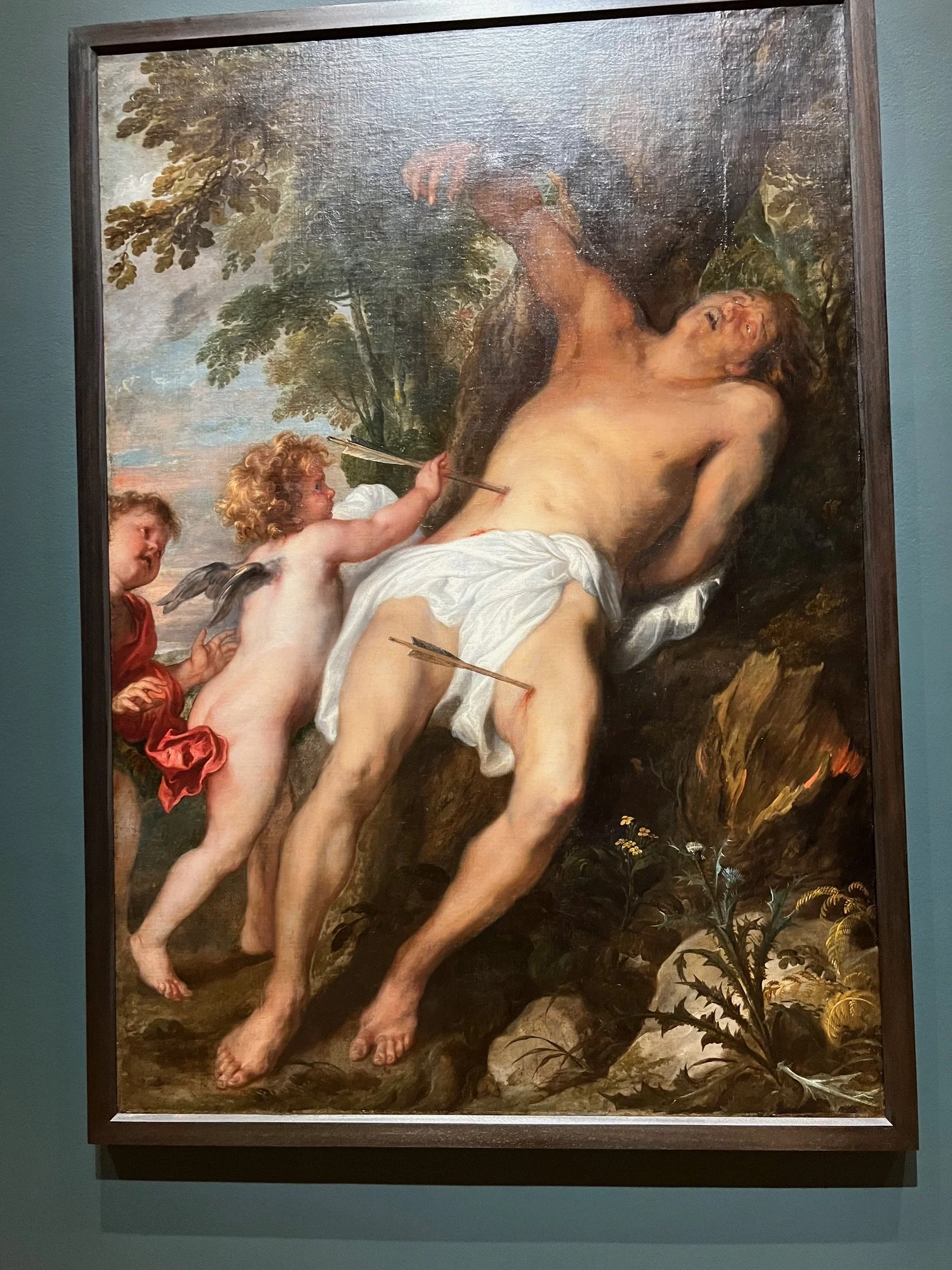
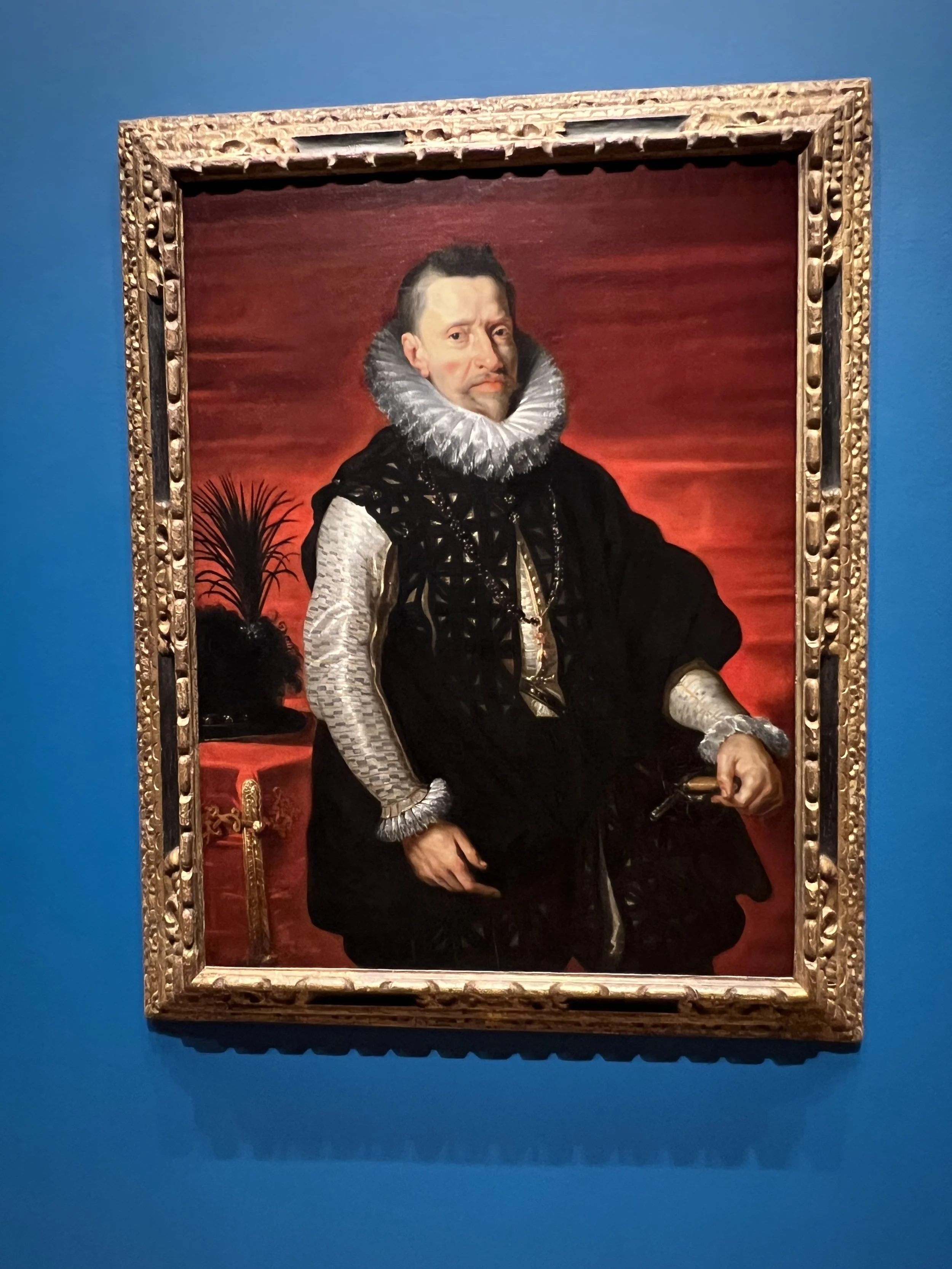
Anthony van Dyck and the International Renaissance
By the time one reaches Anthony van Dyck (1599 - 1641), the European exchange initiated during the Renaissance had become fully international.
Van Dyck absorbed the influence of Rubens, Titian, and Venetian painting while developing an elegance entirely his own. His portraits possess extraordinary psychological sophistication. Faces appear thoughtful, restrained, and alive beneath the surface.
Again, oil paint plays a central role.
The medium allows van Dyck to achieve astonishing subtlety in skin, fabric, gesture, and expression. Human individuality becomes the true subject.
This concern with personality and interior life connects Northern portraiture directly to the broader humanist spirit of the Renaissance.
Art was increasingly becoming a study of the individual.
Rubens and the Full Arrival of the Baroque
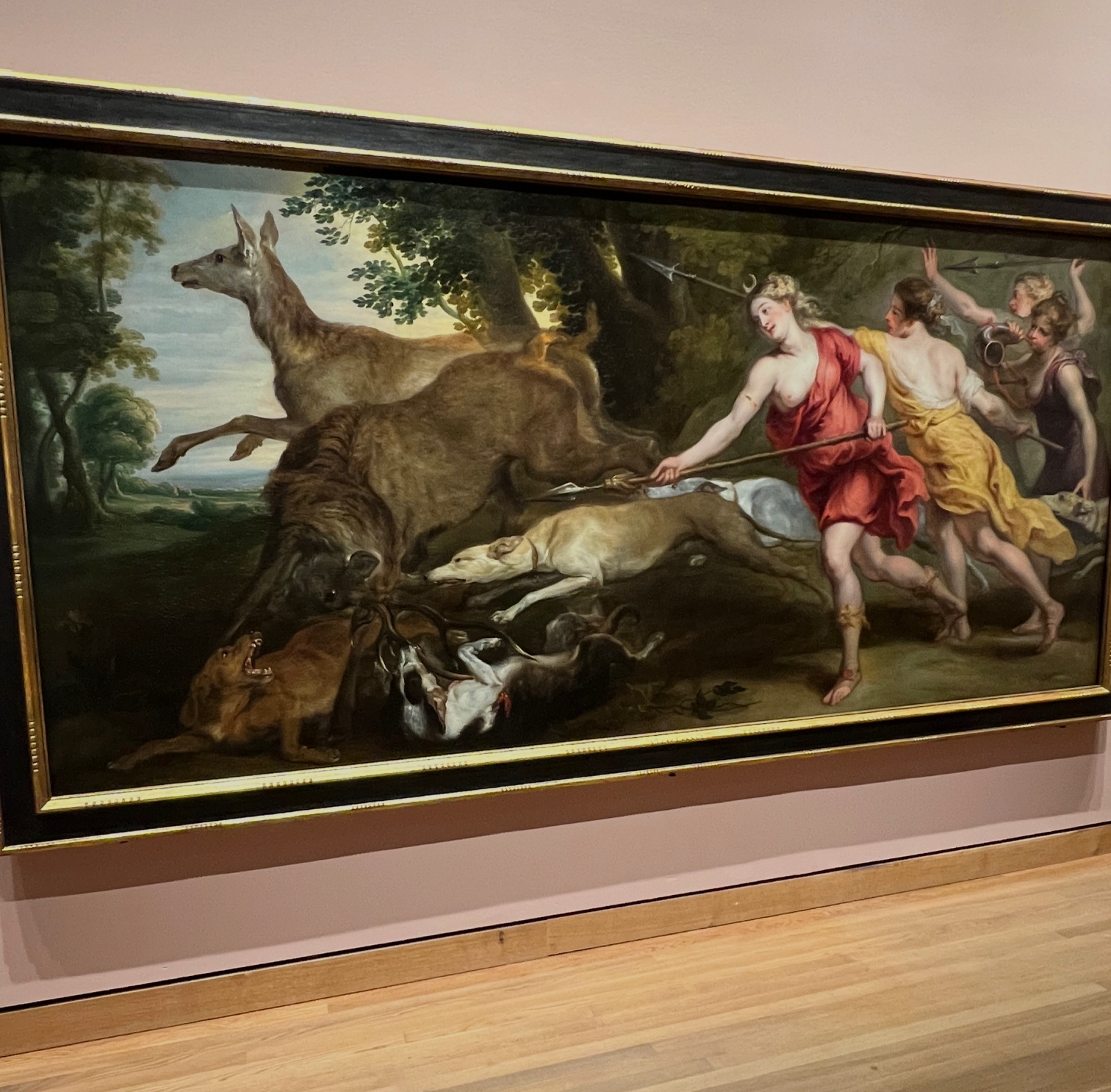
The exhibition also offered visitors an opportunity to see how Renaissance ideals evolved into something even more theatrical and emotionally charged through Peter Paul Rubens (1577 - 1640).
Rubens traveled extensively in Italy and absorbed the influence of Titian, Michelangelo, and classical sculpture. His art demonstrates how deeply connected Flemish culture had become to Italian artistic developments.
Yet Rubens did not merely copy Italian models.
He amplified them.
His figures possess extraordinary movement and sensual energy. Flesh, fabric, and gesture seem alive. Religious scenes become emotionally immersive rather than contemplative.
Standing before Rubens, one senses the transition from Renaissance balance to Baroque dynamism.
For visitors familiar with Italian Renaissance art, Rubens provides a fascinating answer to an important question: what happened after the Renaissance?
The exhibition made clear that Flemish art was central to that evolution.
The Renaissance as a European Exchange
Perhaps the most valuable insight from Saints, Sinners, Lovers, and Fools is that the Renaissance should not be understood as belonging exclusively to Italy.
Florence may have rediscovered classical antiquity. But Flanders transformed the act of seeing.
Northern artists used oil paint to slow observation down, to explore texture, atmosphere, emotion, symbolism, and the intricacies of ordinary existence. In doing so, they expanded what Renaissance art could become.
Meanwhile, Italian ideas concerning anatomy, perspective, monumentality, and classical harmony traveled northward and reshaped Flemish painting in return.
The result was not imitation on either side. It was mutual transformation.
That is what made this exhibition so compelling.
It revealed the Renaissance not as a single style confined to one geography, but as a dynamic European conversation about humanity itself.
And perhaps that is why these paintings still feel so alive today.
They remind us that great art begins with attention: attention to light, to texture, to emotion, to gesture, and ultimately to human beings themselves.
The Flemish masters understood this profoundly.
Their paintings do not simply ask us to admire.
They ask us to slow down and observe.