The Art Institute of Chicago
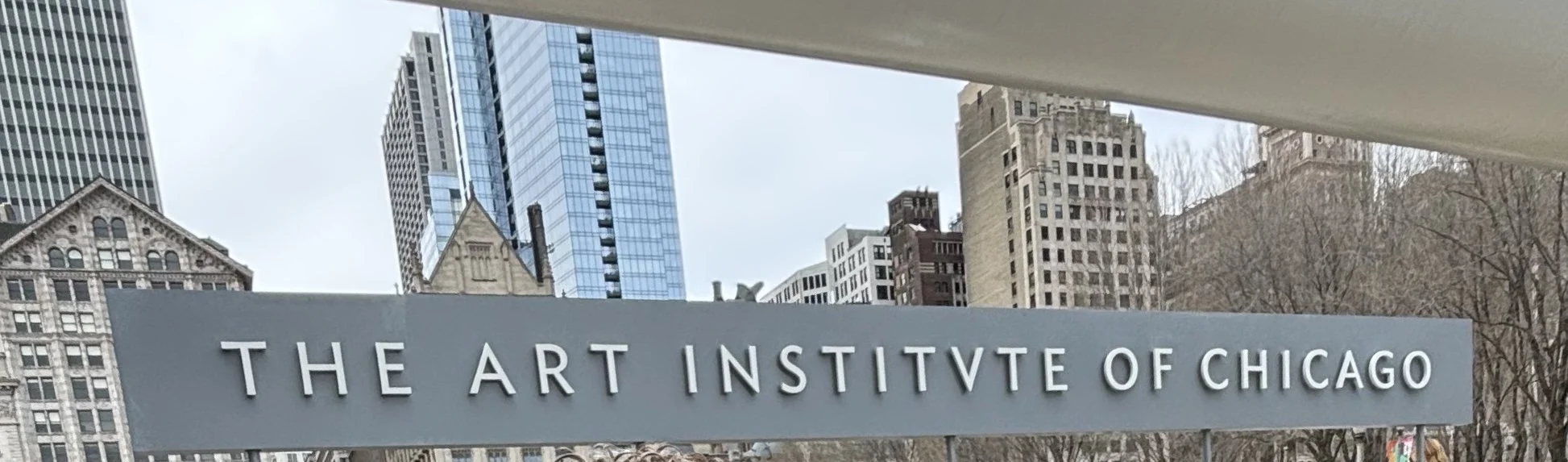
When I first looked at the floor plan of the Art Institute of Chicago, I felt a little intimidated. The breadth and diversity of its collection are vast and far-reaching. Walking into a museum of such scale and depth can be overwhelming. The galleries stretch outward in every direction; masterpieces crowd one another like guests at a well-attended party. My strategy to combat that uneasy feeling is, in my view, simple yet effective: pick a period, pick a style, and focus your visit there. It is an approach of “less is more.” Choosing a focused route is the key to an enjoyable art museum experience. Instead of trying to “see everything,” I gave myself permission to see a slice of what the museum had to offer—to study, to linger, and to revisit a few works until they gradually revealed their secrets.
So, consistent with my interests (and the purpose of this website), I concentrated my time in the “European Decorative Arts” wing on the museum’s second floor. That is where many paintings of the Italian and European Renaissance are on display. But even with that focused approach, the selection was enough to make any novice art enthusiast feel dizzy with anticipation. Botticelli’s delicate tondi and devotional panels, Vasari’s narrative-rich compositions, and the dramatic, elongated figures of El Greco each offered a different facet of how artists in the Renaissance and its aftermath conceived of form, light, and spiritual presence.
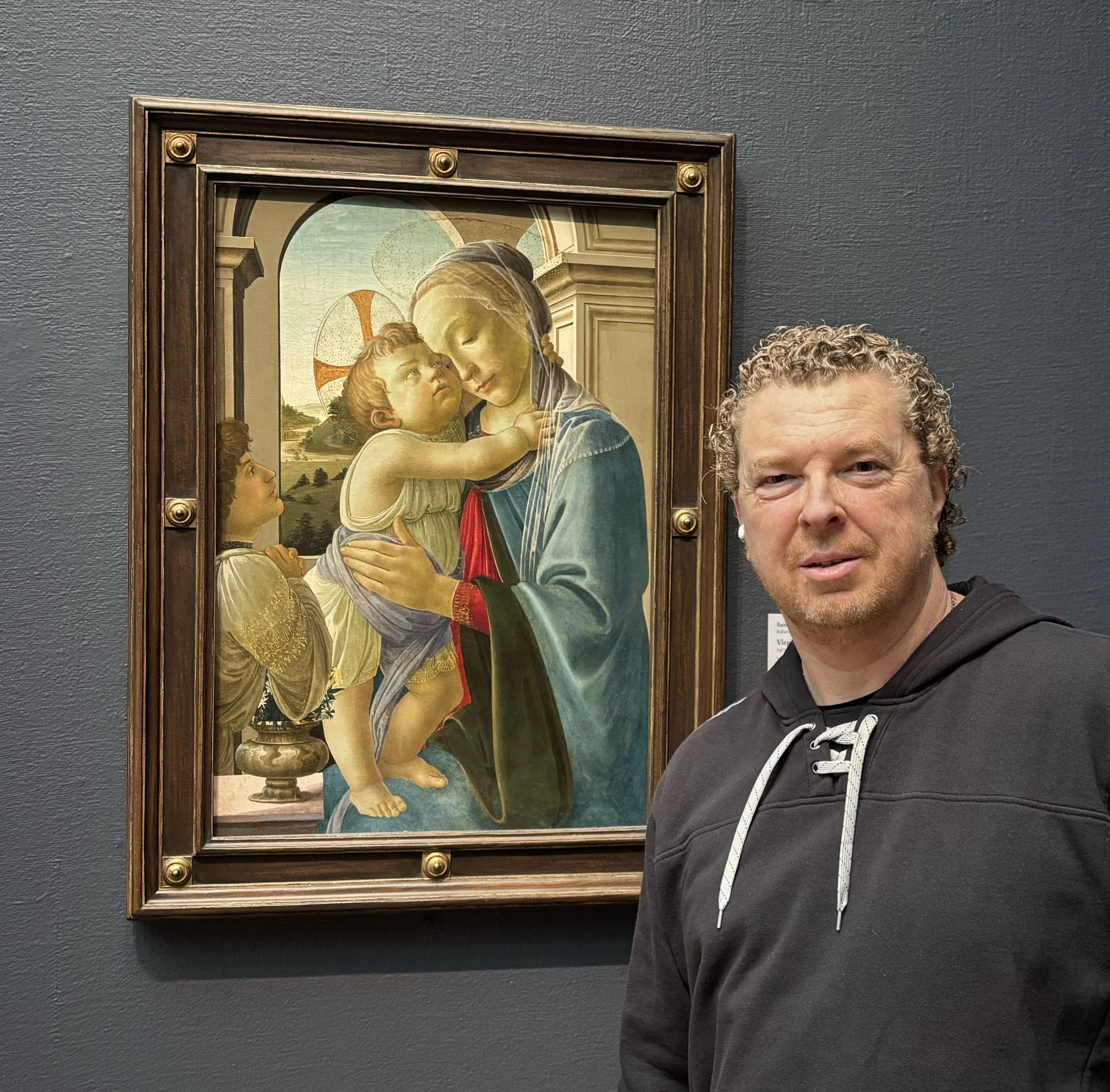
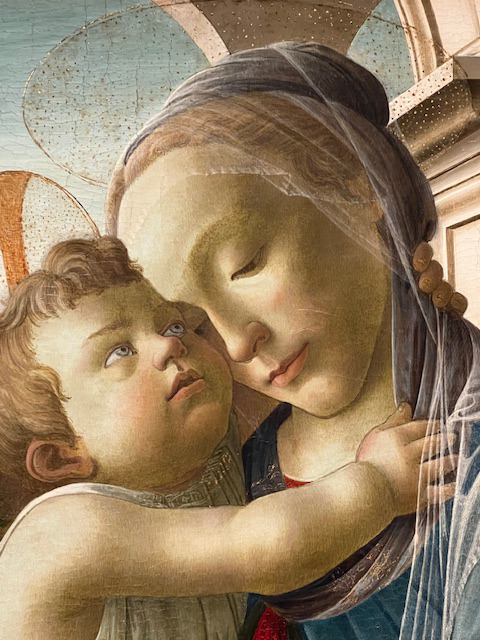
Botticelli’s work is a reminder of the period’s lyrical line and ethereal grace. The paintings that survive from his hand—with their fine contours and refined faces—invite the viewer to move closer and slow down. I had the opportunity to do just that. At one point, I found myself alone in the room where some of his paintings hang. Standing so close to a work of art by such a well-known master was an incredible feeling. Beyond witnessing, up close and without interruption or distraction, the beauty of the painting entitled Virgin and Child with an Angel, I also reflected on the storied life of Botticelli. There are many fascinating episodes: his connection with the powerful Medici family in Florence; his creation of two of the most famous paintings in the world—The Primavera and The Birth of Venus (which I hope to see at the Uffizi Gallery in Florence this summer); and the way his art was eventually influenced by the Dominican preacher and instigator of the “Bonfire of the Vanities,” Girolamo Savonarola. It was a rare and memorable moment.
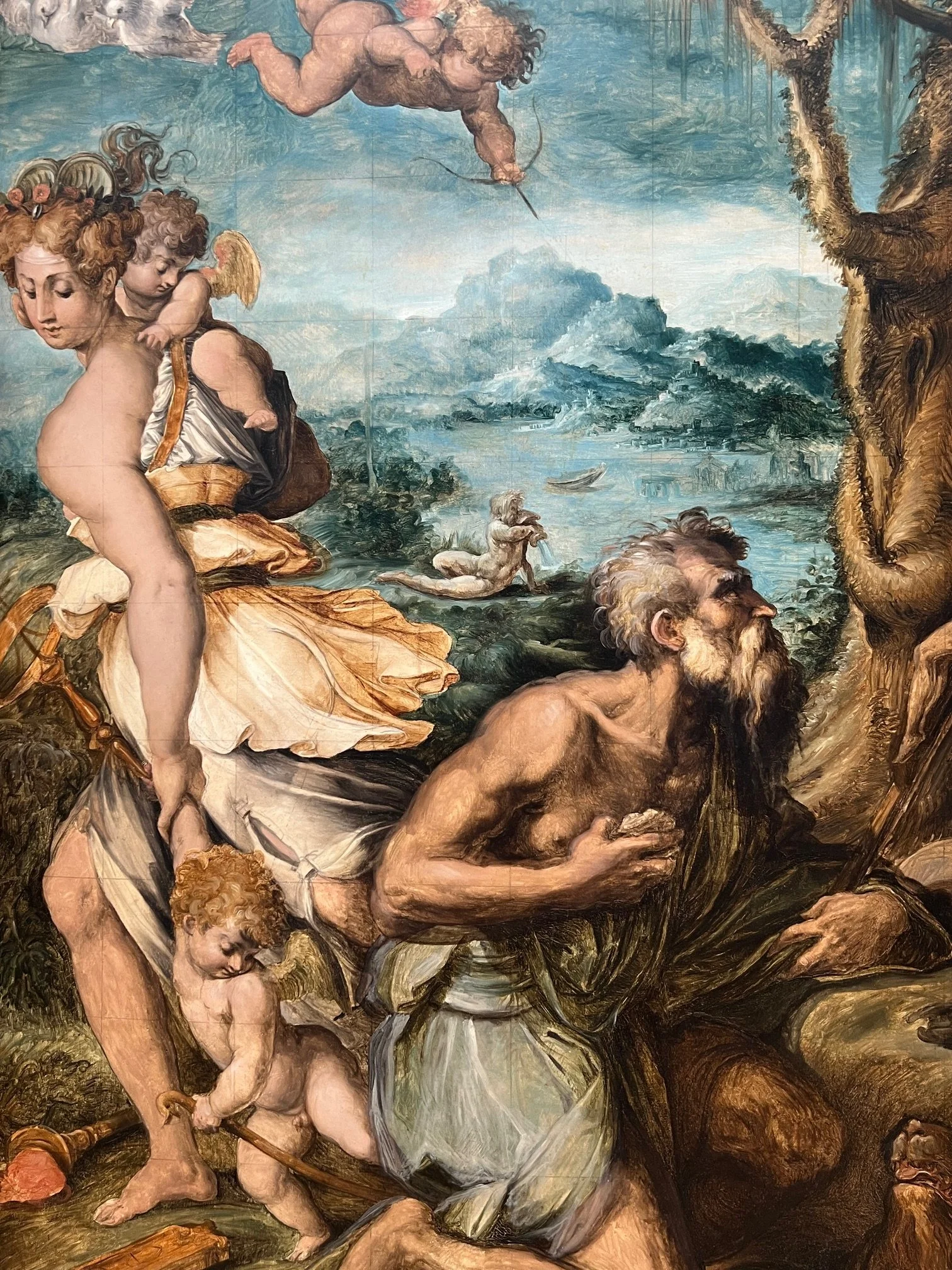
Within a few feet of this work was an unfinished painting by Giorgio Vasari—The Temptation of Saint Jerome. Vasari is considered one of the early fathers of art history, mainly due to his biographical compendium The Lives of the Most Excellent Painters, Sculptors, and Architects, first published in 1550. He is also the painter of other well-known works, such as the massive fresco inside the dome of the Duomo in Florence. His work is characterized by a different energy: a narrative confidence and a clarity of purpose that feel almost like a sketch brought to life, connecting story and portraiture.
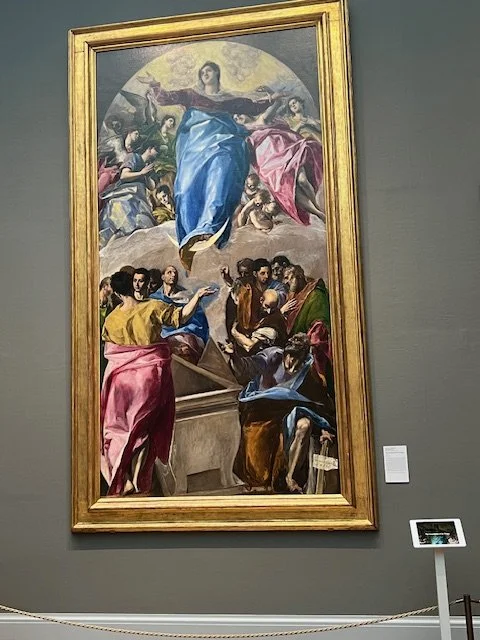
The list of stunning paintings is too lengthy to cover here. However, there is another work that deserves special mention due to its sheer size and awe-inspiring effect - El Greco’s Assumption of the Virgin. Over 13 feet in height and just under seven feet wide, the painting depicts the Virgin Mary ascending in a swirl of luminous, elongated figures and dramatic, radiant light. El Greco stands apart yet fits into this focused visit because his late-Renaissance mannerism pushes color, distortion, and spiritual intensity toward a striking sense of modernity; his paintings hum with tension and longing.
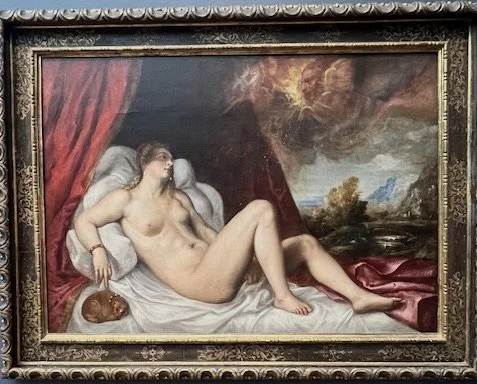
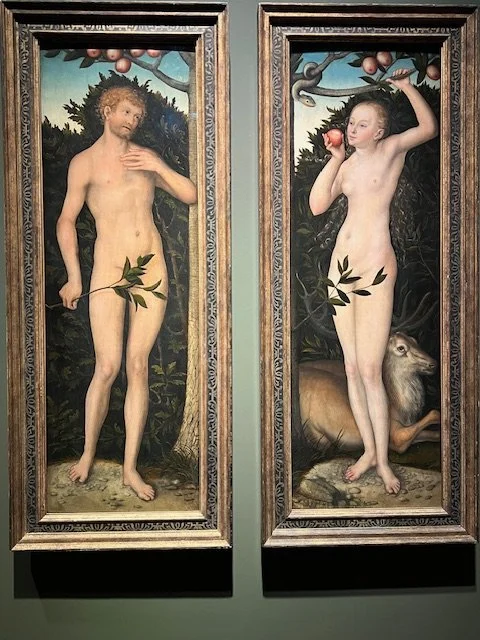
The Art Institute’s collection includes several other works from that wider Renaissance context worth noting. Alongside Botticelli, Vasari, and El Greco, the museum holds important pieces by artists and schools that illuminate the period’s range: early Netherlandish panels that pioneered oil paint and exquisite, jewel-like detail; Italian masters whose religious altarpieces map theological and civic values; and lesser-known regional painters whose works show how Renaissance ideas traveled and were adapted. Titian, Tintoretto, Jacopo da Pontormo, Sebastiano del Piombo, Pietro Perugino, Correggio, and Lucas Cranach are just some of the specific examples in the collection that complement the names above, offering viewers a chance to trace developments in composition, lighting, and iconography across regions and decades.
Focusing on a single period also revealed something about how confidence in any endeavor grows—not with a dramatic leap, but through steady, intentional steps. I arrived unsure of how to tackle the museum’s breadth and left with a clarified method: choose a manageable direction, commit to curiosity, and give yourself permission to dwell. That approach - small, consistent, and purposeful - turned an intimidating cultural institution into a site of genuine discovery. It is also, to a certain extent, the approach that I advocate throughout The Renaissance Blueprint. Be deliberate about what you choose to explore, and take the time to observe and reflect on the works before you.
If you are planning a first visit to the Art Institute of Chicago (or any other large museum), consider this approach: identify a period, style, or even a single artist that interests you, and build your visit around that centre. You will experience more depth, less fatigue, and a real sense of progress. Museums, like personal goals, do not require you to conquer everything at once. They reward the willing, the persistent, and the curious—those who show up ready to engage, one deliberate step at a time.
Above all, allow yourself to enjoy the process of learning.