
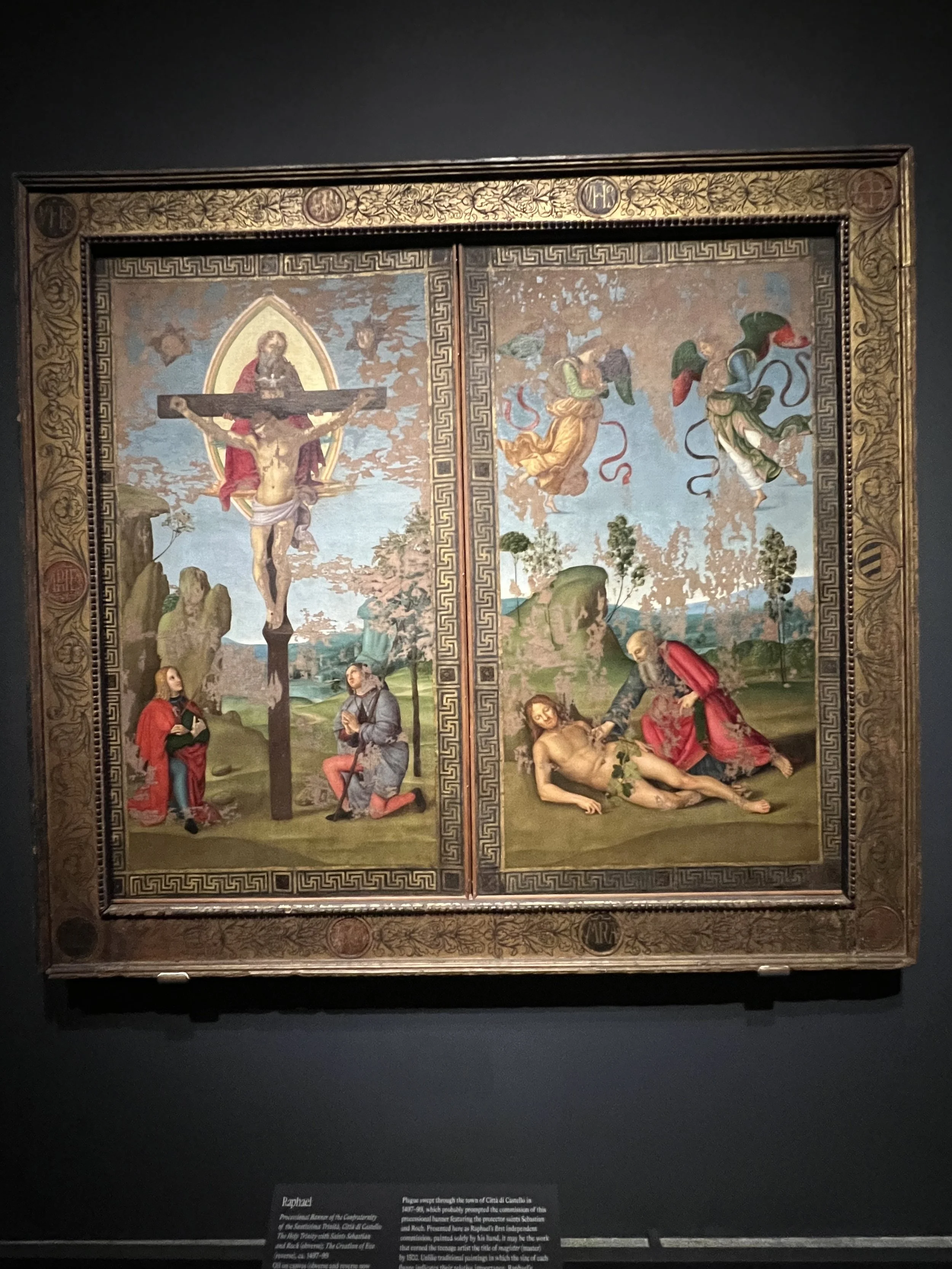
Raphael and his works
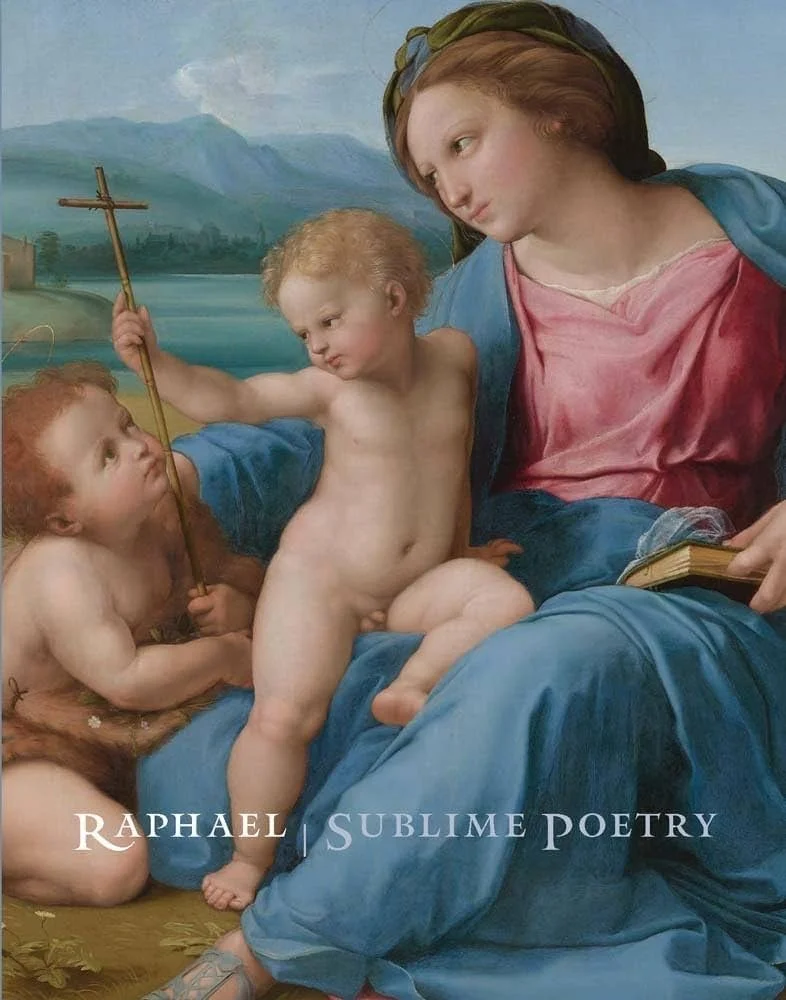
Raphael — Sublime Poetry by Dr. Carmen C. Bambach is a focused, accessible study of the artist Raphael, exploring his art, style, and lasting influence. The book examines Raphael’s major paintings and drawings, explaining how he combined careful design, graceful figures, and clear composition to create works admired for their beauty and harmony. It highlights key themes in Raphael’s work—classical balance, serene expression, and refined draftsmanship—while showing how his approach shaped later artists and the wider history of Western art. The writing uses clear examples and images to make Raphael’s techniques and importance easy to understand for readers without specialist training. The book is the official catalogue of works presented in the exhibition of the same name at the Metropolitan Museum of Art in New York City. Dr. Bambach is a senior curator and leading scholar of Italian Renaissance art with decades of museum and academic experience. (Metropolitan Museum of Art, 2026)
Raphael – A Passionate Life by Antonio Forcellino is a clear, lively biography of the Italian Renaissance painter Raphael. The book follows his life from his early years in Urbino through his fast rise in Florence and Rome, showing how he combined technical skill, gentle human feeling and careful study of classical art to create graceful paintings and frescoes. Forcellino explains Raphael’s major works, his workshops and collaborations, and his influence on other artists, while also describing the social and political world that shaped him. The tone is admiring but measured, acknowledging Raphael’s achievements alongside the rivalries, commissions and personal pressures that marked his short life. Forcellino is an art historian and author who has worked as a conservator and museum curator specialising in Renaissance art. (Polity Press, 2012)
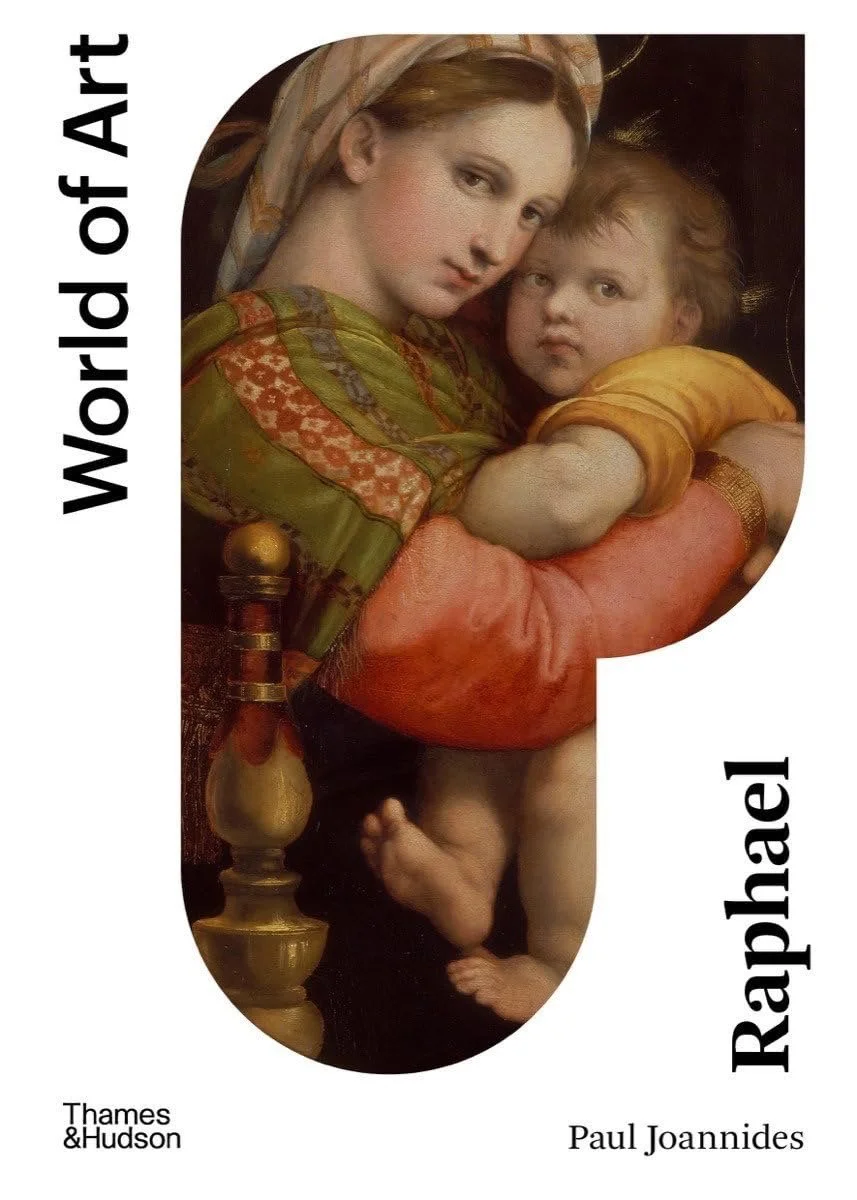
Paul Joannides’ World of Art: Raphael is a concise, accessible introduction to the life, work, and artistic importance of the Italian Renaissance painter Raphael (Raffaello Sanzio). The book traces his early training in Urbino, his development in Florence and Rome, and his major achievements: graceful Madonnas, large-scale fresco cycles, and portraits that combine harmony, clarity, and emotional balance. Joannides explains Raphael’s creative methods, his use of composition and colour, and how he responded to contemporary rivals like Leonardo and Michelangelo while shaping a classicising style that influenced generations. The book also places Raphael’s work in its historical and cultural context, showing how his art reflected humanist ideals and the demands of patrons such as the papacy. Illustrated with key works and written in straightforward language, it offers readers a clear sense of why Raphael is celebrated for beauty, order and mastery of form. Joannides is an art historian and lecturer specialising in Italian Renaissance painting, with publications and teaching experience focused on Raphael and his contemporaries. (Thames & Hudson, 2022)