September 10, 2026
(updated: September 22, 2026)
Discovering Renaissance Art in Venice
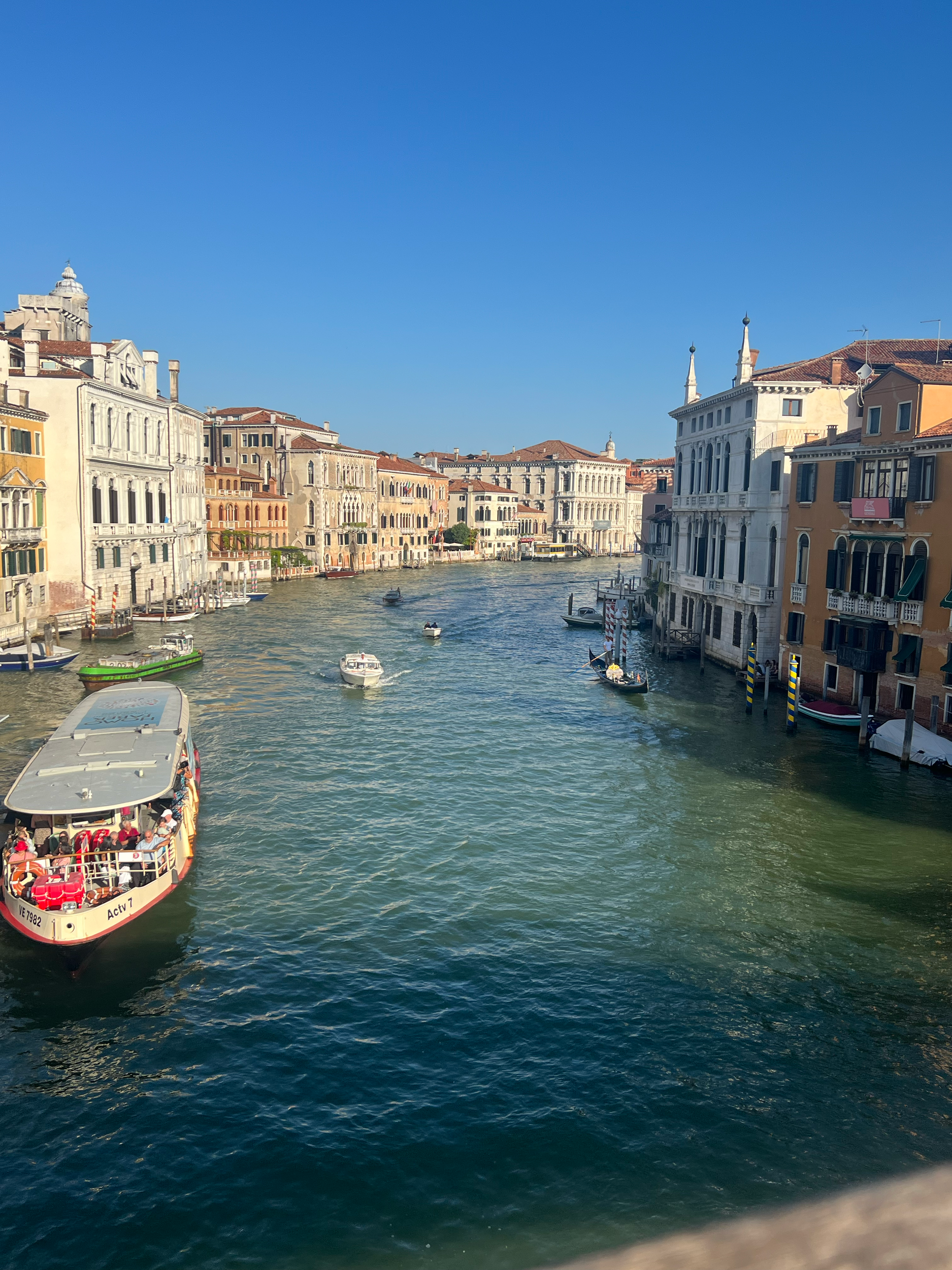
During my recent trip to Venice, I found myself drawn to the city in the early morning, before the day had fully begun. Walking through its narrow alleyways and across its countless small bridges, there was a distinct sense of awakening. Shopkeepers were lifting their shutters and preparing for the day. Tourists were already making their way toward the landmarks they had come to see. Along the Grand Canal, boats of every kind were beginning to move with purpose, carrying people and goods through a city that has always depended on the water.
There was an energy to these mornings that seemed to capture something essential about Venice. The city was waking up, but it was not simply preparing for another day of tourism. It was continuing a rhythm that has existed for centuries.
For me, this visit had a very specific purpose. Venice was not simply another destination on a trip to Italy. It was the next step in my own journey of discovery — the same journey that lies at the heart of The Renaissance Blueprint. I wanted to experience Venetian Renaissance art not only through books, photographs and museum galleries, but in the places and environments for which much of it was originally created.
That led me to three very different experiences, each of which left me thinking about Renaissance art in a slightly different way.
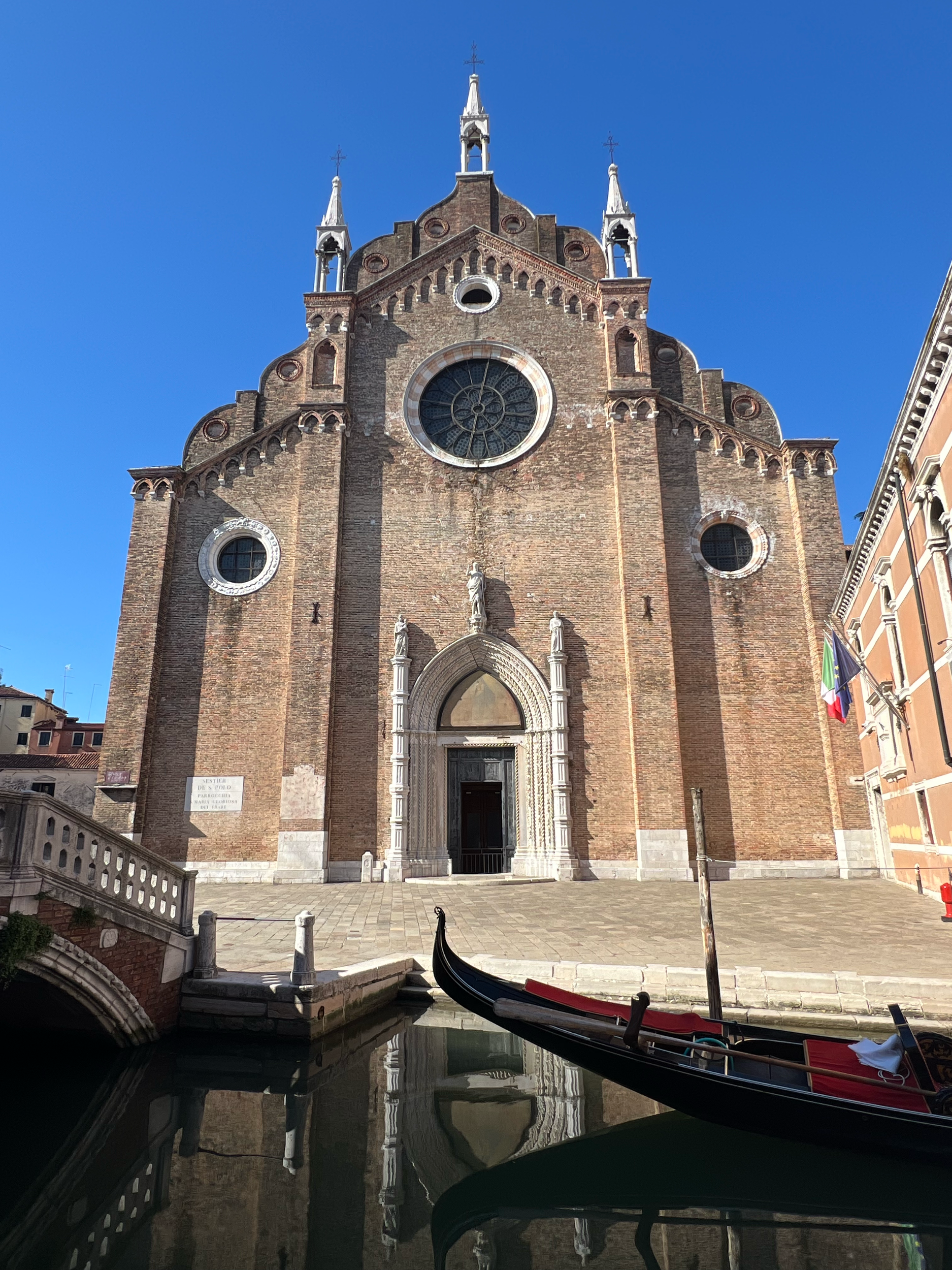
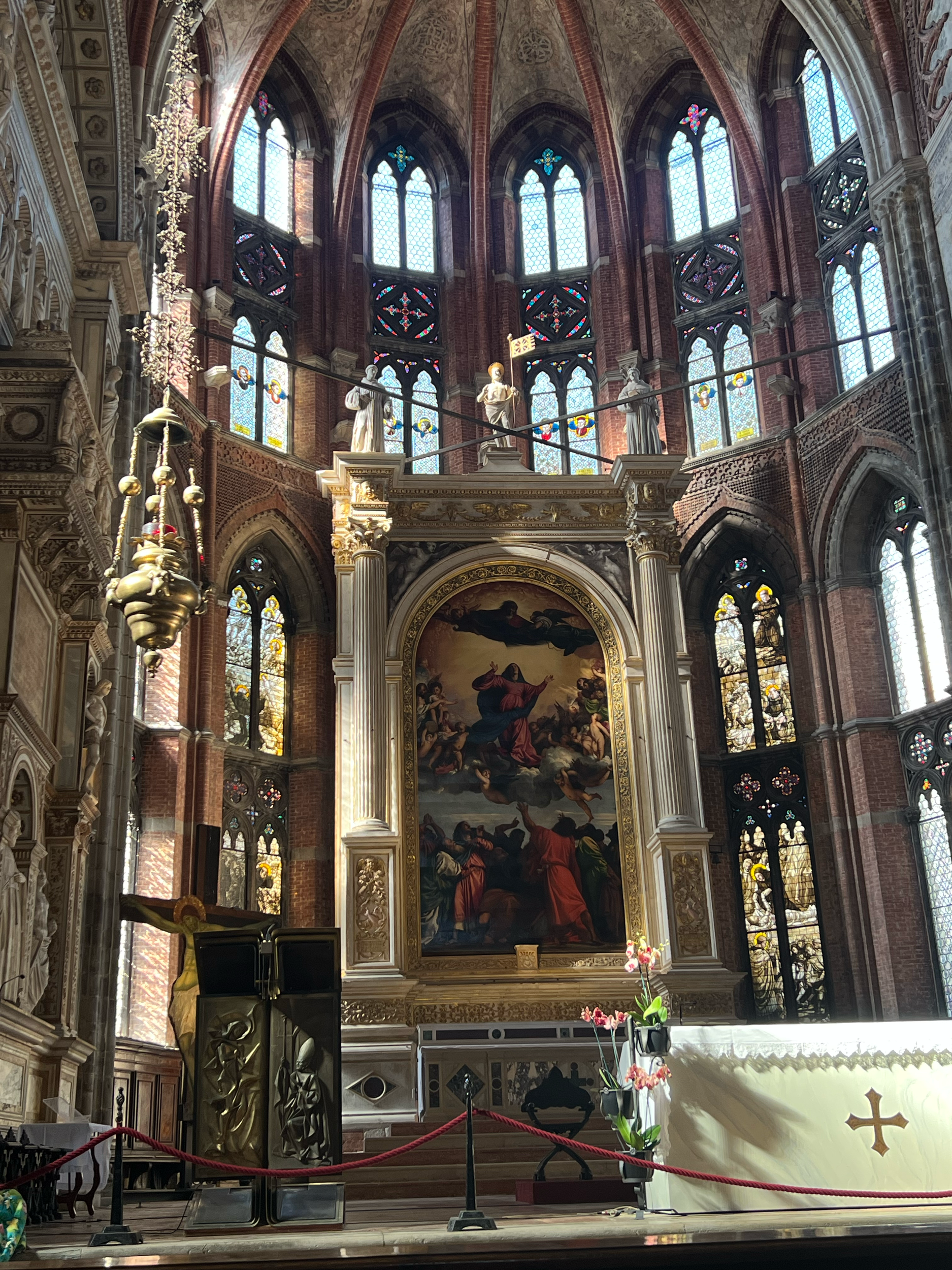
The Frari and Titian's Assumption of the Virgin
The painting that brought me to Venice in the first place — and my experience of encountering it in the extraordinary setting for which Titian created it. See blog post here
The Accademia: Learning to See the Venetian Renaissance
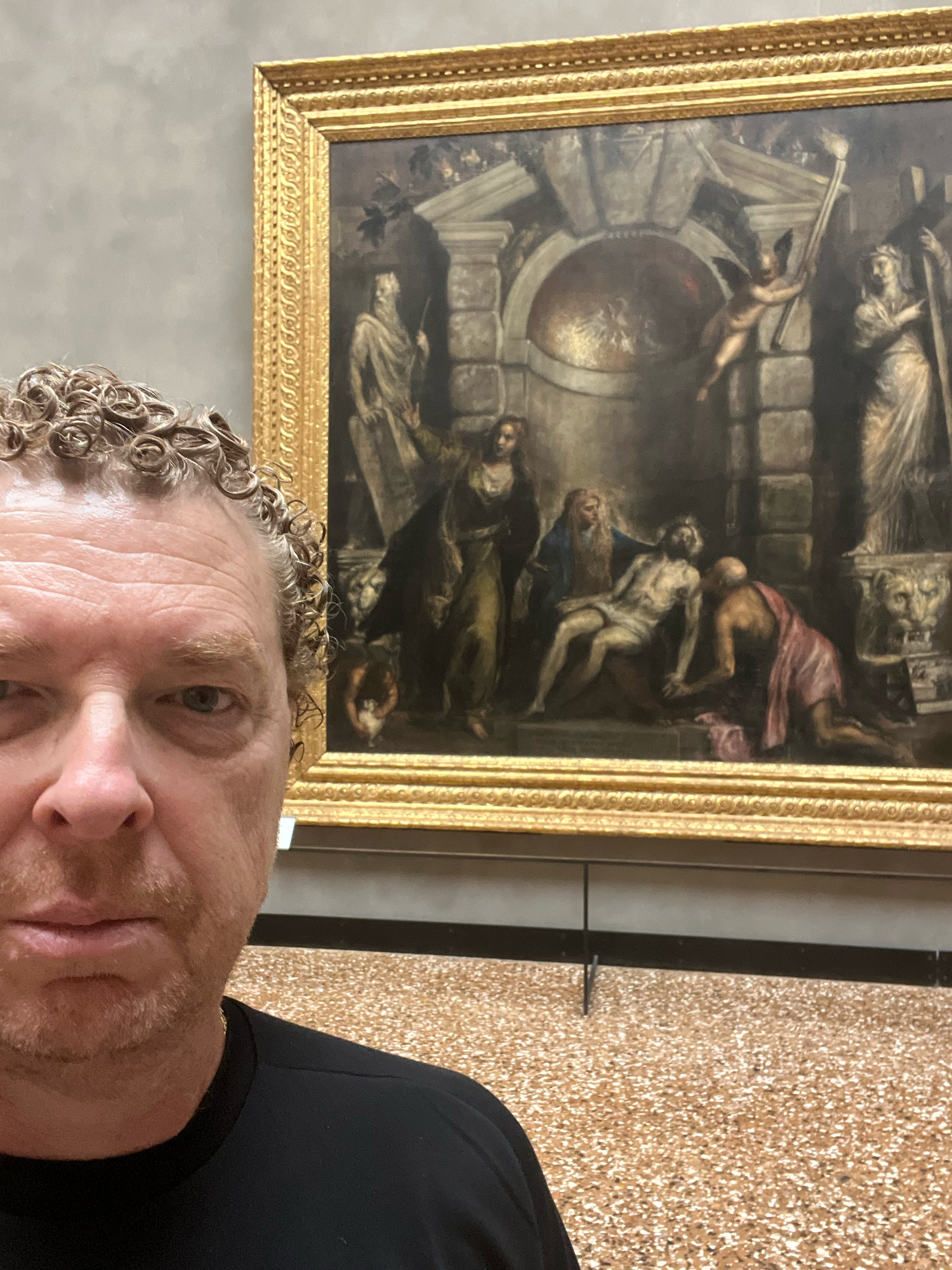
A closer look at the different artists and styles I encountered at the Accademia, and how spending time with the paintings began to reveal the distinctive character of Venetian Renaissance art. See blog post here.
Where the Art Belongs: Venice's Churches and Scuole
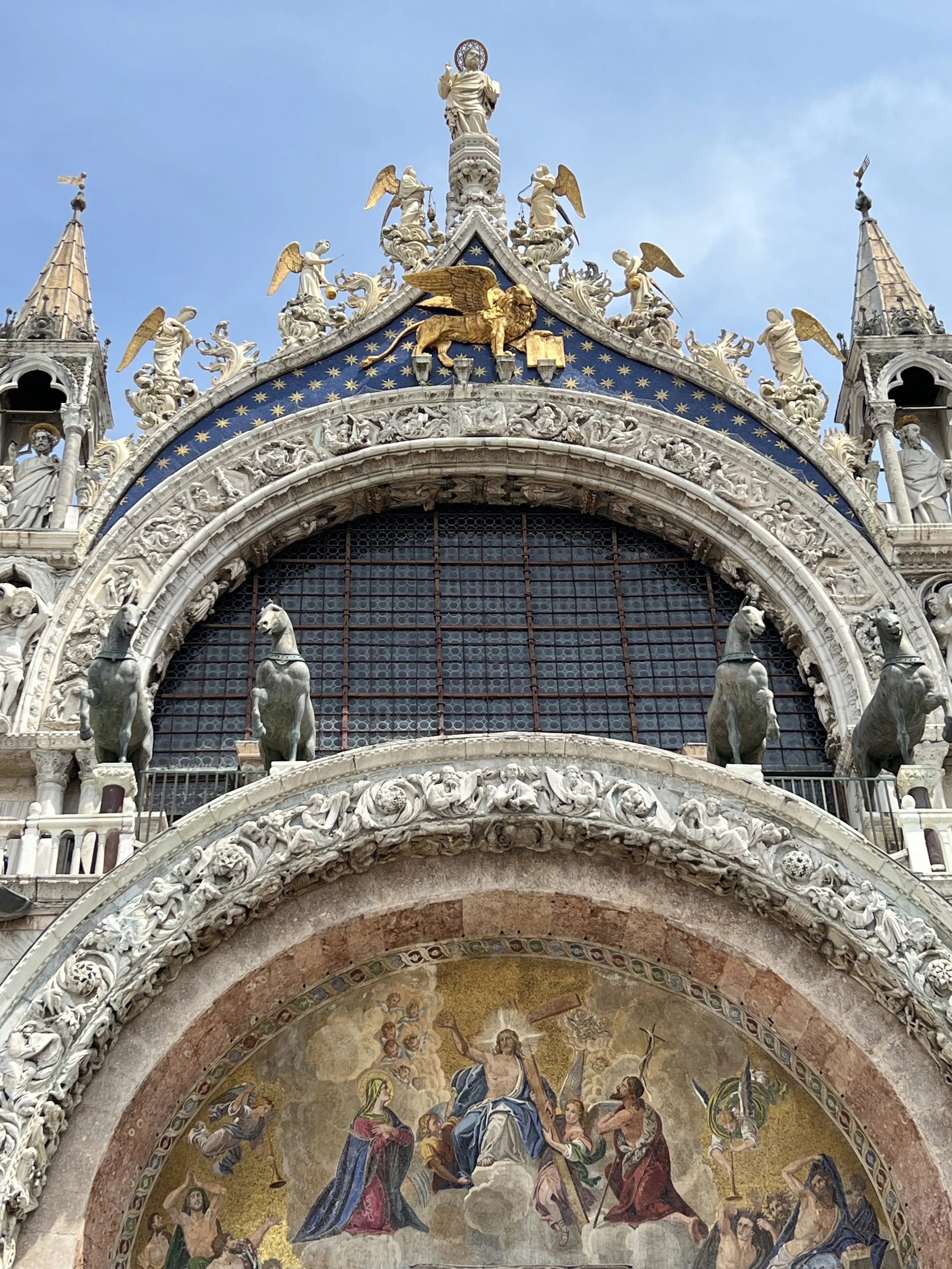
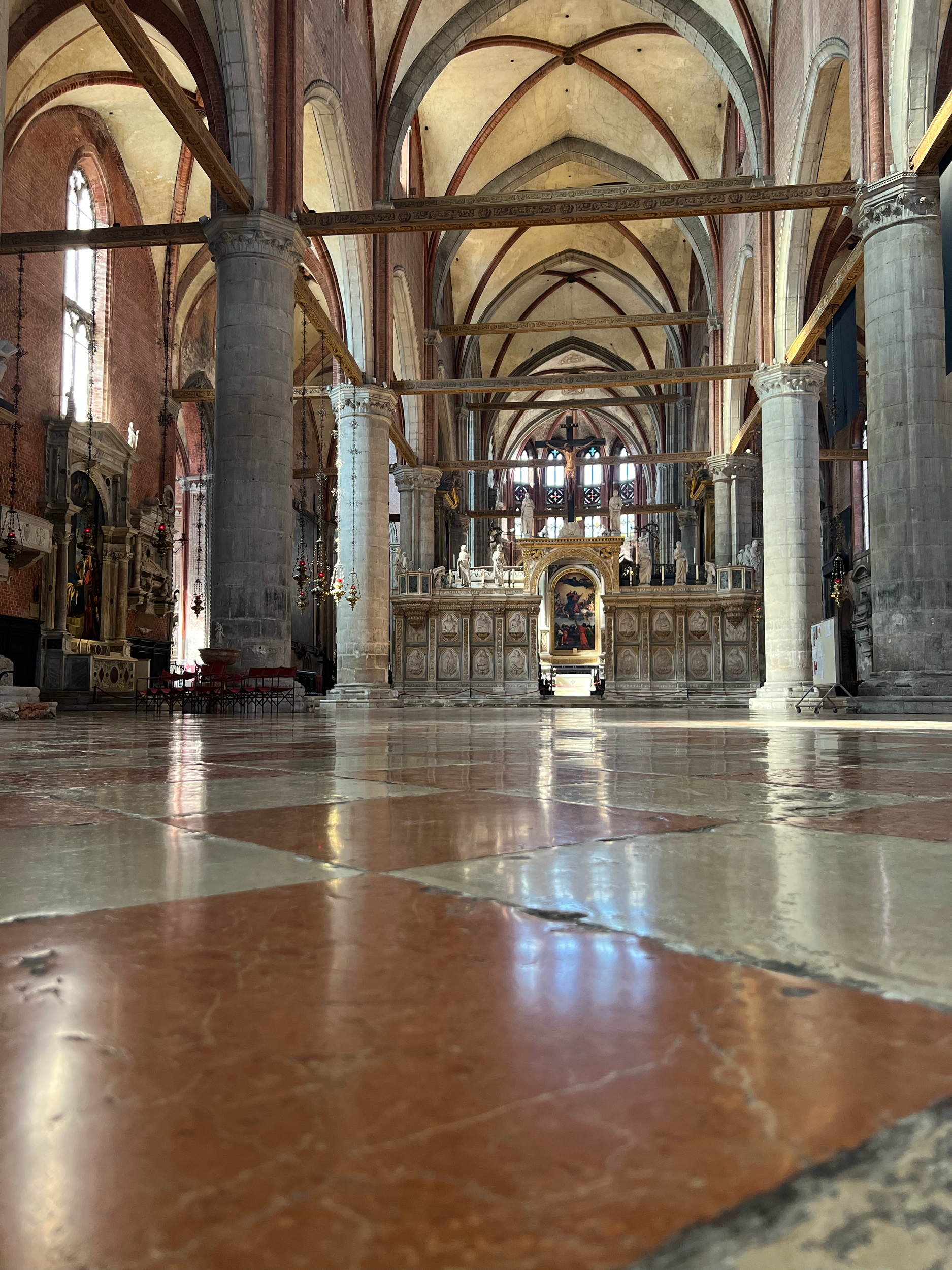
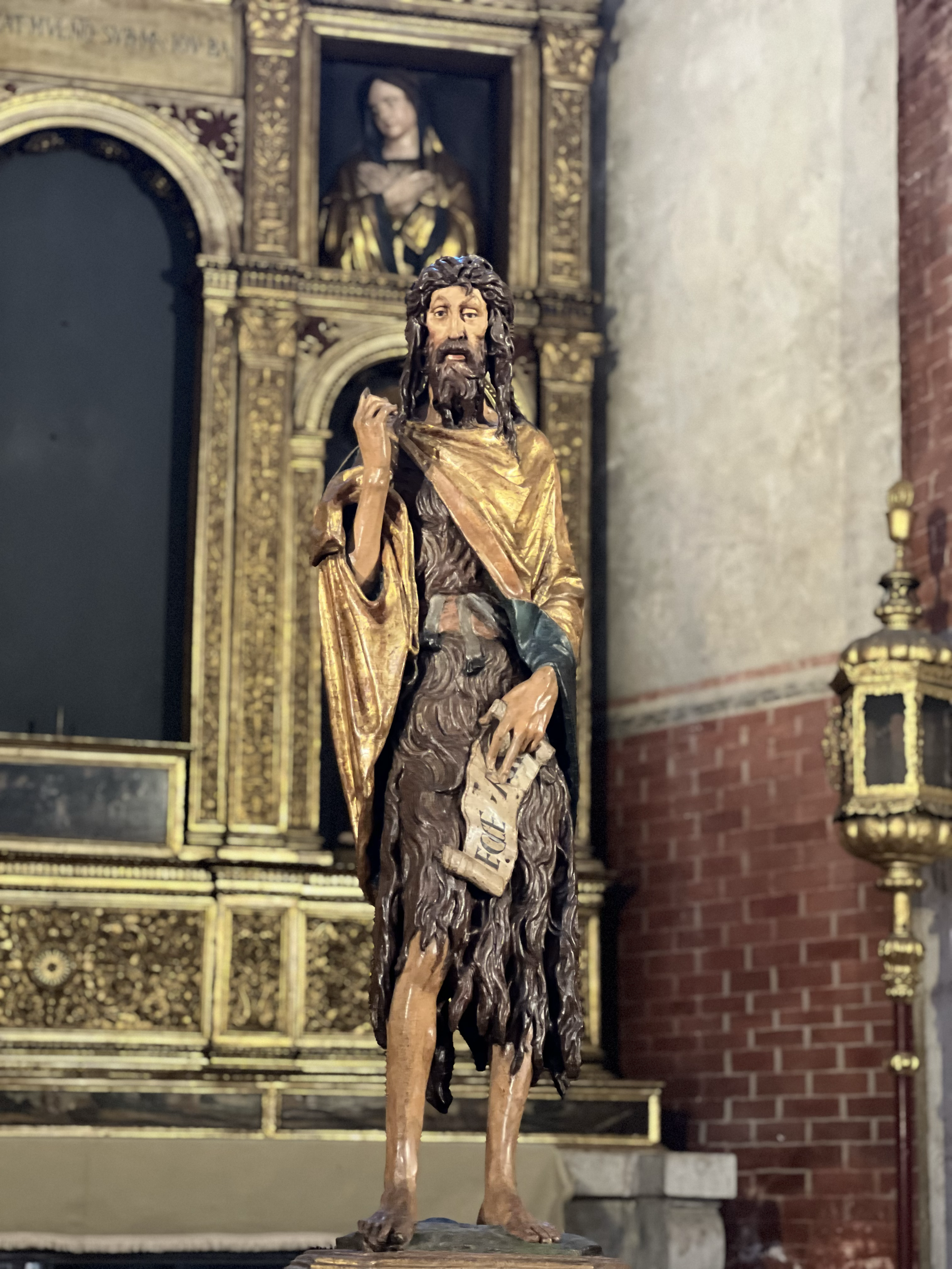
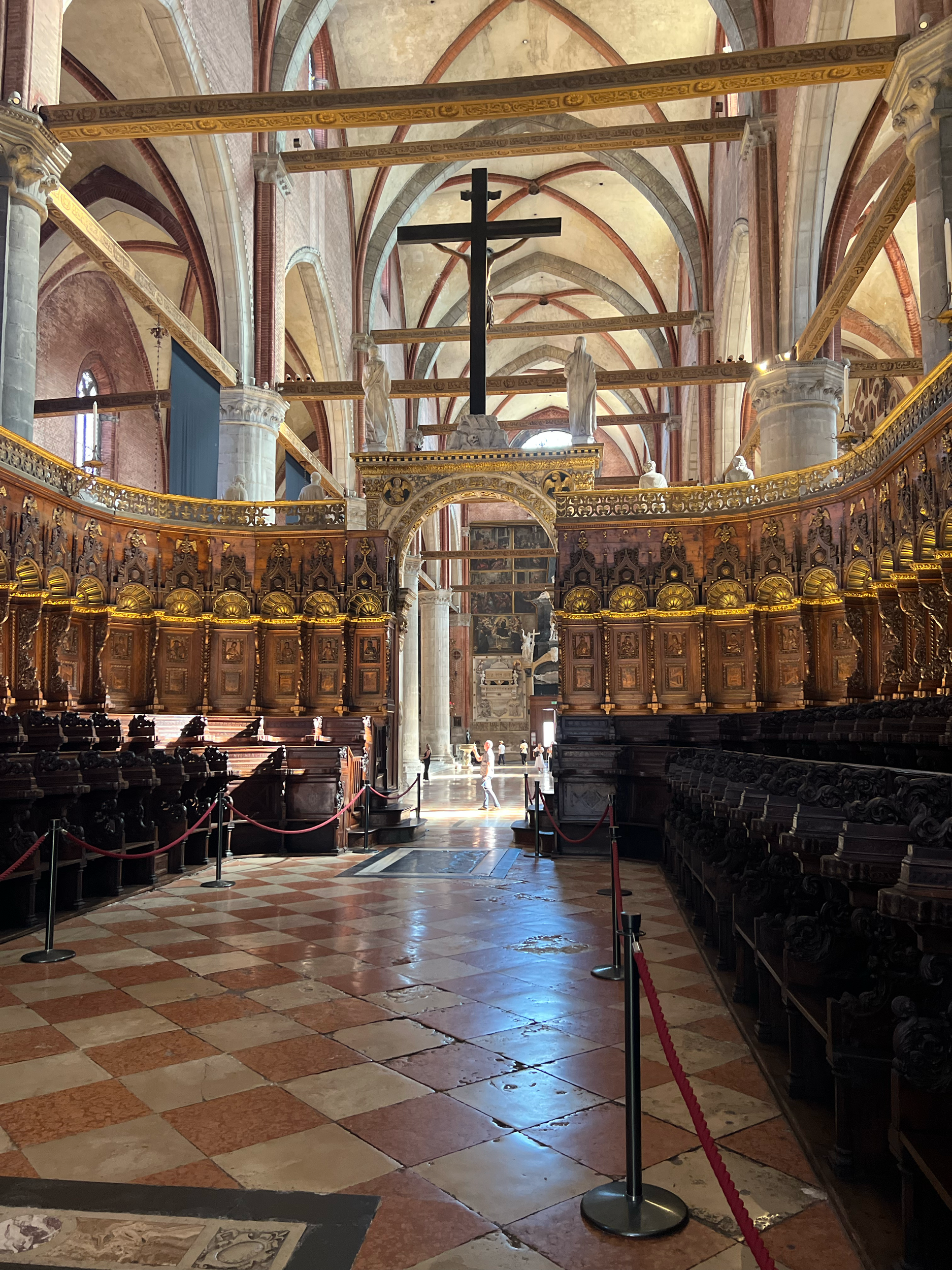
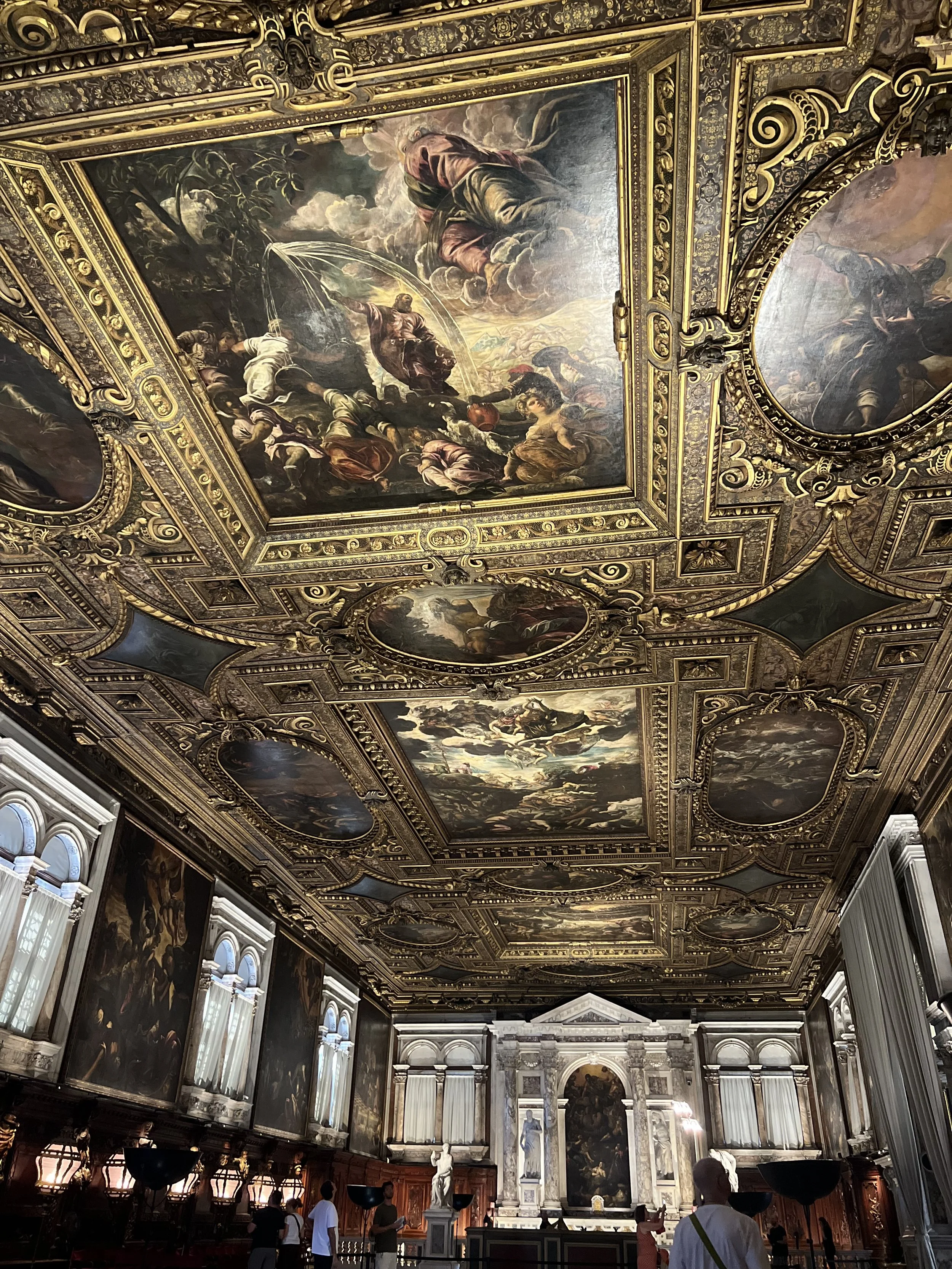
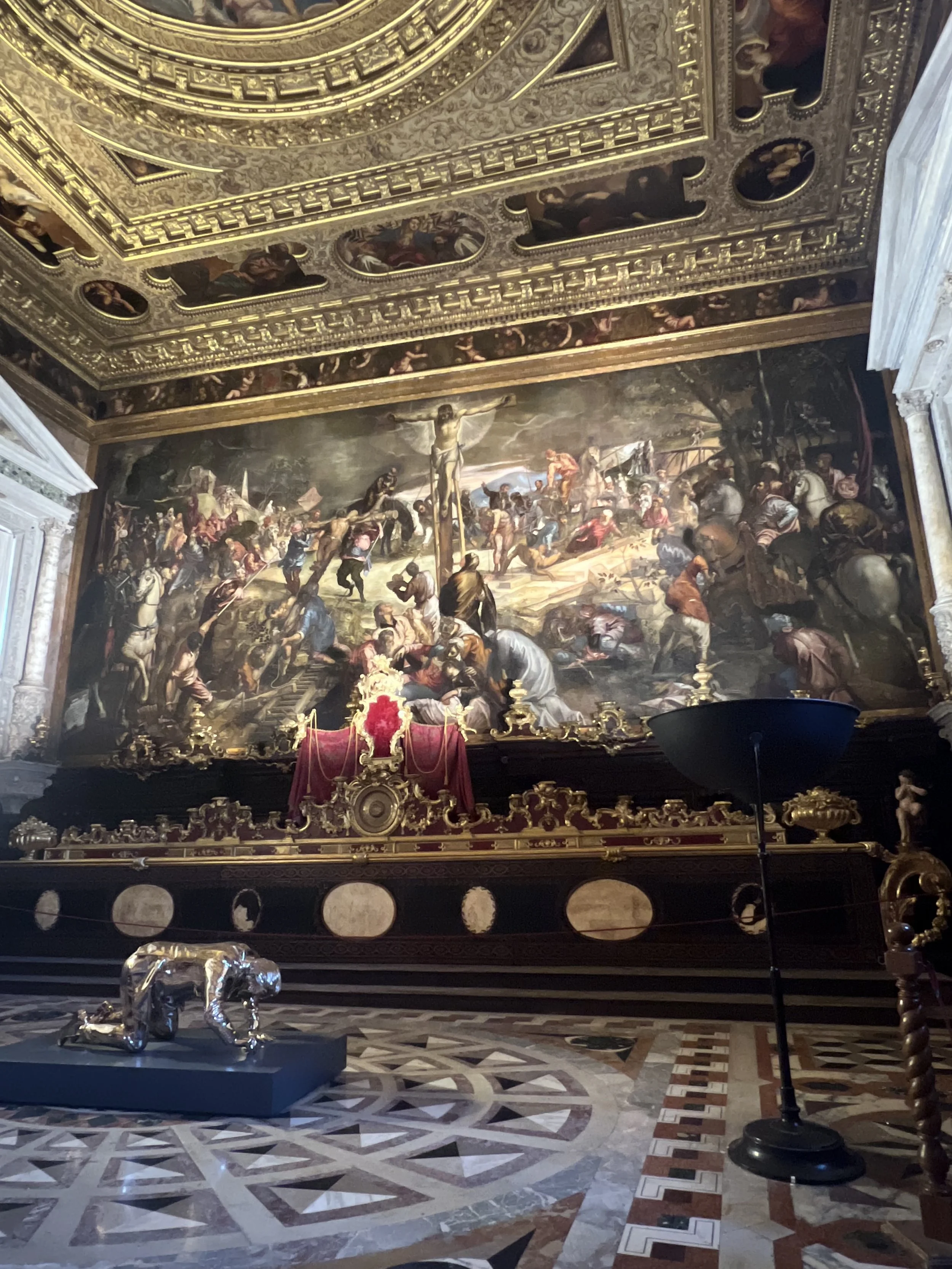
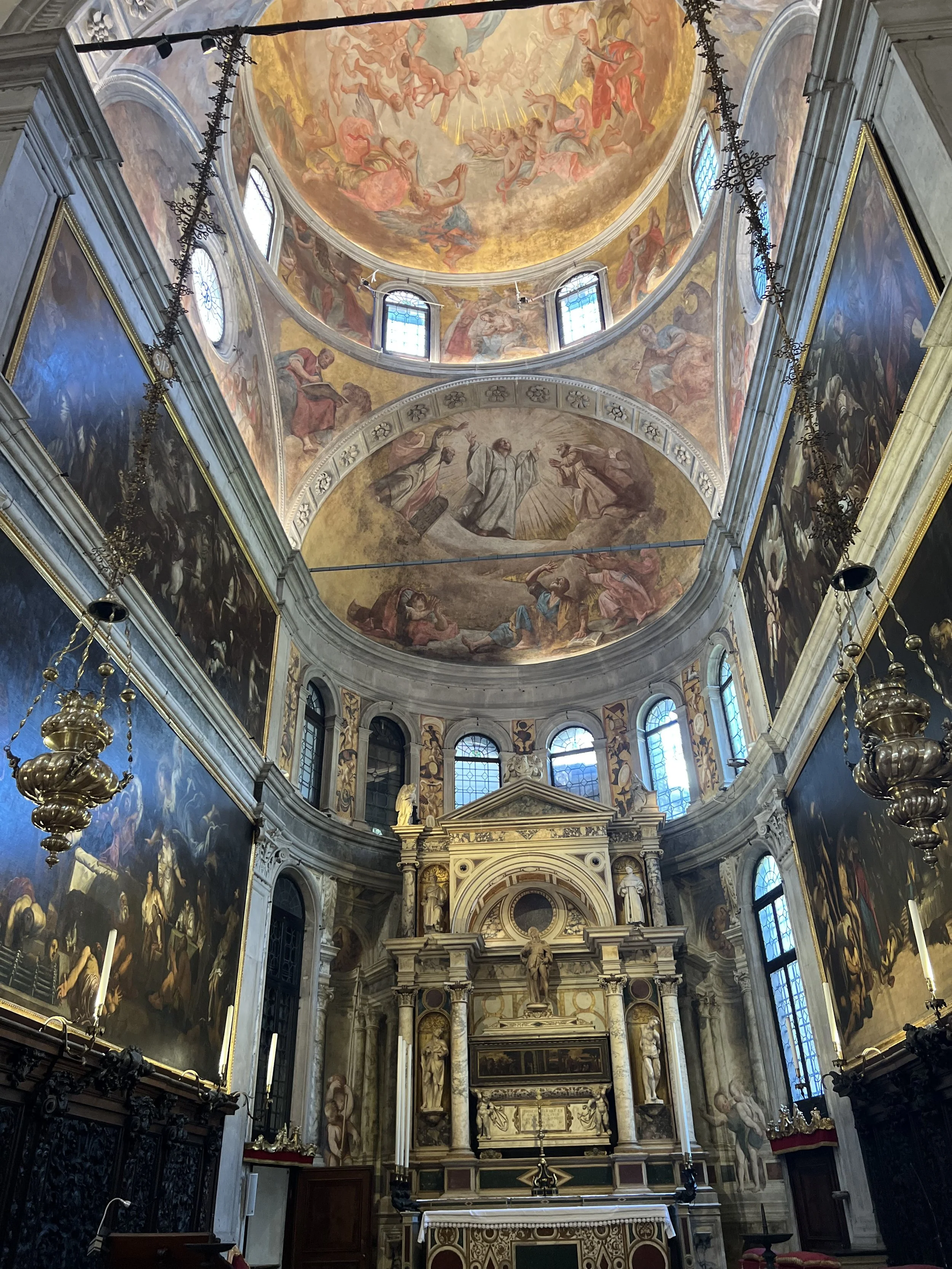
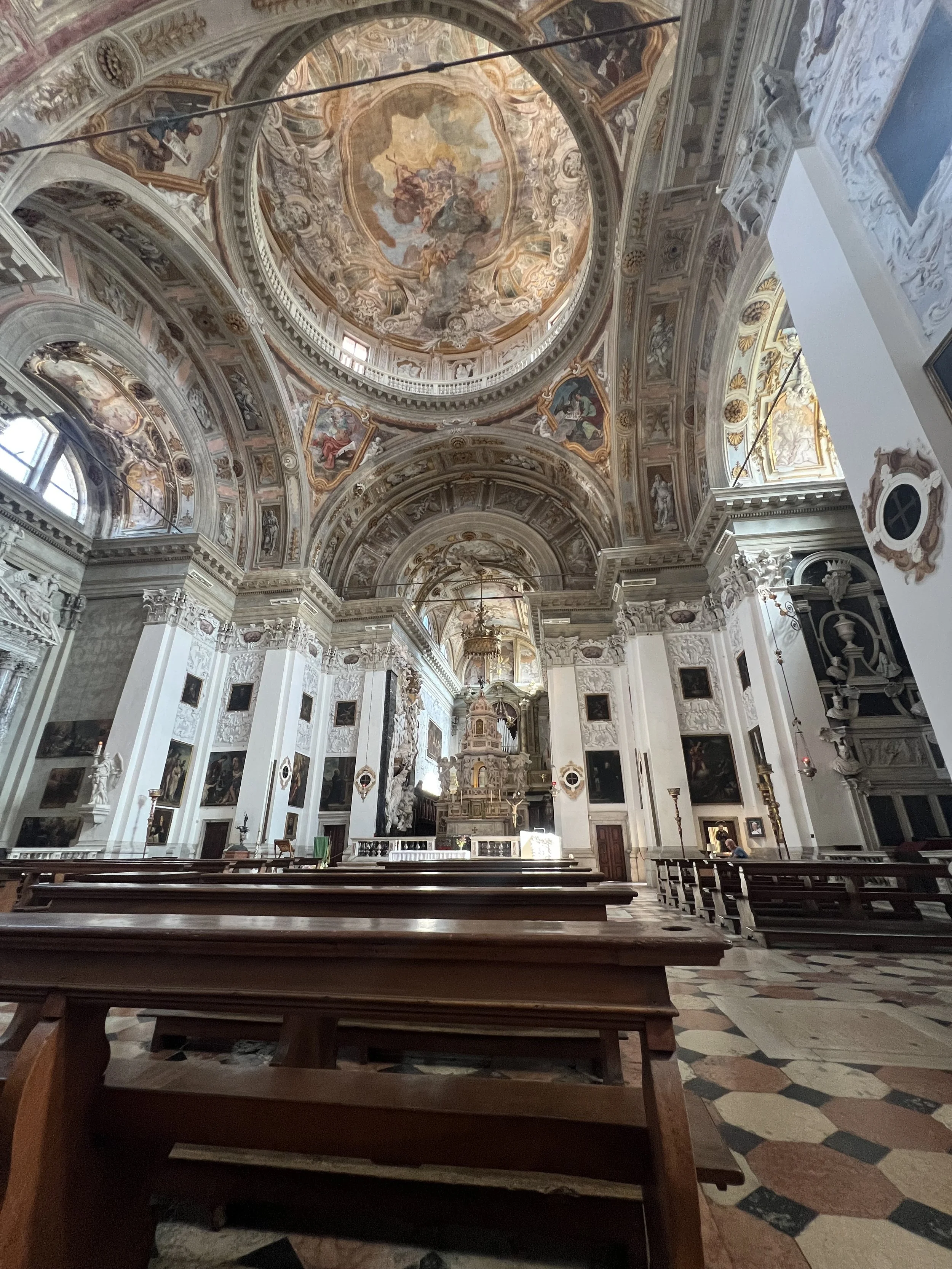
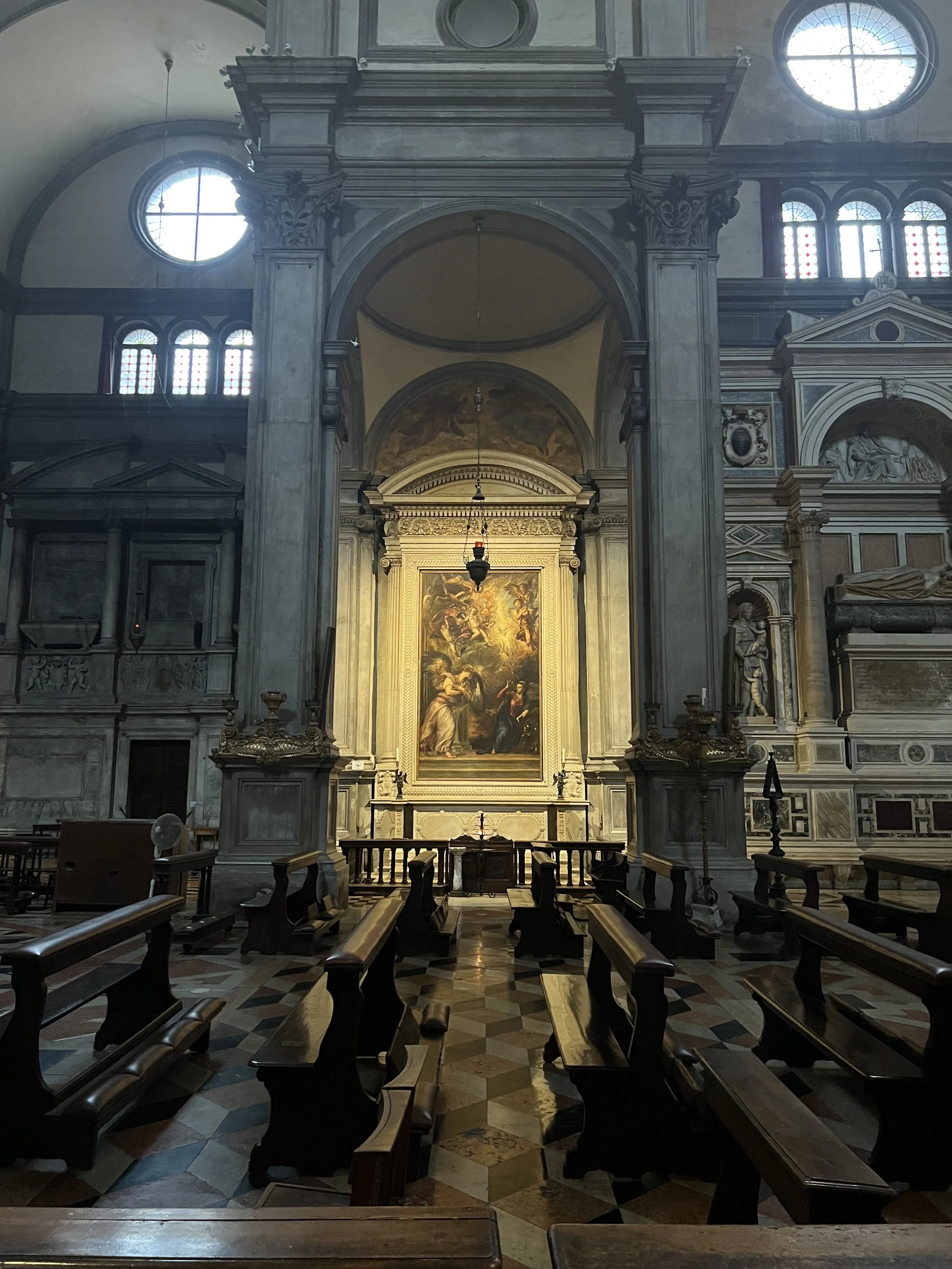
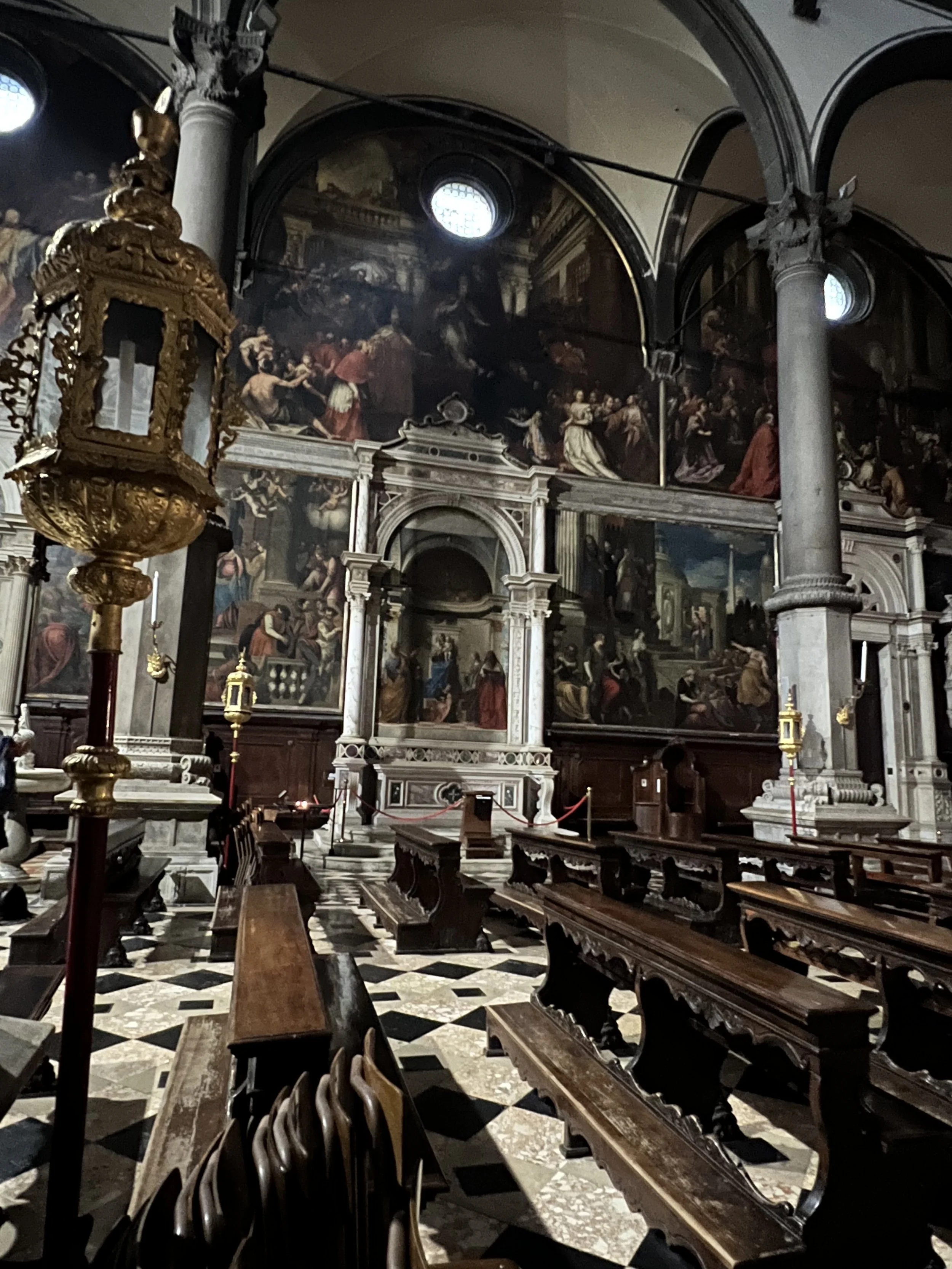
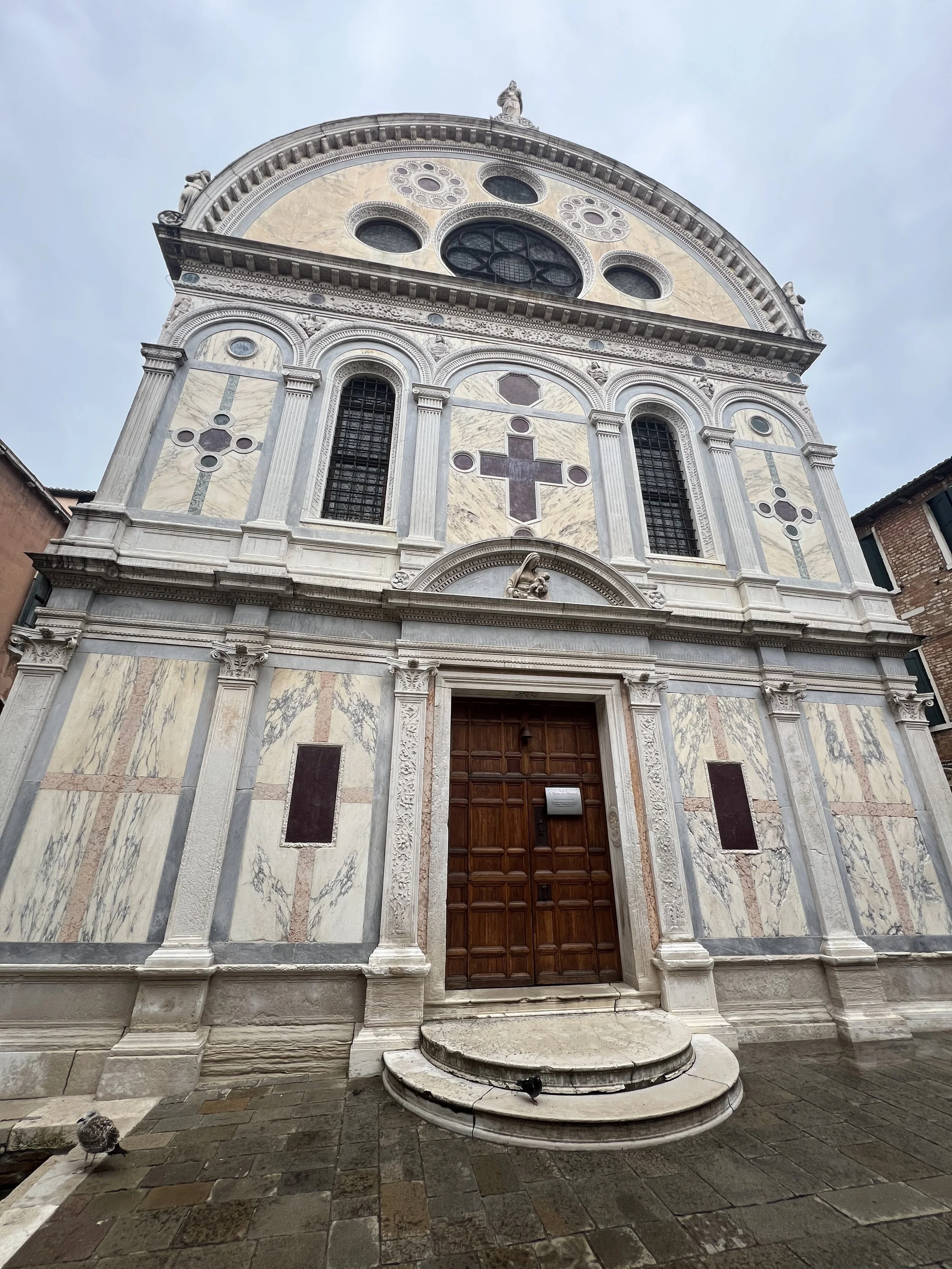
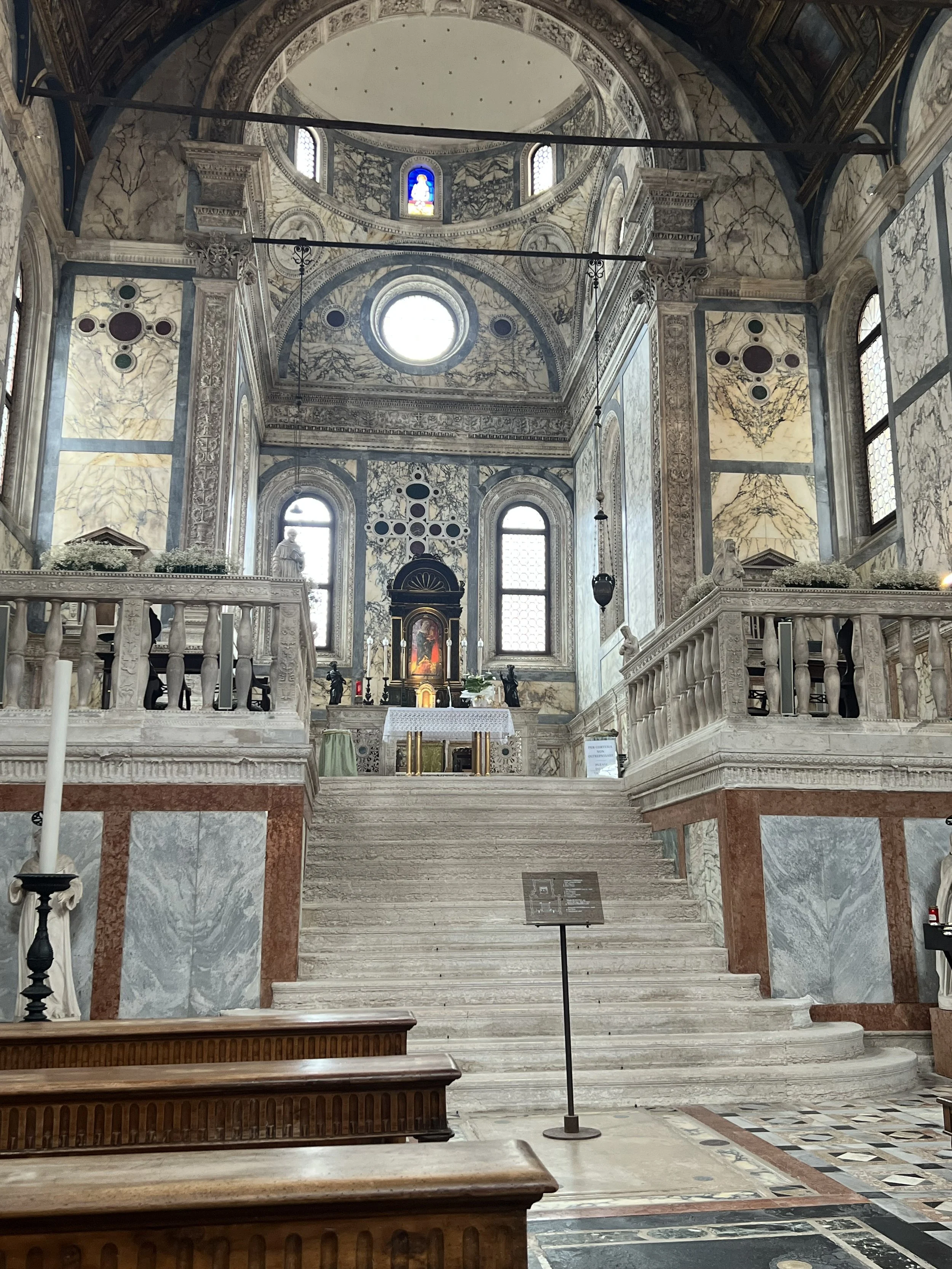
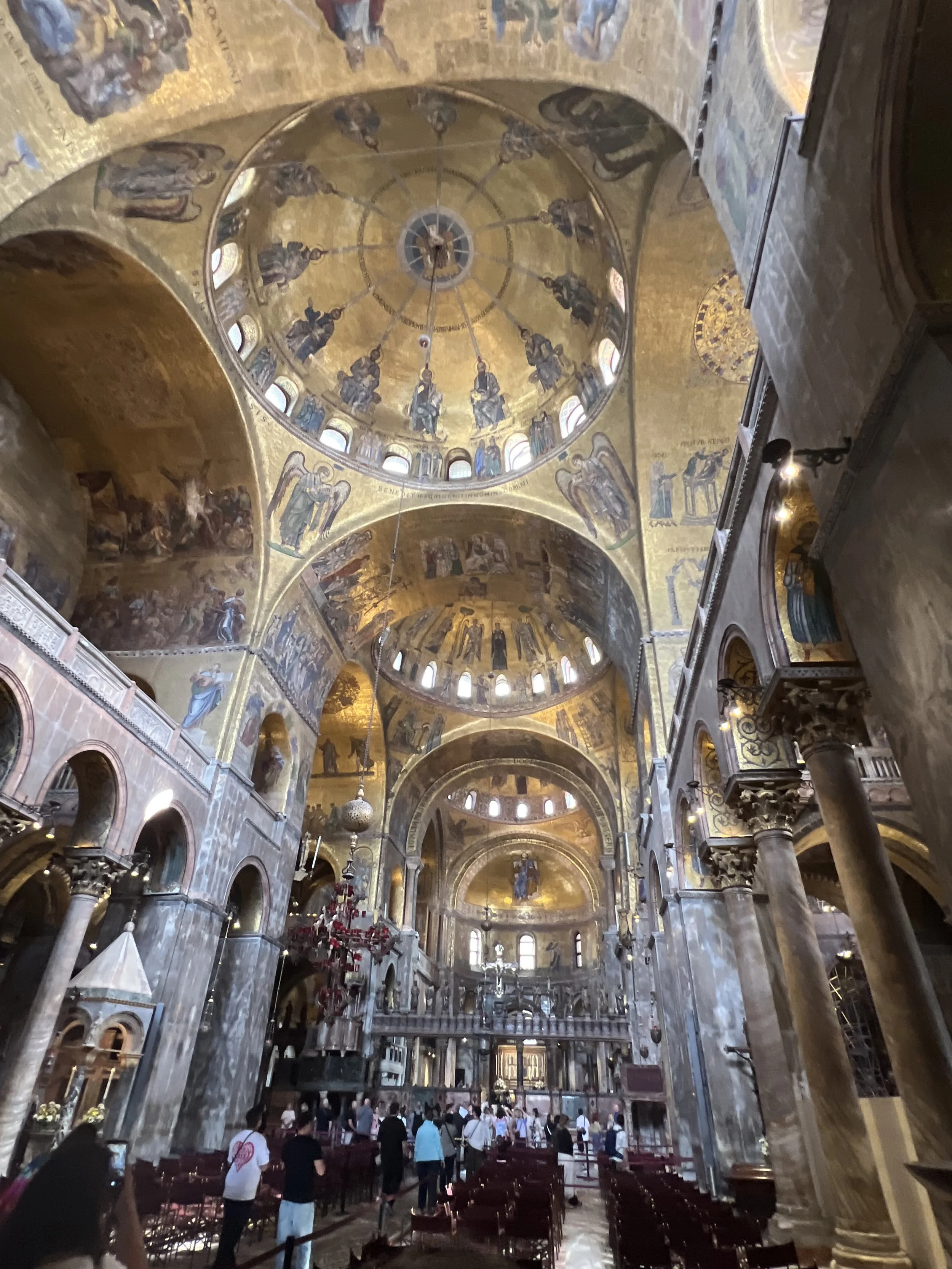
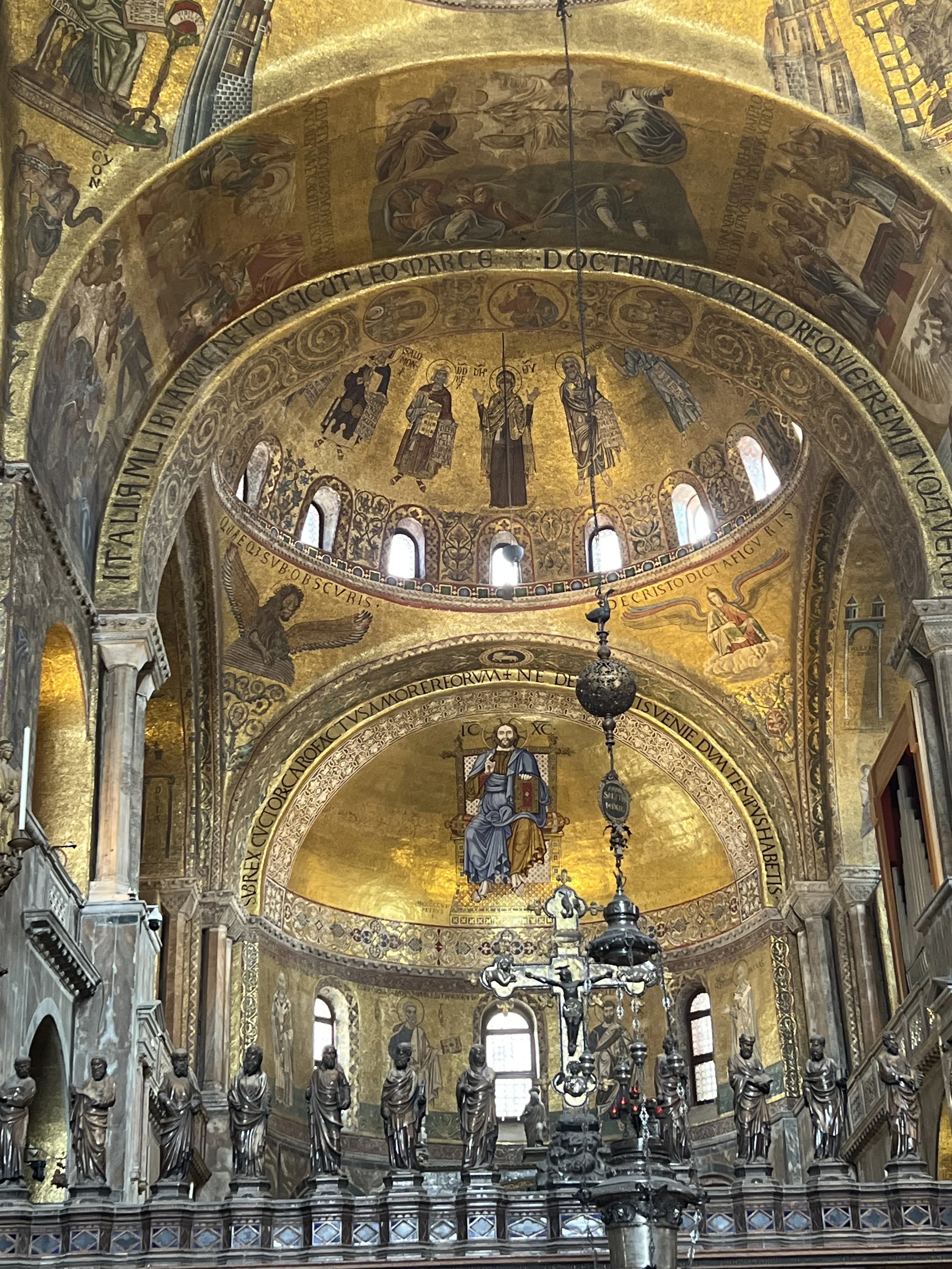
My visits to a remarkable range of Venetian churches, including San Marco, the Frari, San Zaccaria, San Zulian, San Polo, Santa Maria dei Miracoli, Chiesa di San Nicolò da Tolentino and San Sebastiano, as well as the Scuola Grande di San Rocco. Together, these places offered very different settings for experiencing Renaissance art and led me to reflect on the relationship between the artwork, its architecture, its surroundings, its purpose and the people for whom it was originally intended.
These experiences made me think differently about what it means to see Renaissance art. A painting can certainly be admired on a museum wall, but perhaps that is only part of the story. The place, the light, the architecture, the ritual and the purpose for which the work was created can fundamentally change the way we encounter it. That, ultimately, is what I was searching for in Venice — not simply to see more Renaissance art, but to understand it a little better. See blog post here.
PREVIEW: slide show of some of the highlights
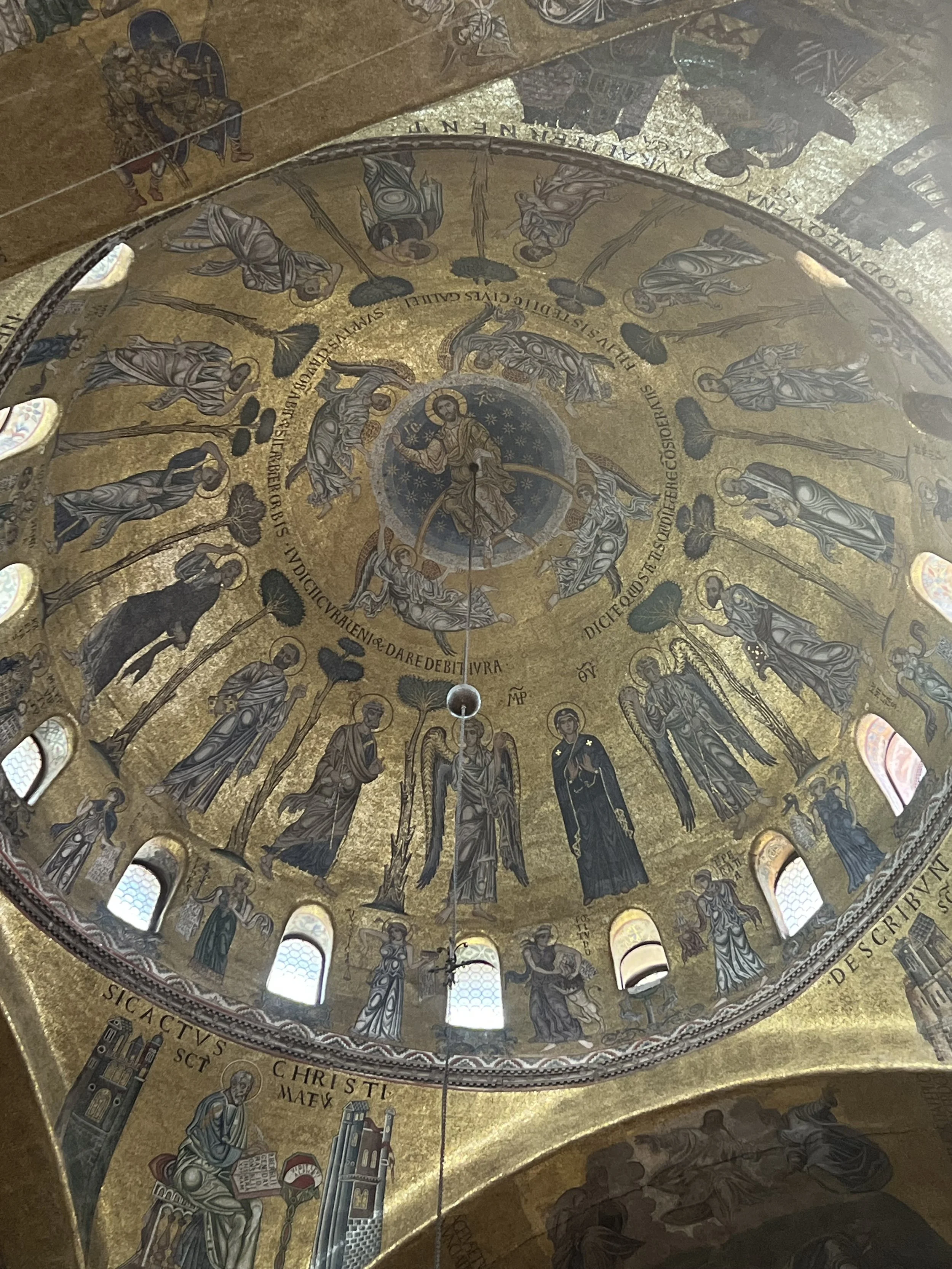
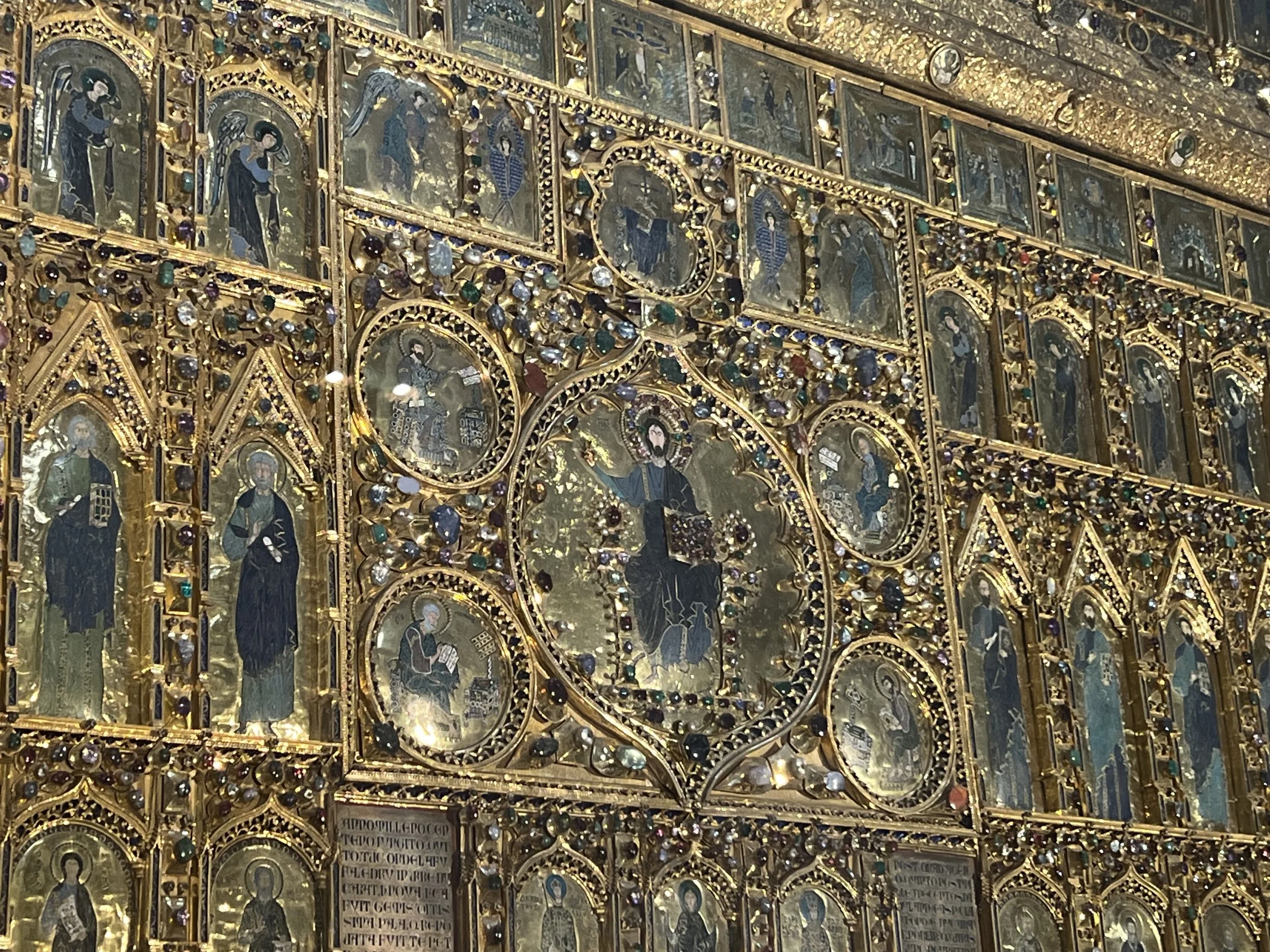
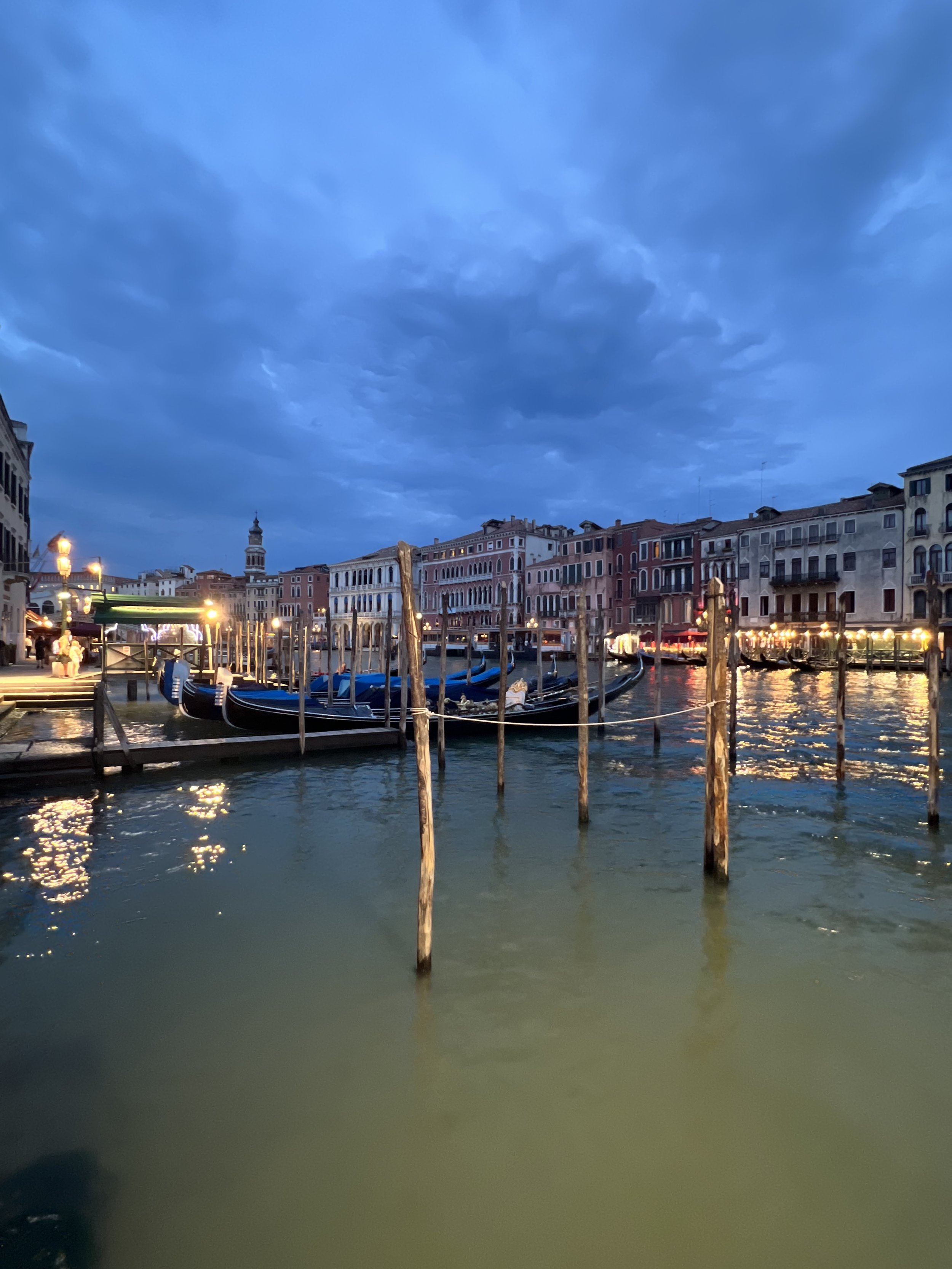
New book added to the Reading Room
August 10, 2026
A Step Further Back: Discovering Petrarch
One of the things I wanted to do with The Renaissance Blueprint was to occasionally step further back in time - to look beyond the great artists and masterpieces and try to understand some of the ideas and individuals that helped create the spirit of the Renaissance in the first place. I had read that Petrarch is sometimes described as the “Father of the Renaissance,” and that description made me curious.
What exactly had he done to earn such an extraordinary title? And how did a fourteenth-century poet and scholar help lay the intellectual foundations for what would become the Renaissance? Christopher Celenza’s Petrarch: Everywhere a Wanderer seemed like an ideal place to start. It is an accessible introduction to Petrarch's life and ideas, and, more importantly, it helped me understand why the Renaissance was about much more than a renewed interest in beautiful art—it was also about a profound change in the way people thought about the past, learning and themselves.
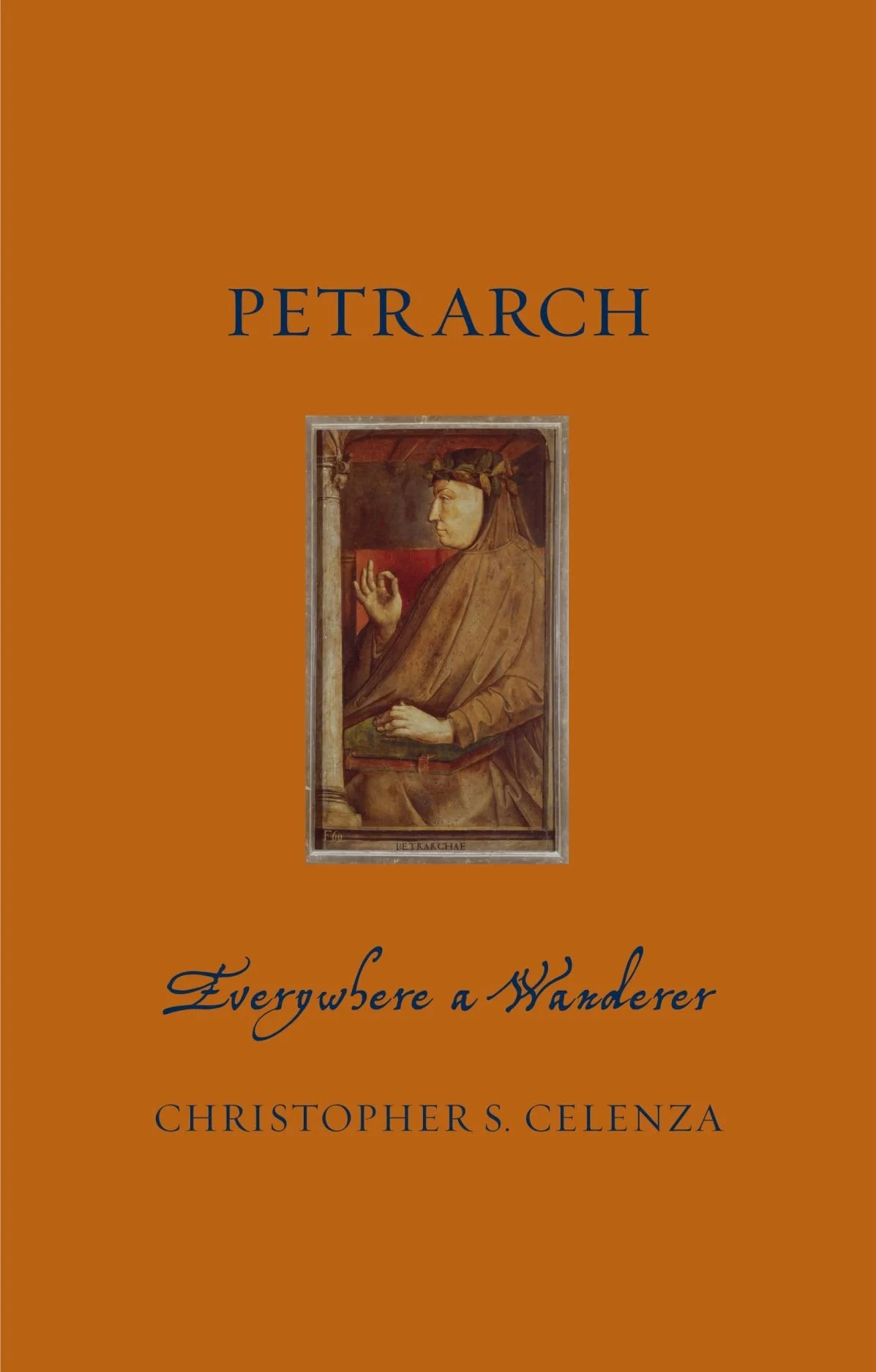
New book added to the Reading Room
August 1, 2026
I have added a review of a new book by one of my favourite art historians, William E. Wallace. In Michelangelo & Titian: A Tale of Rivalry & Genius, Wallace makes a compelling case that the relationship between these two Renaissance giants was not simply one of Michelangelo influencing Titian. Instead, he shows that the influence flowed in both directions.
What I found most thought-provoking is Wallace's argument that Michelangelo—often portrayed as the untouchable artistic ideal—was also inspired and challenged by encounters with Titian's work. Rather than seeing Michelangelo as the sole benchmark against whom every other artist was measured, the book reveals a more dynamic and human story of artistic exchange. It reminds us that even the greatest masters learned from one another, borrowing ideas, responding to innovation, and continually refining their own vision.
For anyone interested in understanding how artistic ideas evolved during the Renaissance, this is a fascinating and rewarding read.

New books added to the Reading Room
July 27, 2026
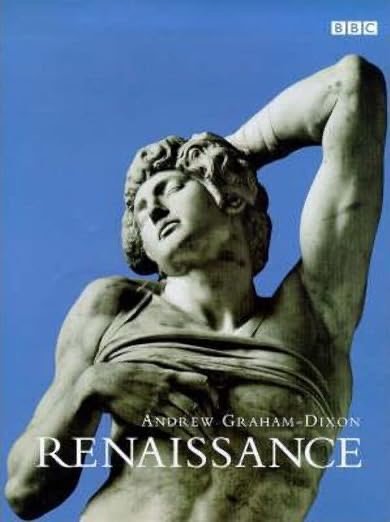
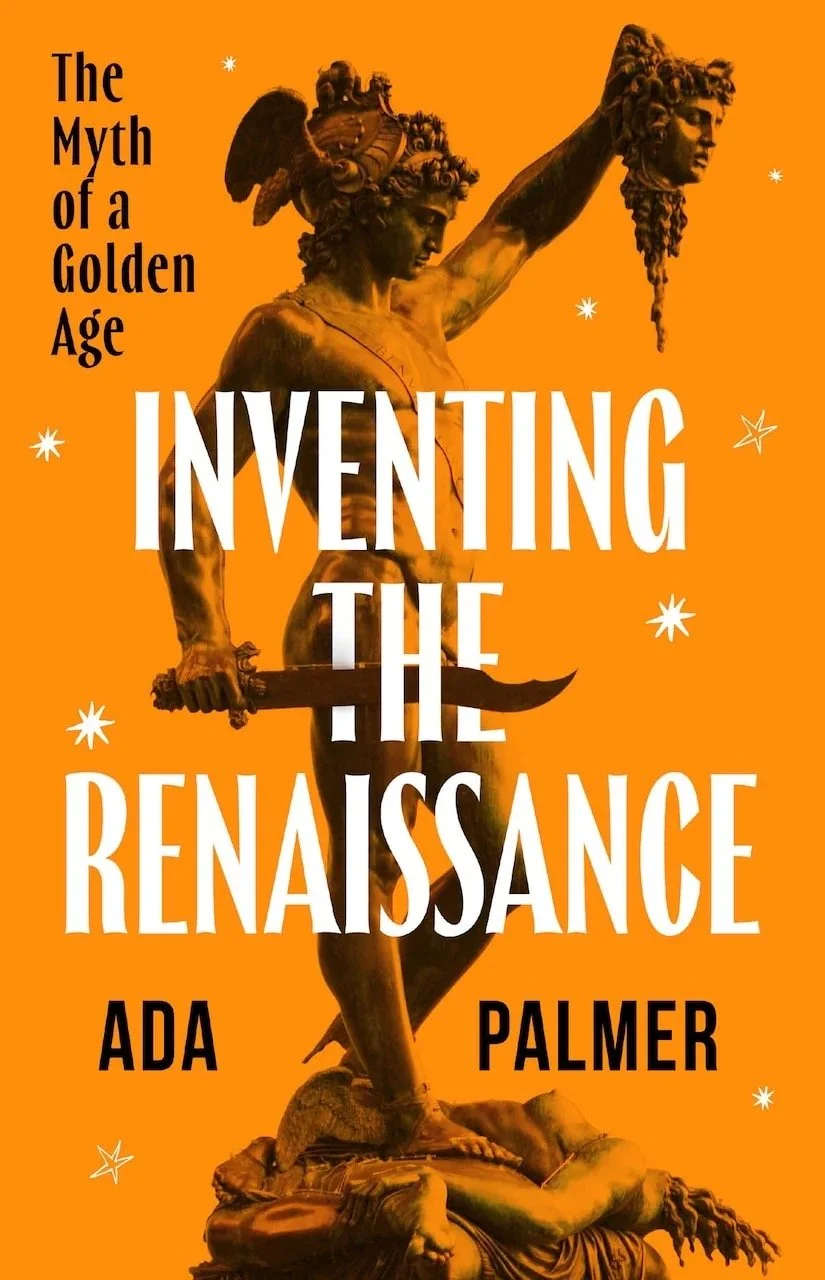
I have added two books to the Reading Room: Renaissance by Andrew Graham‑Dixon, a vivid and accessible survey of the period’s art and culture, and Inventing the Renaissance: The Myth of a Golden Age by Ada Palmer, a thought‑provoking and meticulously argued study that challenges many common assumptions about how to interpret the era.