Michelangelo Buonarroti
Biography
Michelangelo Buonarroti (1475–1564) was an Italian sculptor, painter, architect, and poet whose work epitomized the ideals of the High Renaissance. Renowned for masterpieces such as the sculptures David and Pieta, and the ceiling frescoes of the Sistine Chapel, Michelangelo's artistry combined technical precision with profound emotional expression. His innovative approach to human anatomy and perspective significantly influenced the course of Western art. Beyond sculpture and painting, his architectural contributions, notably the design of St. Peter’s Basilica’s dome in Vatican City, further exemplify his lasting impact. Michelangelo's synthesis of art and humanist ideals helped define Renaissance artistic principles, inspiring generations of artists and shaping the cultural landscape of the era.
Most significant works
Michelangelo is one of the most influential artists of the Italian High Renaissance. He created several masterpieces that have had a profound impact on art and culture. Some of his most significant works include:
David (1501–1504)
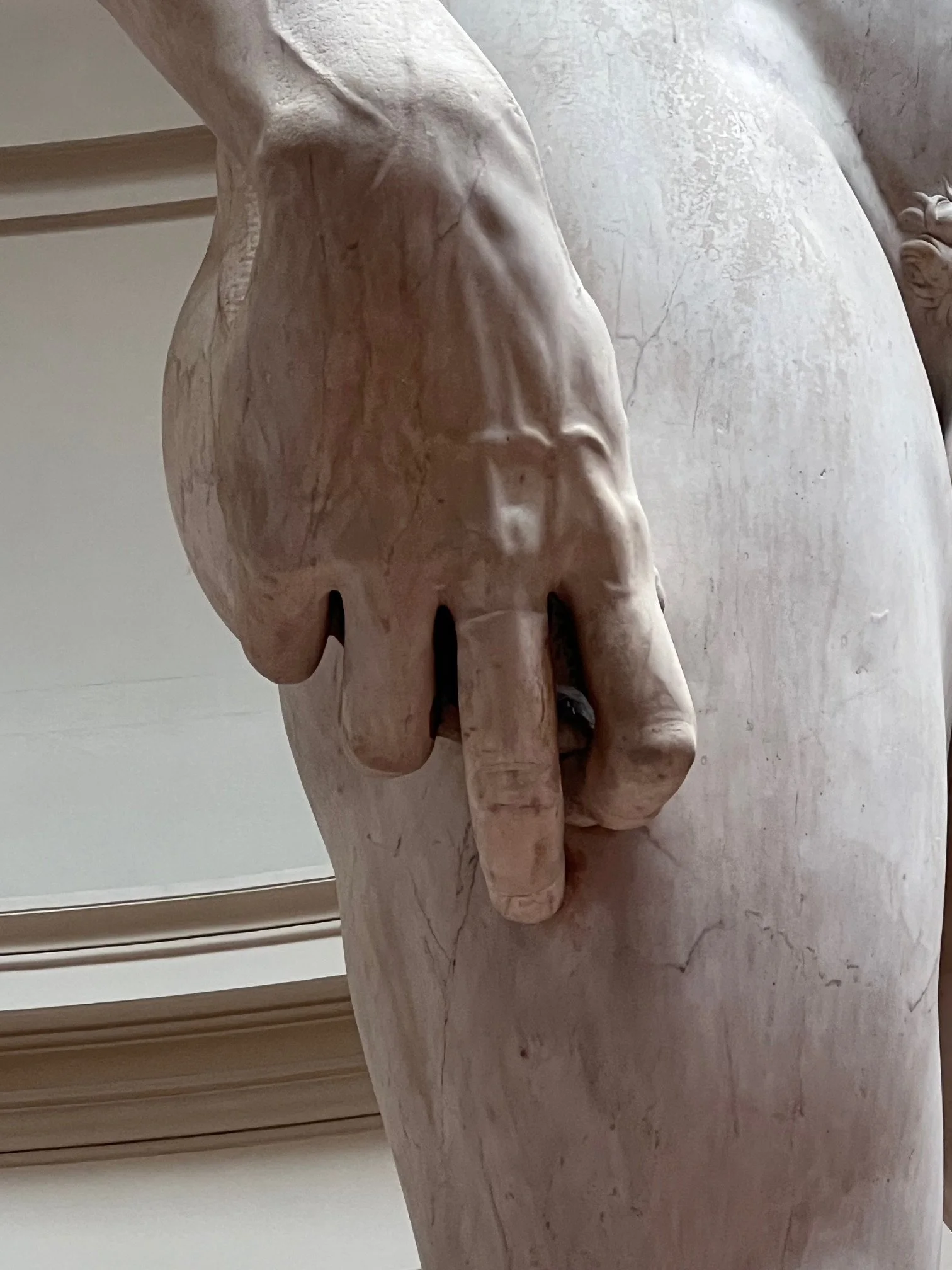
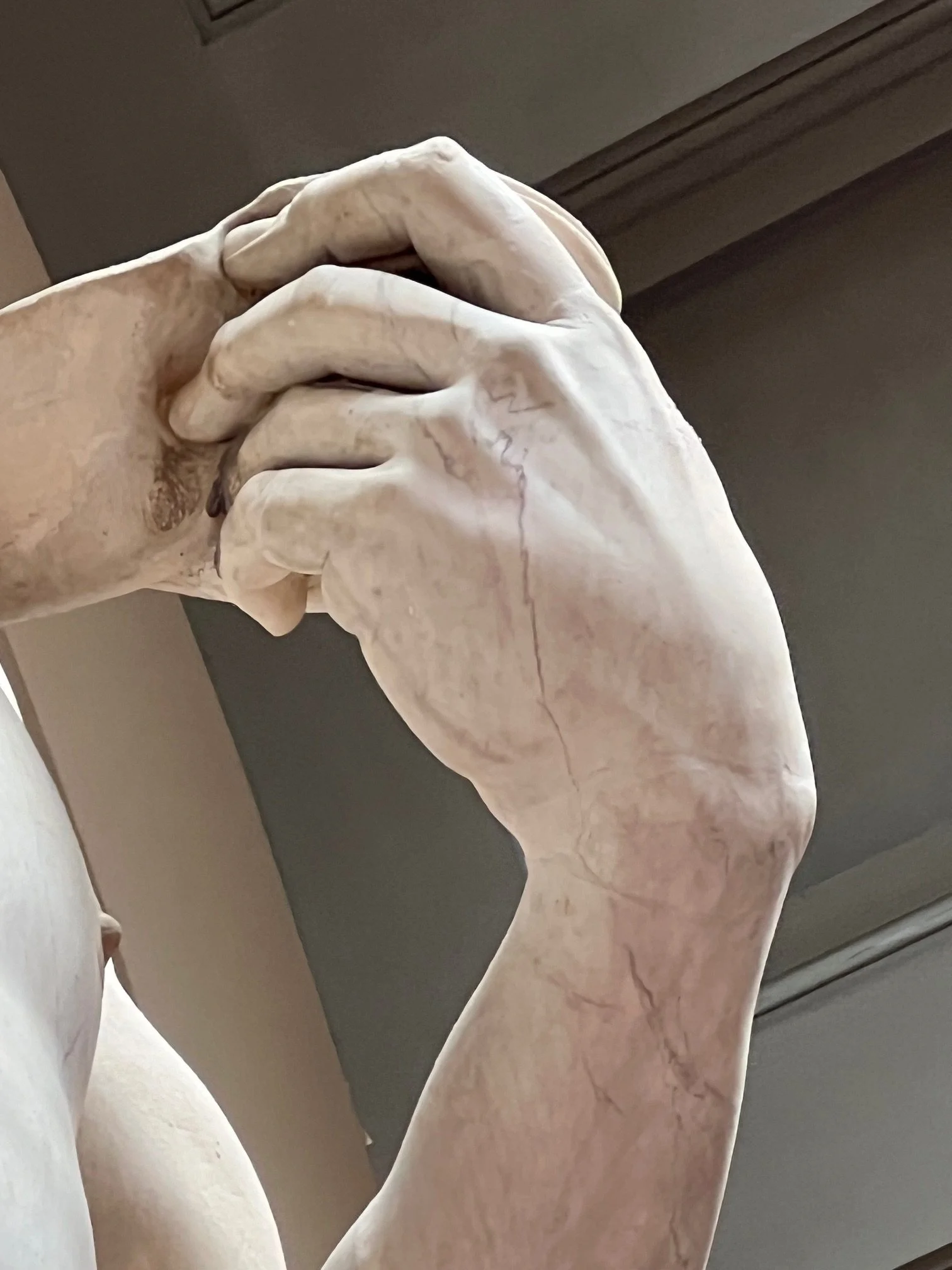
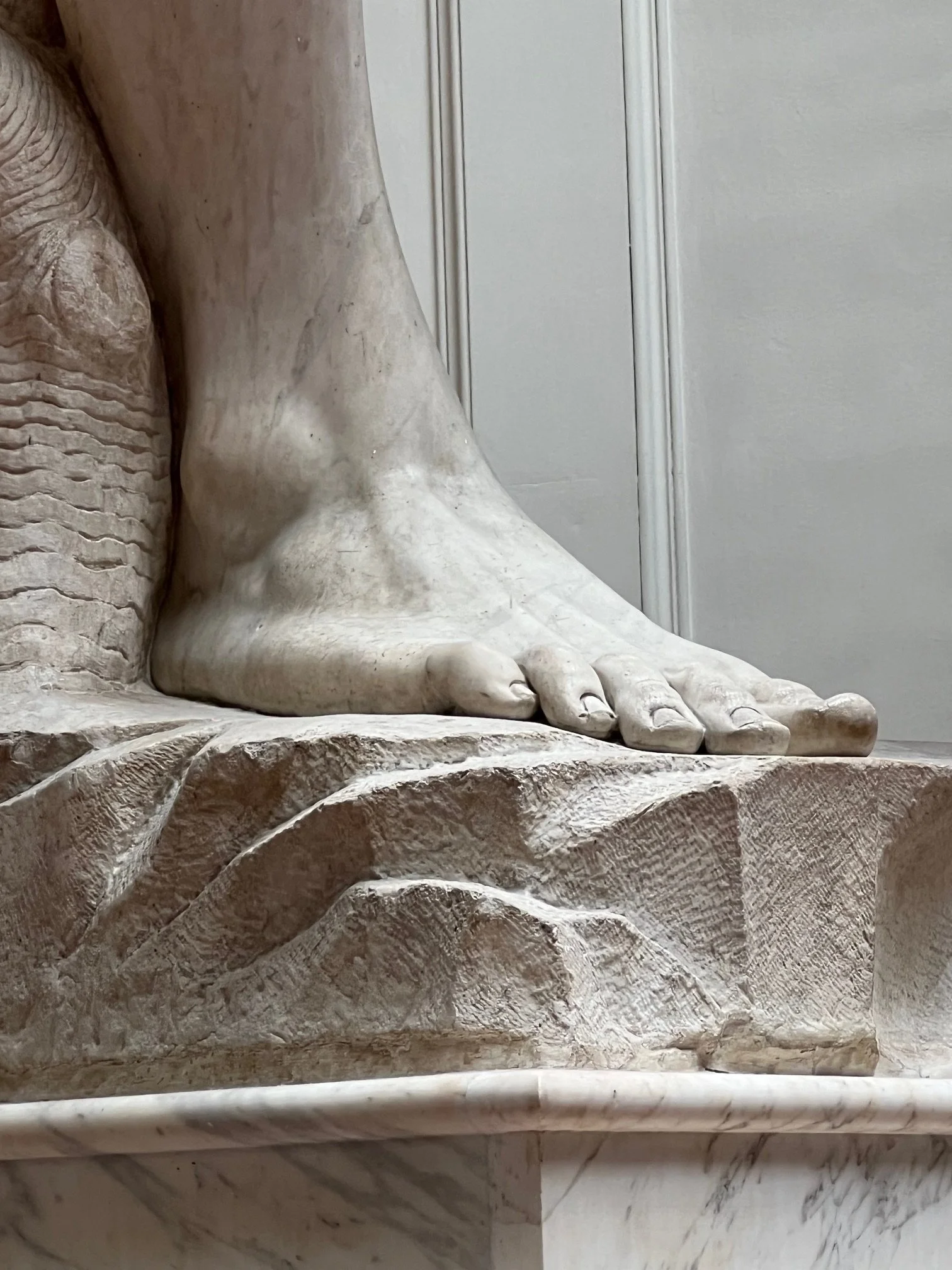
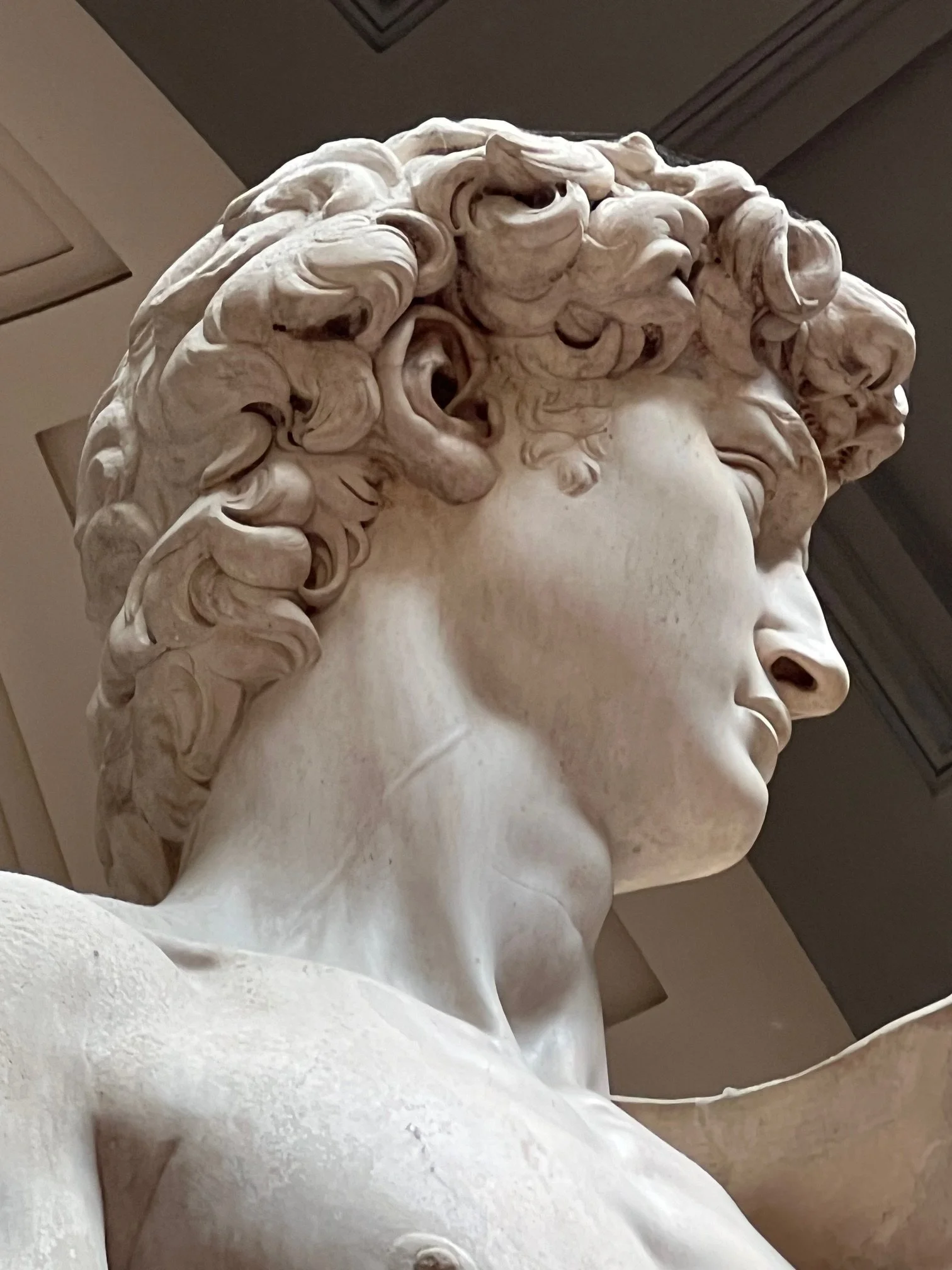
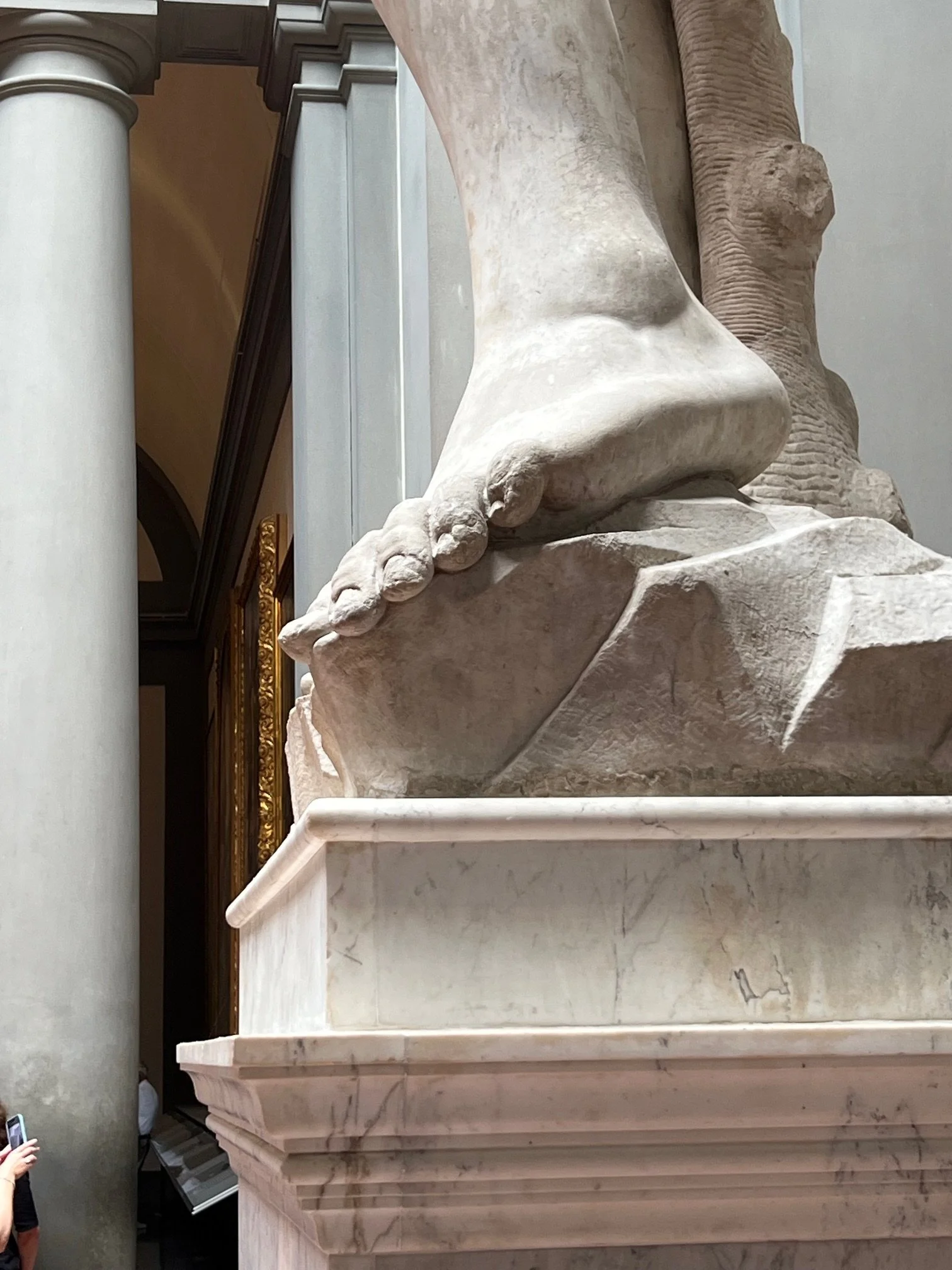
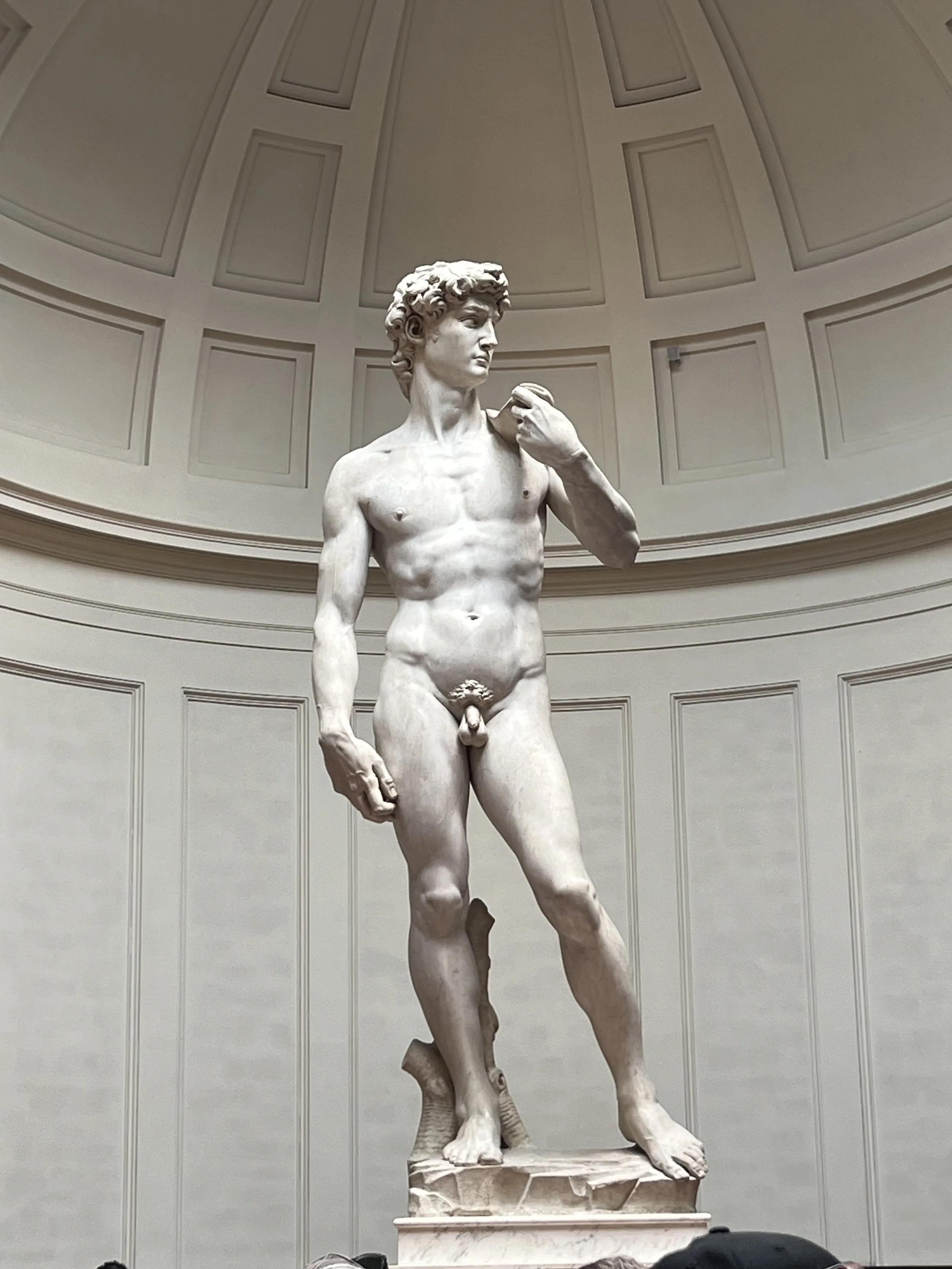
Sculpted from a single block of marble, this iconic statue represents the biblical hero David. It is celebrated for its detailed anatomy, expression of human strength, and Renaissance ideals of beauty and proportion. The statue stands as a symbol of human potential and civic pride. The original sculpture stands in the Galleria dell'Accademia in Florence, where it has been housed since 1873 to protect it from weather and damage; a replica occupies the Piazzale Michelangelo and another replica stands at the original outdoor site by the Palazzo Vecchio.
On first seeing David in person visitors are often struck by its monumental scale and the astonishing realism of musculature and anatomical detail, a mix of awe at the technical mastery and an intimate sense of confrontation as the figure’s gaze seems to challenge the viewer, while many also note the flawless marble surface that makes the statue feel both timeless and startlingly present.
The realism of the facial features and the anatomical detail give the surreal impression the sculpture is moments away from jumping into action. It really is a true marvel of artistic accomplishment. The story of its completion is equally as fascinating. Read more.
Sistine Chapel Ceiling (1508-1512)
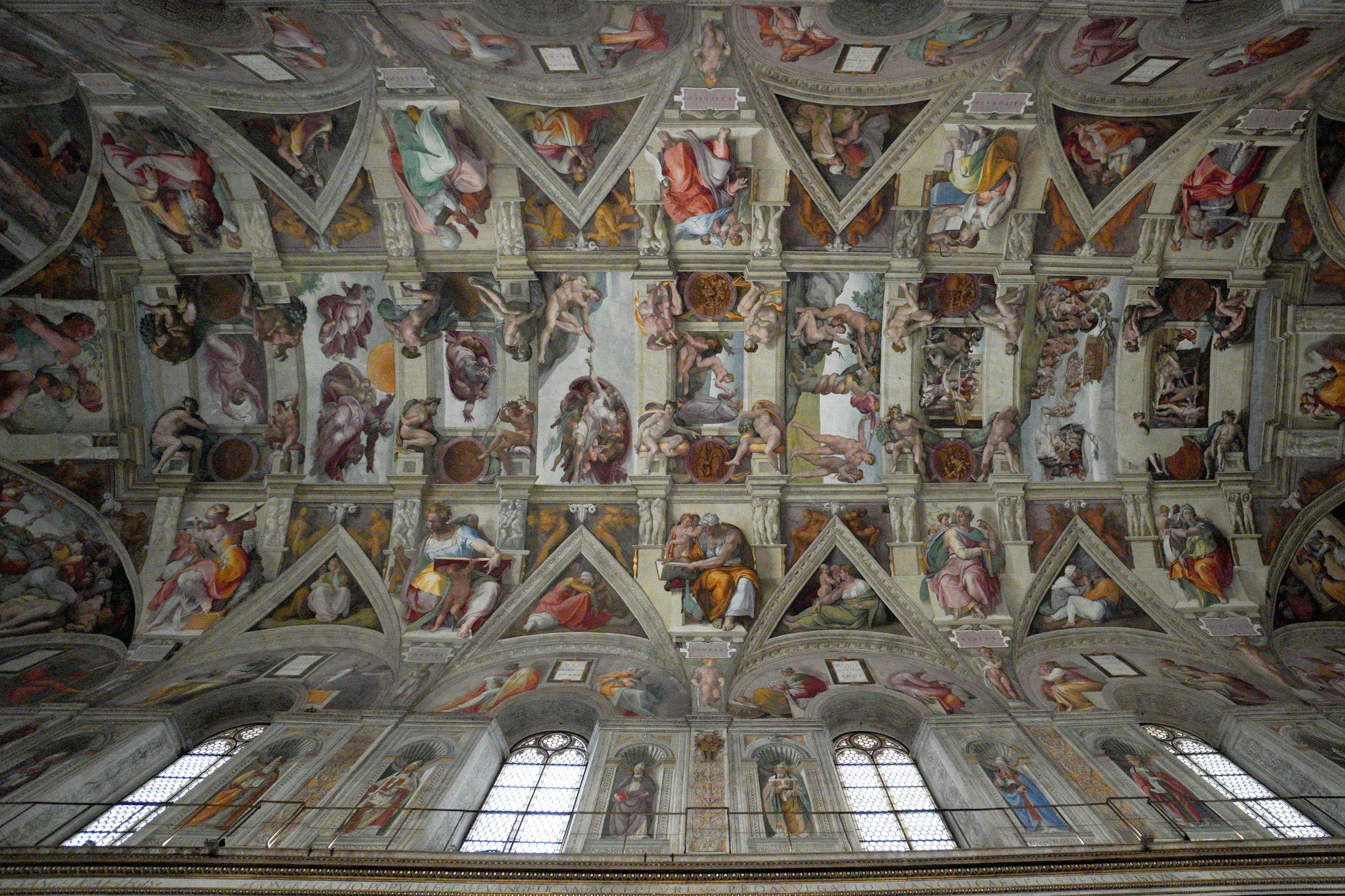
Standing beneath Michelangelo’s Sistine Chapel ceiling, visitors are often struck by a mixture of awe and humility as the immense frescoes seem to suspend time and compress the weight of human striving into colour and gesture; the vivid blues and sculptural figures—God and Adam reaching toward one another, prophets and sibyls brooding in monumental repose—evoke a profound sense of wonder at both divine narrative and human genius, while the labour of the artist and the scale of the undertaking inspire admiration and a quiet reverence that can verge on the spiritual, leaving many breathless, contemplative, and oddly intimate with the sublime drama overhead.
Commissioned by Pope Julius II, the story of its creation has filled many books. It is a fascinating narrative of the significance of the work in establishing the role of the Church in a period of very tumultuous relations between Italian city-states and countries looking to influence the politics on the peninsula. Read more.
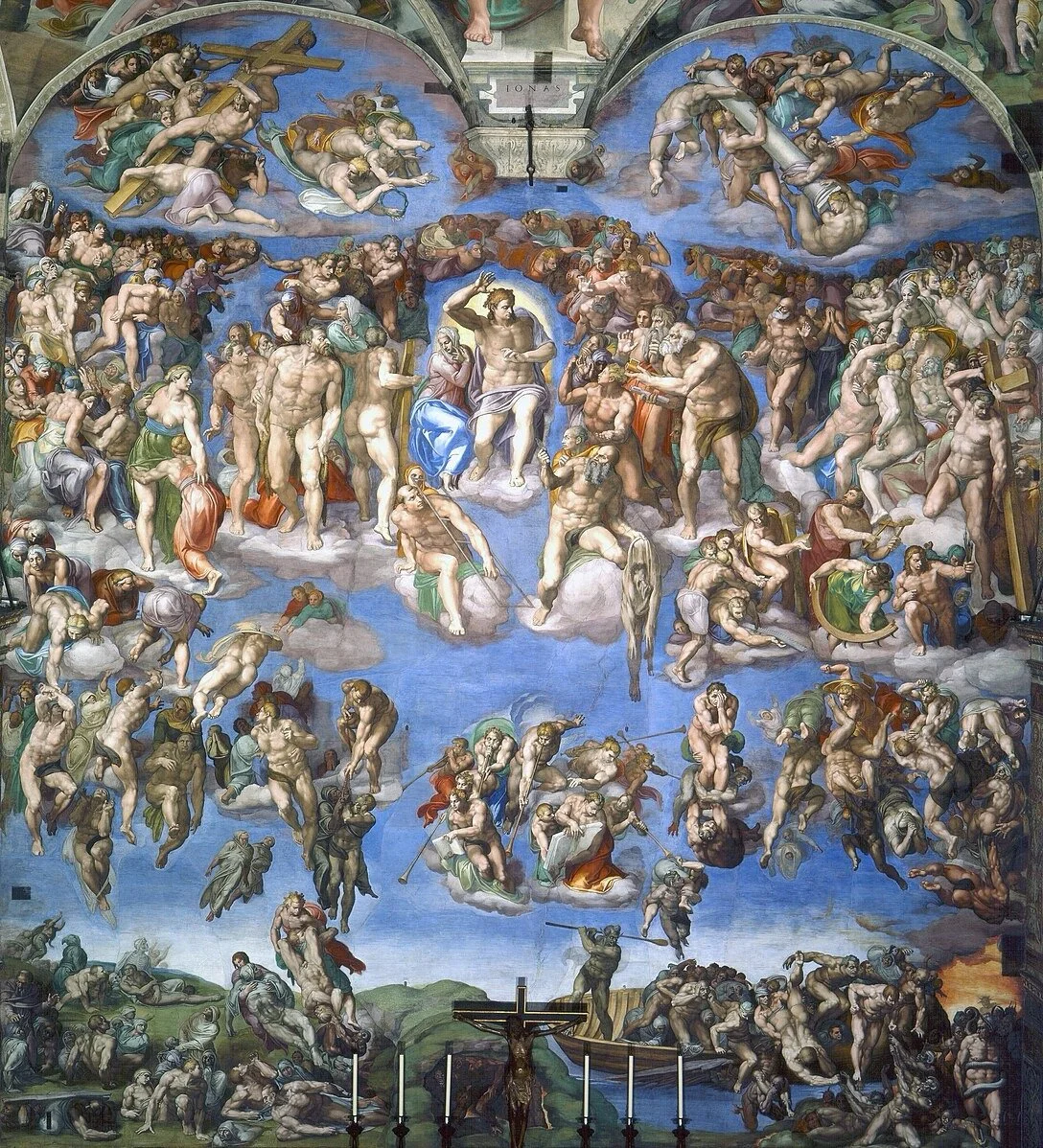
The Last Judgment (1536–1541)
Located on the altar wall of the Sistine Chapel, this vast fresco portrays the Second Coming of Christ and the final judgment of souls. It is noted for its dramatic composition, powerful figures, and intense emotional expression, reflecting the turbulence of the period.
Soon after Pope Clement VII died, his successor Paul III, keen to reinforce papal prestige amid the fracturing Church, commissioned Michelangelo to paint The Last Judgement on the altar wall of the Sistine Chapel.
Legend has it that when the artist first unveiled his sketch, some cardinals were scandalised by the muscular, nude figures and demanded alterations, prompting heated exchanges between Michelangelo and his critics — the painter, fiercely protective of his artistic vision, is said to have retorted that art must serve truth, not prudery, and many of the controversial details remained until later, quieter hands were asked to temper certain elements after his death.
In the fresco, Michelangelo painted a self-portrait represented by the flayed flesh of Saint Bartholomew.
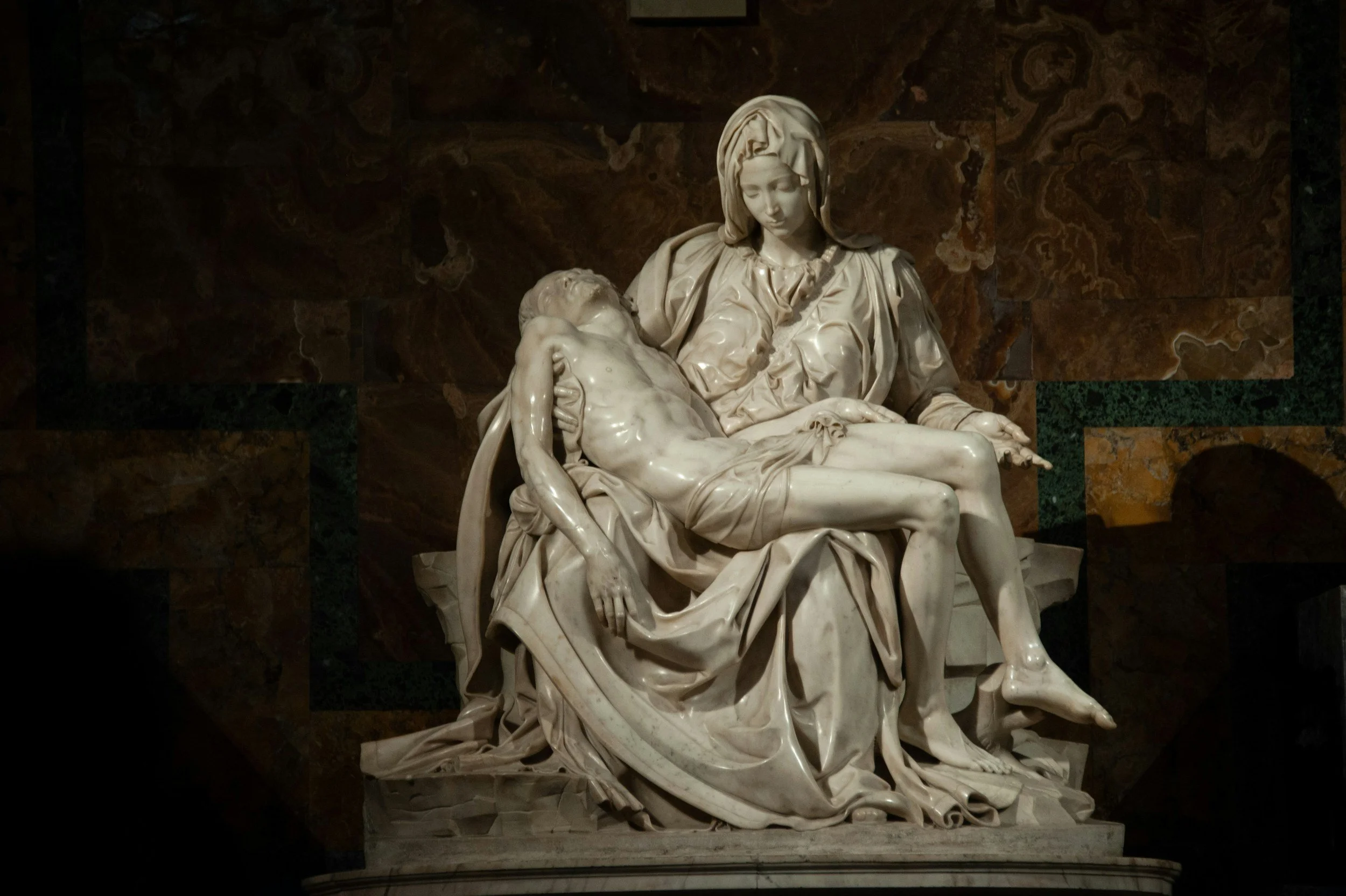
Pietà (1498–1499)
This marble sculpture in St. Peter’s Basilica, Vatican City, depicts the Virgin Mary holding the dead body of Jesus Christ. The work is admired for its exquisite detail, soft yet powerful depiction of grief, and harmonious composition, showcasing Michelangelo’s skill in rendering human emotion.
Michelangelo’s Pietà in St. Peter’s Basilica is unique among his works because it is the only piece he ever signed; the inscription “MICHAEL ANGELUS BONAROTUS FLORENTINUS FACIEBAT” was discreetly carved across Mary’s sash after he overheard a gentleman in the chapel attribute the sculpture to another artist. Offended, Michelangelo returned at night and, with a steady hand, cut the signature into the marble so that future viewers would know its true authorship. The act is striking both for its subtlety and for what it reveals about the young sculptor’s pride: though his works were admired, he felt compelled to claim credit directly on the masterpiece, and thereafter never signed another work.