
Artists
-
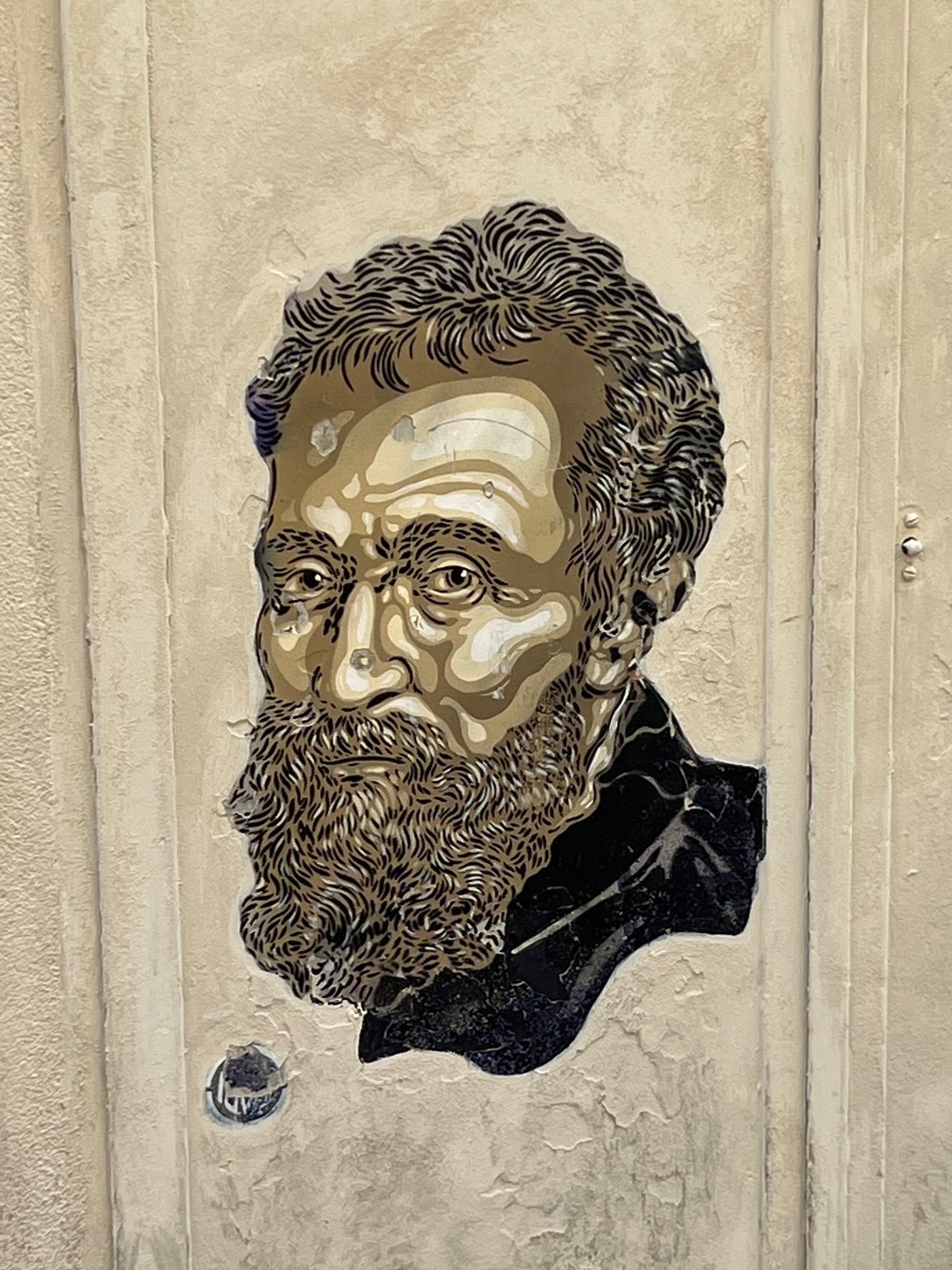
Michelangelo Buonarroti
Michelangelo Buonarroti (1475–1564) was an Italian sculptor, painter, architect, and poet, whose work epitomizes the artistic achievements of the High Renaissance. His innovative use of human anatomy, emotion, and perspective set new standards in art, shaping Western artistic tradition for centuries.
-
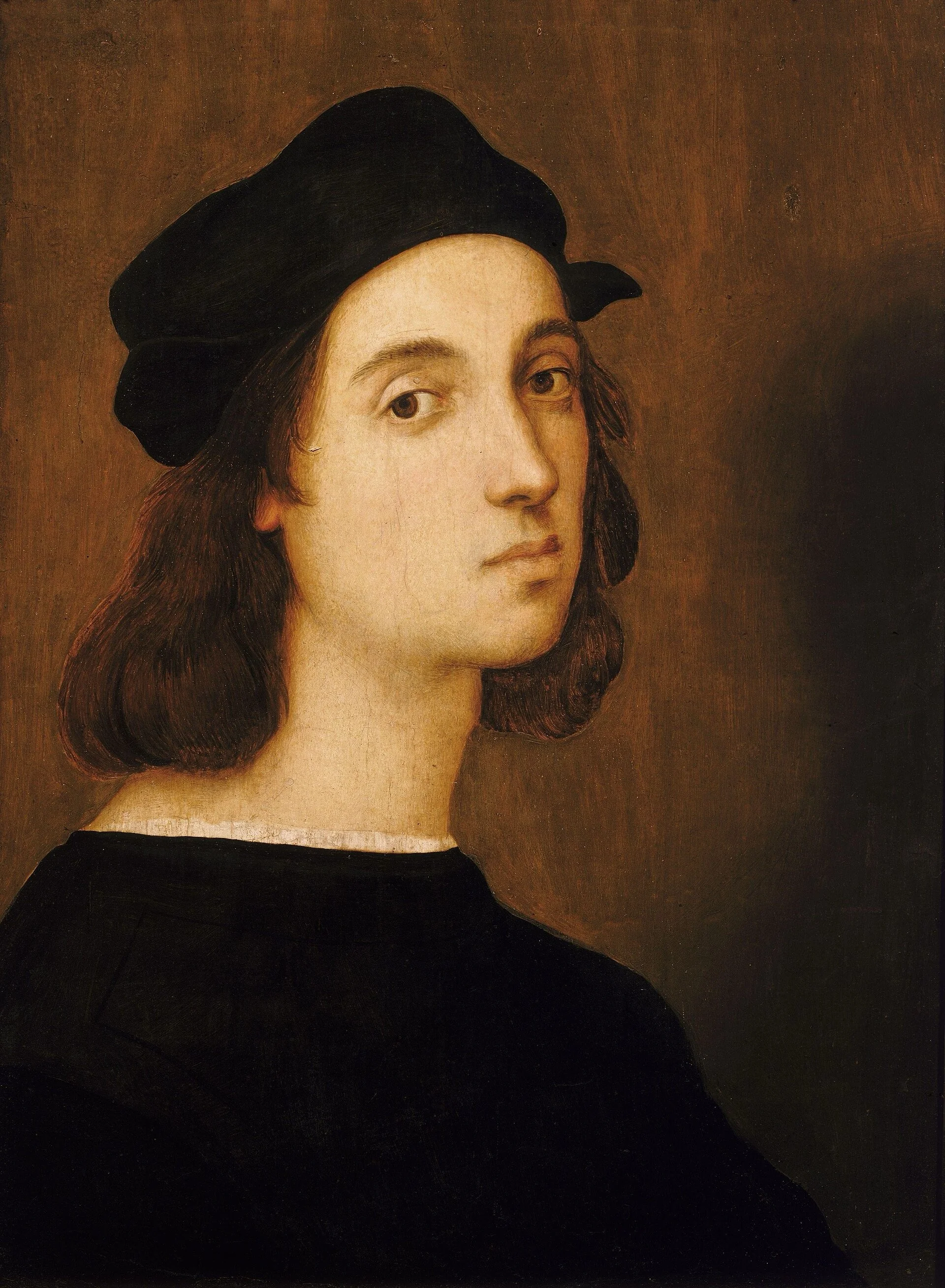
Raffaello Sanzio da Urbino
Raphael (1483–1520) was an Italian painter and architect. Born in Urbino, he quickly gained renown for his works in Rome. His legacy extends beyond painting, as he contributed significantly to the development of Renaissance architecture.
-
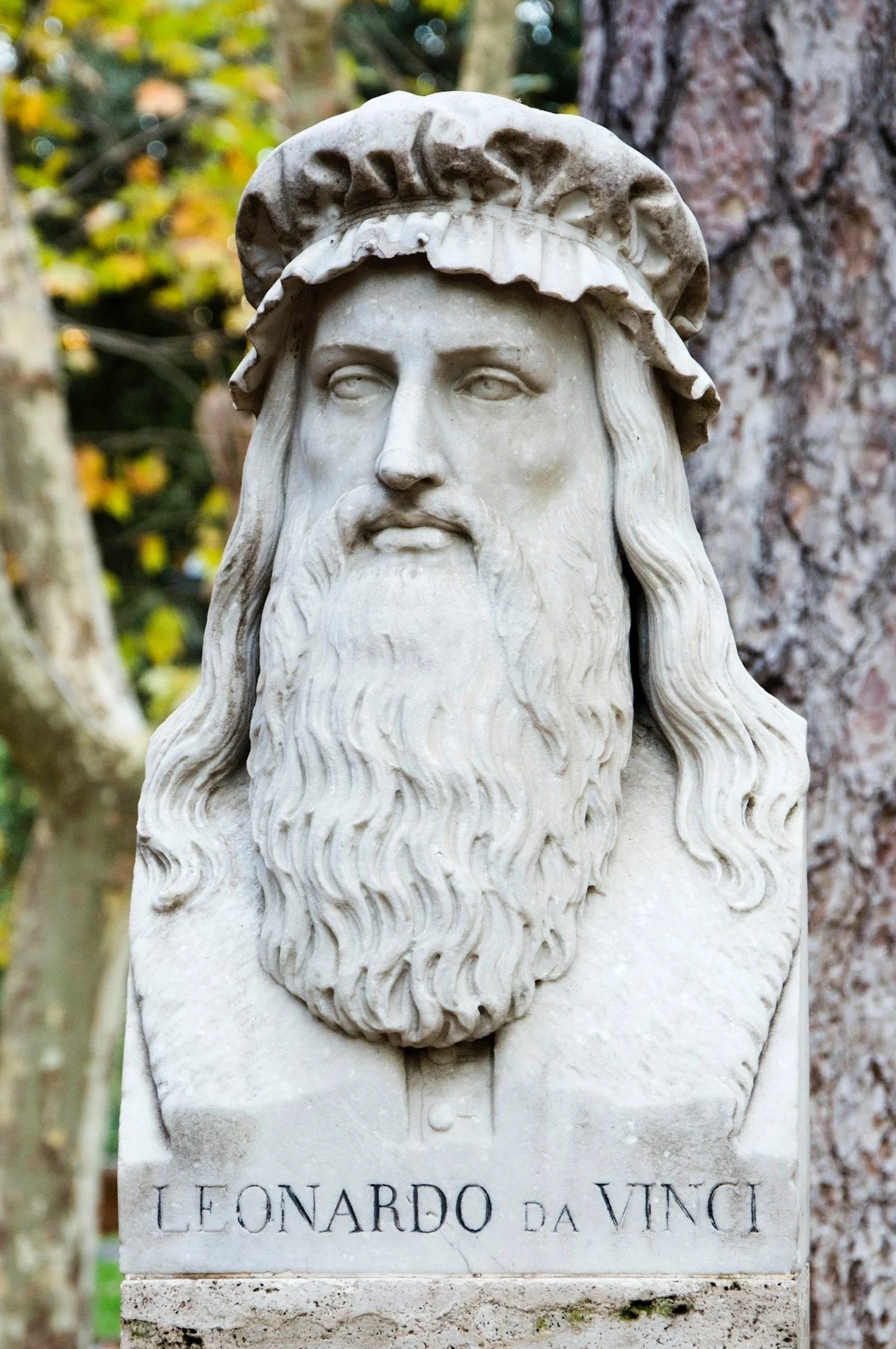
Leonardo da Vinci
Leonardo da Vinci (1452–1519) was an Italian polymath whose expertise spanned painting, sculpture, architecture, science, engineering, anatomy, and invention. His name is synonymous with the Renaissance ideal of the "universal man." Da Vinci's detailed notebooks reveal innovative concepts in flight, hydraulics, and anatomy, many centuries ahead of their time.
-
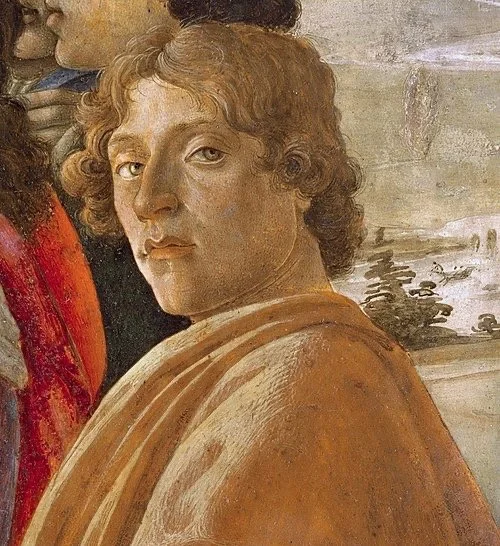
Sando Botticelli
Sandro Botticelli (c. 1445–1510) was an Italian painter of the Early Renaissance, renowned for his graceful figures and use of mythological themes. His contribution helped bridge Gothic traditions and the emerging naturalism of the Renaissance, leaving a lasting impact on the history of art.
-
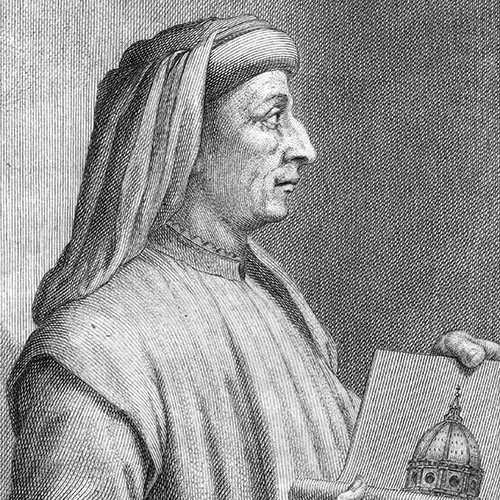
Filippo Brunelleschi
Filippo Brunelleschi (1377–1446) was an Italian architect, engineer, and sculptor, celebrated as one of the founding figures of Renaissance architecture. Born in Florence, he is best known for engineering the dome of the Florence Cathedral - the Duomo - a groundbreaking feat in structural design.
-
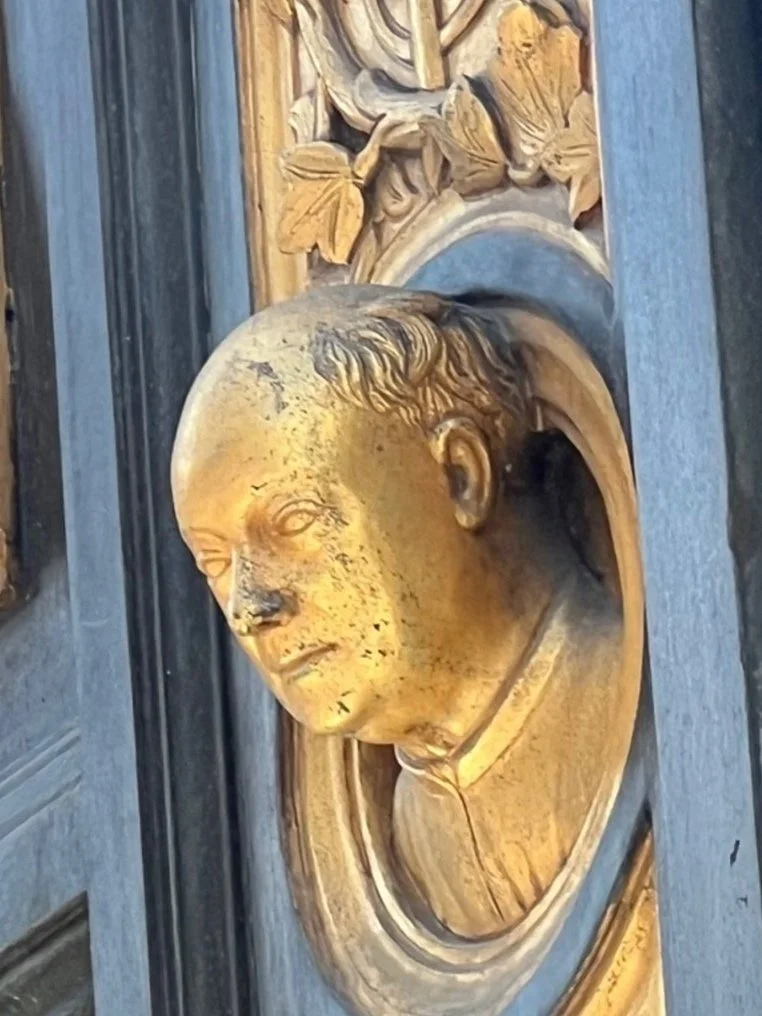
Lorenzo Ghiberti
Lorenzo Ghiberti (1378–1455) was an influential Italian sculptor and metalworker of the early Renaissance, renowned for his mastery in bronze reliefs. Best known for creating the ornate "Gates of Paradise," the bronze doors of the Florence Baptistery,
-
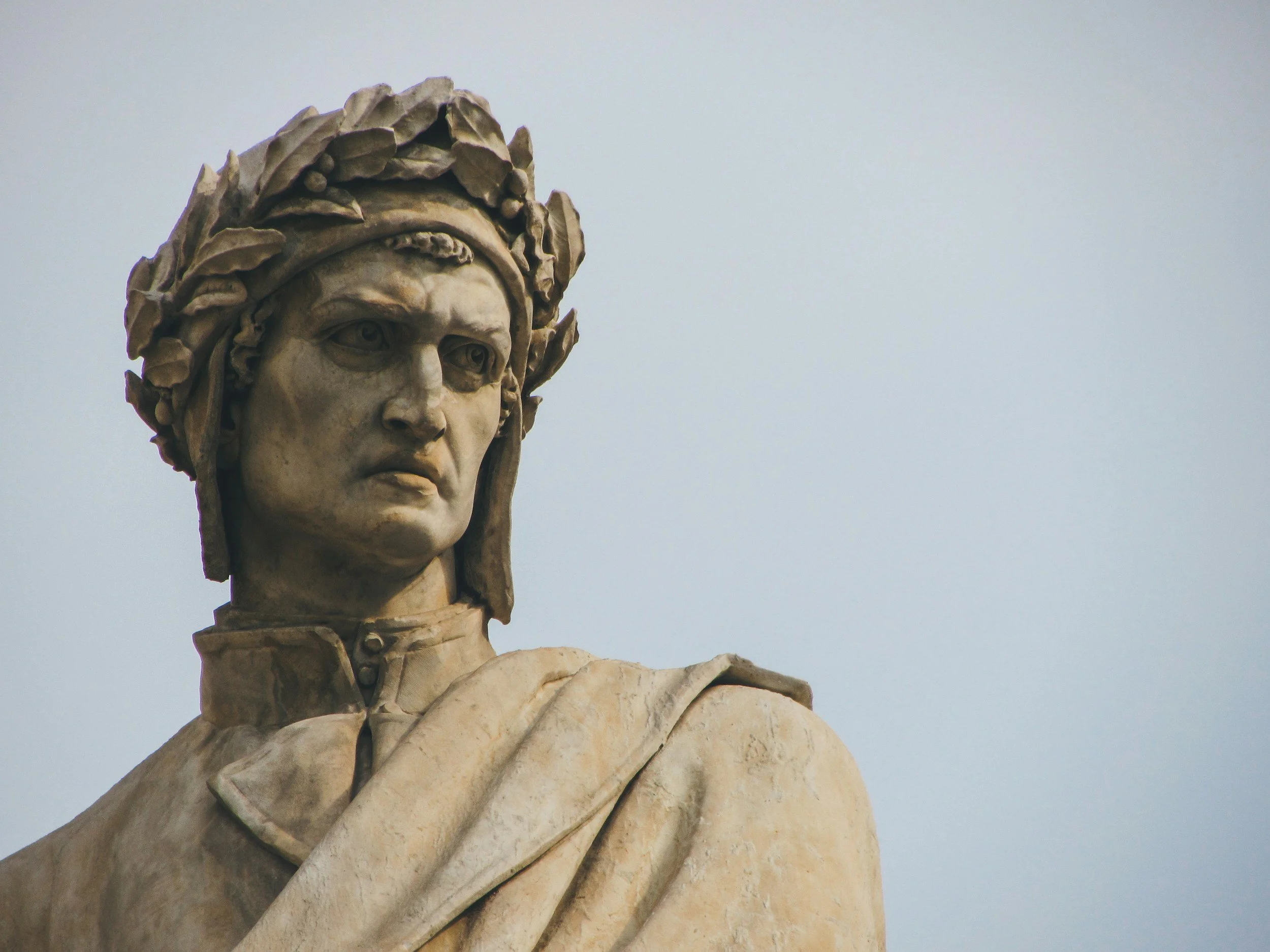
Dante Alighieri
Dante Alighieri (1265–1321) was an Italian poet, writer, and philosopher, best known for his epic poem The Divine Comedy. The poem explores themes of morality, salvation, and human nature through the allegorical journey of the soul in the realms of Hell, Purgatory, and Paradise. Dante’s contributions to the Renaissance extend beyond poetry, encompassing political thought and philosophy that influenced the artists of the era.
-
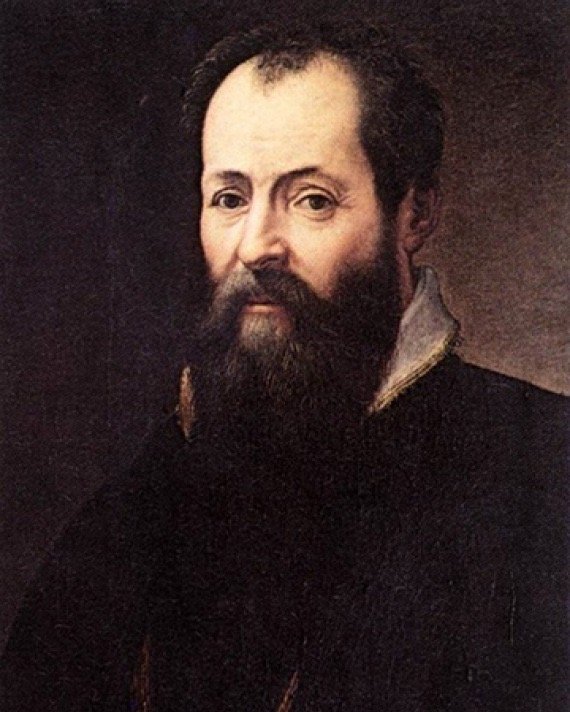
Giorgio Vasari
Giorgio Vasari (1511–1574) was an Italian painter, architect, and writer, known for his key role in Renaissance art history. Born in Arezzo, he authored "Lives of the Most Excellent Painters, Sculptors, and Architects," the first major biography of Renaissance artists. Vasari also contributed to projects like Florence's Uffizi Gallery. His work deeply influenced the appreciation of Renaissance art and culture.
-
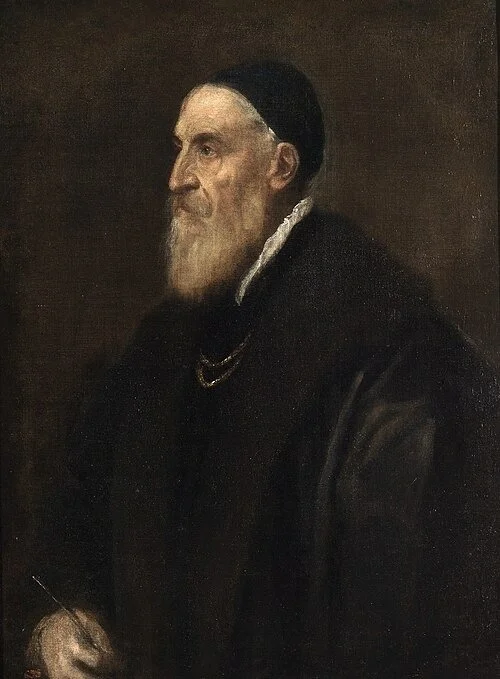
Titian
Tiziano Vecellio (Titian) (c. 1488/90–1576) was a leading Italian painter of the Venetian school whose innovative use of color, loose brushwork, and mastery of oil techniques transformed Renaissance art. Renowned for portraits, mythological and religious compositions, and large-scale altarpieces, Titian combined psychological insight with luminous color harmonies. He shaped the future of Western painting and maintained artistic influence well into the Baroque era.